







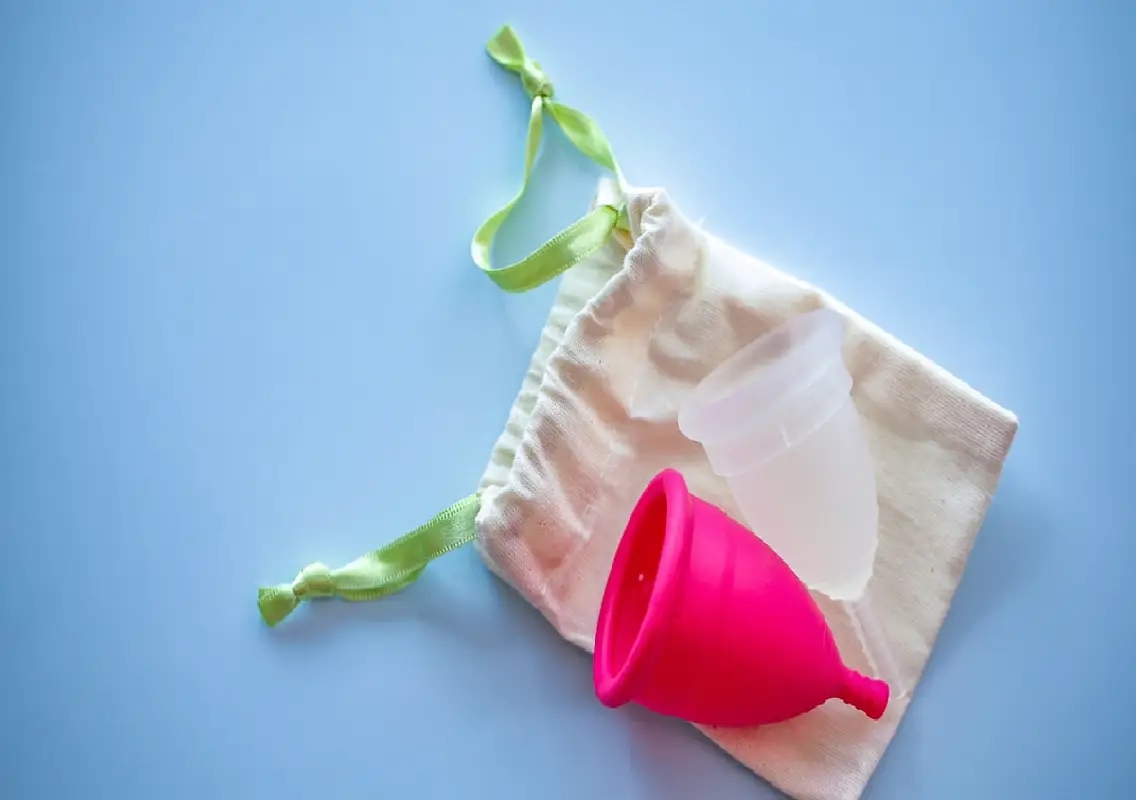


Bengaluru: In a significant policy shift aimed at promoting sustainable menstrual hygiene and reducing school absenteeism among adolescent girls, the Karnataka Department of Health and Family Welfare has announced the statewide expansion of its pilot project to supply menstrual cups to school and college students. The move is expected to not only improve access to long-term menstrual hygiene solutions but also substantially reduce the government’s recurring expenditure on sanitary napkins.
According to a revised government order issued on January 7, the department will distribute 10,38,912 menstrual cups across Karnataka at a total cost exceeding ₹61 crore. The procurement and supply will be managed by the Karnataka State Medical Supplies Corporation Limited (KSMSCL) under the umbrella of the Swachh Bharat Abhiyaan.
Shift from disposable napkins to sustainable alternatives
The expansion of menstrual cup distribution marks a notable departure from the state’s long-standing dependence on disposable sanitary napkins under the Shuchi scheme. Under this programme, the Karnataka government has been spending approximately ₹71 crore annually to supply around 2,35,74,084 sanitary napkins to students.
With the introduction of menstrual cups, officials estimate a saving of nearly ₹10 crore in government expenditure. Unlike disposable napkins, menstrual cups can be reused for several years, making them a cost-effective and environmentally friendly alternative.
Health department officials emphasised that the decision was taken after assessing the long-term financial and ecological benefits, along with feedback from pilot implementations in select areas.
Transition plan for the current academic year
As per the revised order, the department will continue supplying sanitary napkins for the remaining three months of the current academic year to ensure there is no disruption in menstrual hygiene support. From the next academic year onwards, each eligible beneficiary will receive one menstrual cup, which is expected to meet their menstrual hygiene needs for several years with proper use and care.
Officials clarified that training and awareness programmes will accompany the distribution to ensure students are comfortable using menstrual cups and understand hygiene and safety practices.
Addressing absenteeism among adolescent girls
The urgency of reforming the existing system gained prominence in December 2025, when reports highlighted that adolescent girls in several government schools were missing classes due to inadequate supply of sanitary napkins under the Shuchi kits. The issue triggered widespread concern among parents, educators and activists.
The matter was subsequently raised during the winter session of the Karnataka Legislative Assembly in Belagavi, where Health Minister Dinesh Gundu Rao assured legislators that corrective steps would be taken to address both supply gaps and long-term sustainability.
“Providing menstrual cups will ensure sustainable menstrual hygiene for students and significantly reduce absenteeism in schools,” a senior health department official said. “It also helps the government rationalise costs while offering a reliable, long-term solution to beneficiaries.”
Health, environmental and economic benefits
Medical experts point out that menstrual cups, when used correctly, are safe and hygienic. They reduce the risk of skin irritation and infections often associated with prolonged use of disposable napkins. From an environmental perspective, the shift is expected to drastically cut down non-biodegradable waste generated by discarded sanitary products, which pose a major challenge for municipal waste management systems.
Economically, the one-time distribution model lowers recurring procurement and logistics costs, freeing up public funds that can be redirected towards other healthcare and education initiatives.
Implementation and awareness challenges
While the policy has been widely welcomed, officials acknowledge that successful implementation will depend on effective awareness campaigns. Cultural taboos, lack of familiarity, and hesitation among first-time users remain challenges in promoting menstrual cups, especially in rural and semi-urban areas.
To address this, the department plans to collaborate with school teachers, healthcare workers and community volunteers to conduct orientation sessions, demonstrations and counselling for students and parents.
Conclusion
The Karnataka government’s decision to expand the supply of menstrual cups to school and college students represents a progressive step towards sustainable menstrual hygiene management. By combining cost efficiency, environmental responsibility and improved health outcomes, the initiative has the potential to bring lasting benefits to lakhs of students across the state. If implemented effectively, it could also serve as a model for other states looking to modernise and rationalise their menstrual hygiene programmes.