







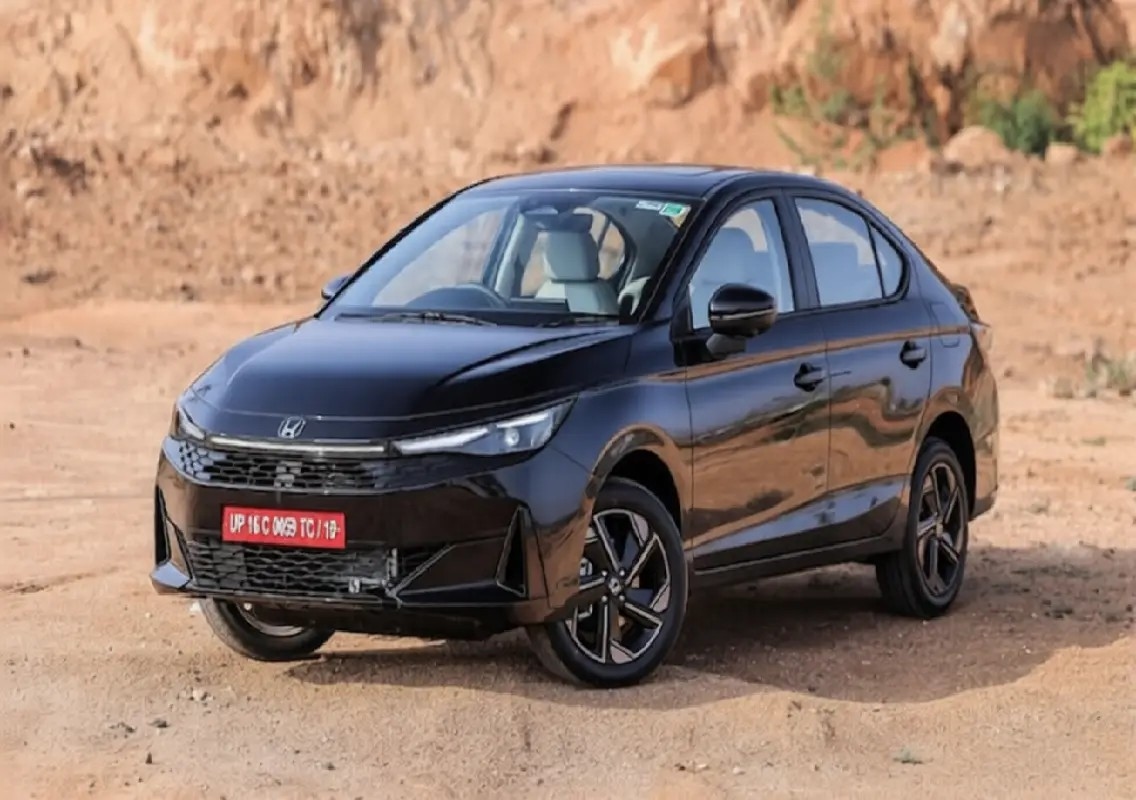


More than two decades after redefining the mid-size sedan segment in India, the Honda City continues to hold its ground despite the growing dominance of SUVs. With the launch of the latest facelift for the fifth-generation model, Honda has focused on refining the sedan’s strengths through updated styling, additional features and its proven hybrid technology, ensuring that the City remains relevant in a rapidly evolving automotive market.
The Honda City first arrived in India in the late 1990s and quickly established itself as a benchmark for premium sedans. Known for its reliability, comfort, refinement and engaging driving dynamics, the model became a preferred choice for buyers seeking an upscale ownership experience without entering the luxury car segment.
Updated styling enhances road presence
The latest facelift introduces several cosmetic updates aimed at giving the City a more contemporary appearance. The front fascia receives the most noticeable changes, including a redesigned grille, fresh honeycomb-pattern inserts and updated LED lighting elements.
A new two-piece daytime running light signature adds a sharper visual identity, while the revised front bumper and larger air intake provide a more sophisticated and premium look. Honda has also incorporated functional vertical air intakes that contribute to improved aerodynamic efficiency.
From the side, the overall silhouette remains unchanged, preserving the elegant proportions that have long defined the City. The primary update is the introduction of new 16-inch dual-tone alloy wheels.
At the rear, the sedan gets a revised bumper, smoked tail lamps and a larger diffuser-inspired insert. A new Honda emblem and the addition of a Black Crystal Pearl exterior colour option further enhance its premium appeal.
Cabin receives practical upgrades
Inside, Honda has focused on improving convenience and comfort rather than dramatically altering the design. The dashboard layout remains familiar, prioritising ergonomics and ease of use.
A major addition is the new 10.1-inch touchscreen infotainment system, which supports wireless Apple CarPlay and Android Auto connectivity. The system also introduces gesture-control functionality, although it may not be the most advanced interface available in the segment.
One of the most significant upgrades is the inclusion of ventilated front seats, a feature expected to be highly appreciated by Indian customers, especially in warmer climates. Honda has also added a 360-degree camera system to improve visibility and make parking easier in crowded urban environments.
The cabin receives subtle enhancements, including lighter seat upholstery and redesigned front headrests. Physical climate-control buttons remain intact, offering greater usability compared to competitors that increasingly rely on touchscreen-based controls.
Rear seat comfort remains a highlight
Rear-seat comfort has long been one of the Honda City’s strongest attributes, and the facelift continues that tradition. The sedan offers generous legroom, ample knee room and a comfortable seating position, making it particularly suitable for long-distance travel.
Rear passengers benefit from dedicated air-conditioning vents, USB Type-C charging ports and a centre armrest. While features such as rear sunshades and adjustable rear headrests could have further enhanced comfort, the City remains among the most accommodating sedans in its class.
The quality of materials and overall fit and finish continue to reflect Honda’s reputation for durability and long-term reliability.
Hybrid powertrain continues to impress
Mechanically, the City e:HEV hybrid remains unchanged. The hybrid system combines a 1.5-litre Atkinson-cycle petrol engine with two electric motors and a lithium-ion battery pack.
The setup produces a combined output of 126 bhp, while the electric motor alone delivers 253 Nm of torque. What stands out is the refinement of the system, with seamless transitions between electric and petrol power.
The hybrid spends a considerable amount of time operating in electric-only mode, particularly in city traffic, helping deliver impressive fuel efficiency. Honda claims a mileage figure of nearly 28 kmpl, making it one of the most fuel-efficient vehicles in its segment.
The conventional 1.5-litre naturally aspirated petrol engine also remains available with a six-speed manual transmission or a seven-step CVT automatic gearbox.
Balanced driving experience
The Honda City continues to offer a balanced driving experience focused on comfort, refinement and everyday usability. Steering remains light and easy to manoeuvre in city conditions while maintaining stability at higher speeds.
Ride quality is among the sedan’s strongest qualities. The suspension absorbs road imperfections effectively, ensuring a comfortable experience for both drivers and passengers.
While earlier generations of the City were known for their sporty character, the current model prioritises comfort and maturity. The chassis remains predictable and confidence-inspiring, but outright performance has taken a back seat to refinement and efficiency.
Honda’s ADAS suite, marketed as Honda Sensing, continues unchanged and includes features such as adaptive cruise control and lane-keeping assistance, which are well-calibrated and user-friendly.
City remains relevant despite SUV boom
With SUVs accounting for a majority of vehicle sales in India, sedans face increasing pressure in the market. However, the Honda City continues to carve out a niche by offering a combination of comfort, fuel efficiency, reliability and refinement that many buyers still value.
Priced between ₹12 lakh and ₹21 lakh (ex-showroom), the facelifted City sees a price increase of around ₹1 lakh for certain variants. Despite this, the updates and hybrid technology help justify the premium.
The latest facelift may not be revolutionary, but it successfully strengthens the qualities that have made the Honda City one of India’s most respected and enduring sedans. In an SUV-dominated era, the City remains a compelling choice for buyers seeking sophistication, practicality and long-term dependability.