









Seoul: Honda Motor Co. has announced that it will discontinue automobile sales operations in South Korea by the end of 2026, marking the end of over two decades in the market.
The company said the move is part of a broader global strategy to realign resources and focus on long-term competitiveness. Its local unit, Honda Korea Co., will cease car sales but continue to provide after-sales services, including maintenance, spare parts, and warranty support.
Weak sales behind strategic exit
While Honda cited “changes in the global and South Korean automobile market environment,” industry data indicates that declining sales played a major role in the decision.
The automaker reportedly sold fewer than 2,000 cars in South Korea in 2025, with monthly sales remaining minimal. In March 2026, Honda recorded just 84 units, highlighting the brand’s limited presence in the country.
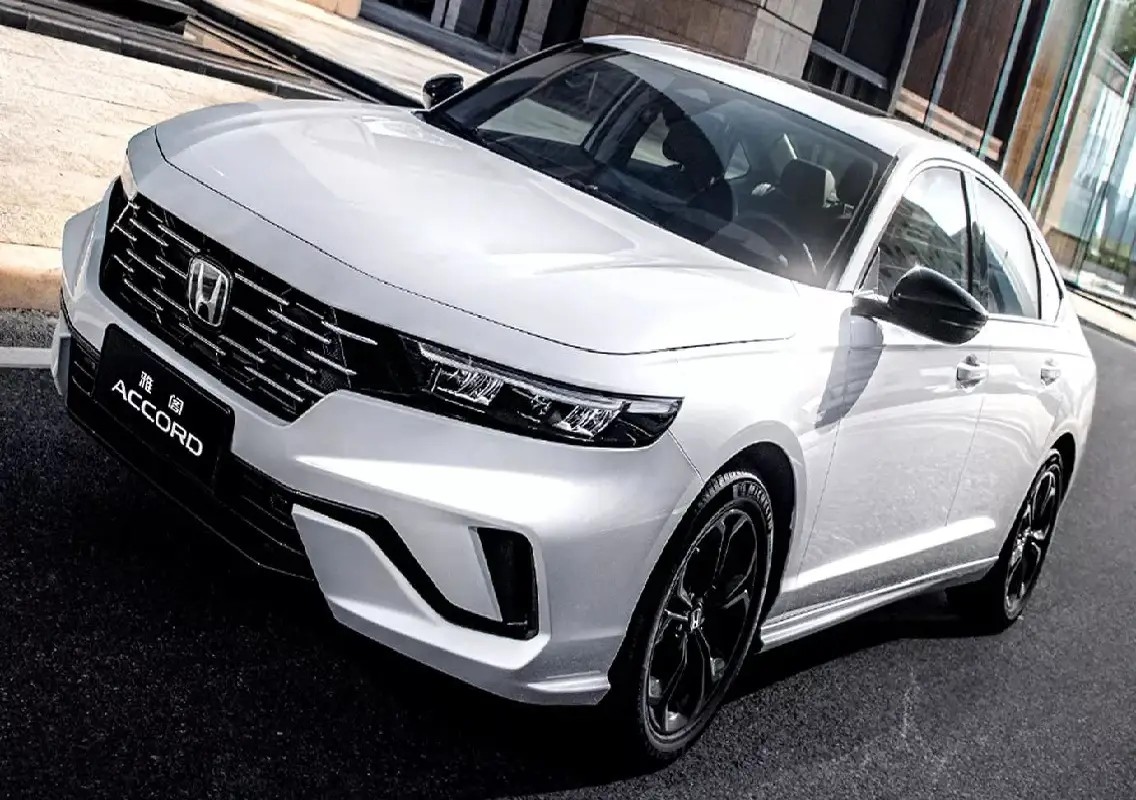
In contrast, models like the Honda Accord continue to perform strongly in larger markets such as the United States, where over 13,000 units were sold in a single month.
Tough competition in local market
South Korea’s automotive sector is highly competitive, dominated by domestic giants like Hyundai Motor Company and Kia Corporation.
In the imported car segment, global brands such as BMW, Mercedes-Benz, and Tesla command significantly higher sales volumes.
Although Honda managed to outperform niche brands like Cadillac, Peugeot, and Lincoln in some periods, its overall market share remained marginal.
Over two decades in South Korea
Honda entered the South Korean market in 2004, offering models such as the Accord sedan and CR-V SUV. Despite maintaining a presence for over 20 years, the company struggled to scale its operations in a market characterised by strong domestic loyalty and intense competition.
The decision to exit underscores the difficulty foreign automakers often face in establishing a sustainable foothold in South Korea.
Support for existing customers assured
Honda has clarified that the exit from car sales will not affect existing customers. The company will continue to provide after-sales services, ensuring access to repairs, maintenance, and spare parts.
This approach is aimed at maintaining customer confidence and avoiding disruption for current vehicle owners.
Shift in focus to motorcycles
Even as it exits the passenger car segment, Honda will continue its two-wheeler business in South Korea. The company plans to strengthen its motorcycle portfolio, focusing on segments where it has stronger demand and brand recognition.
This shift indicates a strategic pivot towards more viable business areas within the market.
Conclusion
Honda’s decision to exit car sales in South Korea reflects broader trends in the global automotive industry, where companies are increasingly prioritising markets with higher growth potential and profitability. As competition intensifies and consumer preferences evolve, automakers are becoming more selective about where they invest and operate.