







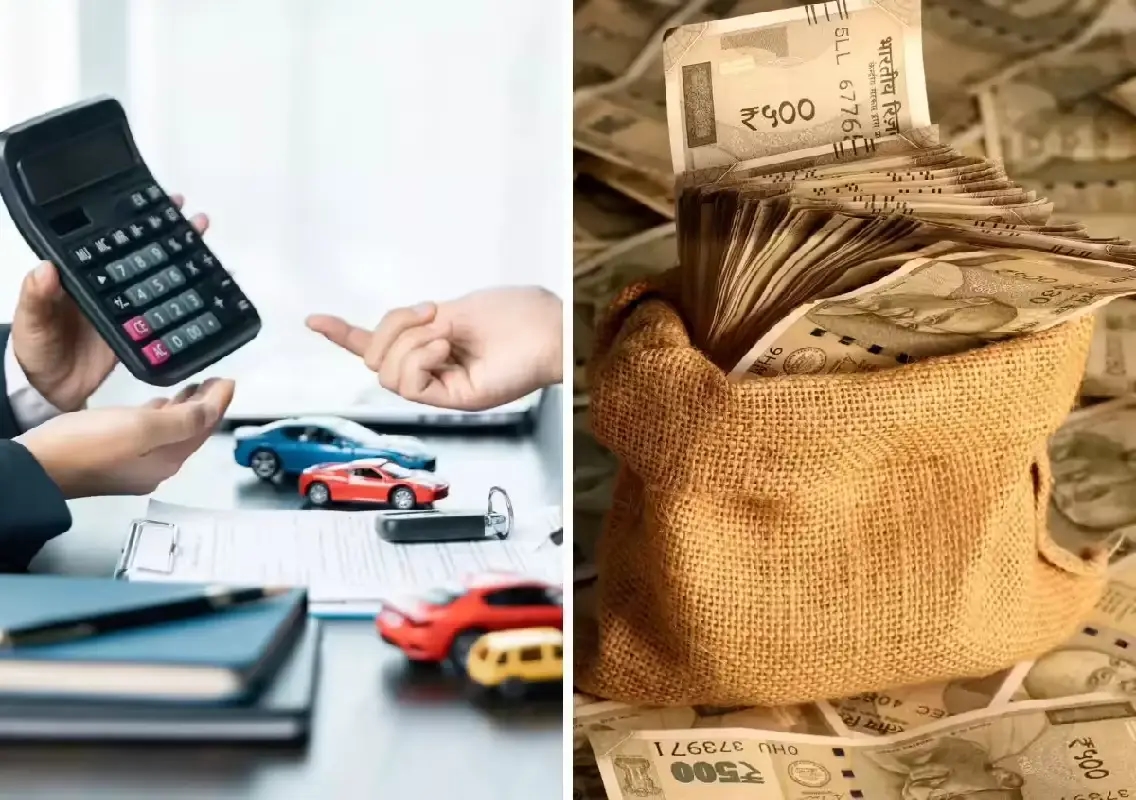


Buying a car is often seen as a major one-time expense, but financial experts say the way buyers structure the payment can significantly impact long-term wealth. A Bengaluru-based chartered accountant has sparked discussion online after explaining why financing a car while investing savings may be a smarter financial strategy.
Chartered accountant Meenal Goel recently shared insights on how buyers can manage their finances better when purchasing a car worth around ₹16 lakh, especially if they already have the full amount in their savings account.
Car is a depreciating asset
According to Goel, a car is a classic example of a depreciating asset, meaning its value starts declining the moment it leaves the showroom.
She explained that vehicles typically lose 10–15 per cent of their value immediately after purchase, and continue to depreciate in the following years.
Because of this, putting the entire ₹16 lakh from savings into a car purchase may not be the most financially efficient decision.
The concept of asset depreciation is widely discussed in financial planning and investment strategy. More about this can be explored here:
Depreciation.
Suggested strategy: part payment and investment
Instead of paying the full amount upfront, Goel suggested a balanced financial approach.
Her recommended structure includes:
- Paying 20–30 per cent as a down payment
- Financing the remaining amount through a car loan
- Investing the remaining ₹10–12 lakh rather than leaving it idle in a bank account
She pointed out that savings accounts generally offer 2–3 per cent annual returns, which barely keep up with inflation.
On the other hand, diversified investments such as equities, mutual funds, gold and silver have historically provided higher long-term returns.
Power of compounding over time
If a person invests around ₹10 lakh instead of spending the full amount on the car, the money could grow significantly through compounding.
Financial planners often note that equity-based investments have historically delivered around 11–13 per cent average annual returns over long periods.
At that rate, ₹10 lakh could potentially grow to around ₹22 lakh in seven years, according to the example cited in the discussion.
This approach allows individuals to enjoy the benefits of owning a car while allowing their remaining funds to grow.
Online users discuss financial flexibility
The discussion triggered responses from many online users who shared their perspectives on financial planning.
Some highlighted that liquidity is crucial, noting that locking a large amount of money into a depreciating asset can limit financial flexibility during emergencies.
Others pointed out that while people often try to avoid paying interest on car loans, they rarely consider the investment opportunities they miss by not investing their savings.
Financial experts say the key lies in disciplined investing and responsible borrowing. When balanced correctly, this strategy can help individuals enjoy lifestyle purchases while still building long-term wealth.