







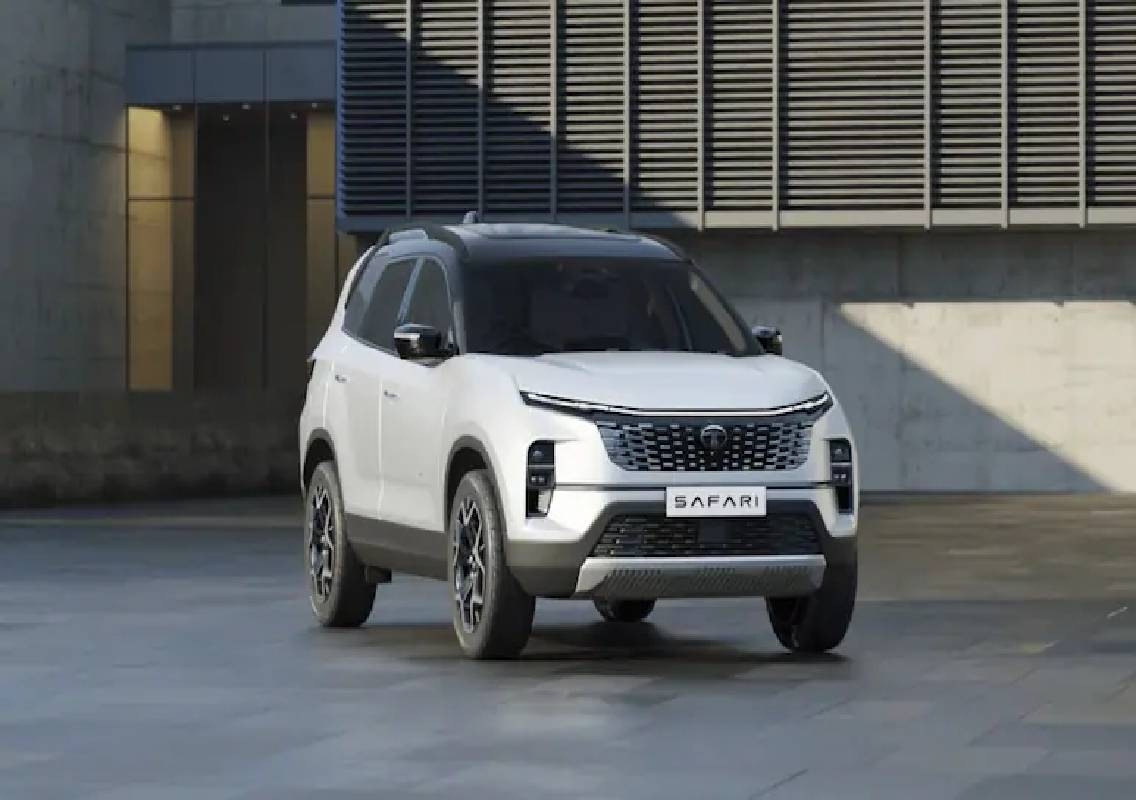


New Delhi: Tata Motors Passenger Vehicles will increase prices across its car and SUV range by up to Rs 25,000 from September 1, 2026. The price revision will apply to both internal combustion engine (ICE) vehicles and electric vehicles (EVs), with the exact increase varying by model and variant.
The automaker said the latest price adjustment is aimed at partially offsetting the impact of rising input costs and sustained inflationary pressures. Tata Motors said it continues to absorb a significant portion of the cost increases, while passing on part of the impact to customers.
Tata Motors price hike from September 1
The new prices will take effect from September 1, meaning customers planning to purchase a Tata car or SUV before the price revision could potentially avoid the additional cost, depending on the model and applicable dealer pricing.
Importantly, the Rs 25,000 figure is the maximum increase, not a flat hike across Tata Motors’ entire portfolio. The company has not announced a model-wise breakdown of the revised prices yet.
This means the actual increase could be lower for several models and variants.
Both petrol and electric cars affected
The latest revision covers Tata Motors’ entire passenger vehicle portfolio, including ICE-powered cars and electric vehicles.
This means buyers considering models across Tata’s hatchback, sedan and SUV range could see revised prices from September.
The company’s EV portfolio will also be affected, making the announcement relevant to customers considering electric models as well as conventional petrol, diesel and other powertrain options.
Rising input costs behind the decision
Tata Motors has attributed the price increase primarily to continued pressure on input costs and inflation.
Automakers use a wide range of commodities and components in vehicle manufacturing, including steel, aluminium, plastics, electronic components and other materials. Changes in these costs can put pressure on manufacturers’ margins.
Tata Motors said it has been absorbing a significant portion of these increases but will now pass on some of the additional cost to customers through the September revision.
Tata has already increased prices this year
The September hike is not Tata Motors’ first price revision in 2026.
The company had already increased prices earlier this year, including a up to 1.5% increase from July 1 across its passenger vehicle portfolio. That revision also covered both ICE and electric models.
The latest increase therefore comes only around two months after the previous broad price revision.
Industry reports indicate that the repeated increases reflect continued cost pressures facing automobile manufacturers.
Other carmakers have also raised prices
Tata Motors is not alone in announcing higher vehicle prices.
Maruti Suzuki and Hyundai Motor India have also announced price revisions around the same period.
Hyundai said it would increase prices by up to 1% from September, with the exact adjustment varying across models and variants.
The broader trend suggests that manufacturers are attempting to balance rising costs with the need to maintain profitability while limiting the impact on consumers.
What it means for Tata car buyers
For customers planning to buy a Tata vehicle, the September 1 deadline is significant.
A buyer whose chosen model receives the maximum Rs 25,000 increase could save that amount by purchasing before the revised prices come into effect, although the final benefit will depend on the vehicle, variant, dealer offer and delivery terms.
Customers should also compare the price revision with ongoing discounts and promotional offers.
Tata Motors has been offering several benefits on selected vehicles during August, including cash discounts, exchange bonuses, loyalty benefits and other promotional schemes. Some MY2025 Tata Curvv EV units have been available with benefits exceeding Rs 3.5 lakh, according to recent reports.
Discounts could offset part of the increase
The upcoming price hike does not necessarily mean every customer will pay significantly more after September 1.
Dealership-level discounts and manufacturer offers can vary by model, variant, stock and manufacturing year.
For customers purchasing an older model-year vehicle, available discounts could potentially offset some or all of the price increase.
However, buyers should compare the final on-road price rather than looking only at the ex-showroom price.
Insurance, registration charges, accessories, financing costs and other expenses can also affect the final amount paid.
Sanand plant operations restored
The price announcement comes as Tata Motors also deals with operational developments at its manufacturing facilities.
Operations at the company’s Sanand plant in Gujarat have been restored after flooding disrupted production, with the company estimating the damage at around Rs 35 crore to Rs 40 crore.
Production of models including the Tiago, Tigor, Nexon and Sierra was affected by the flooding.
The company said necessary steps had been taken to restore normal operations and that the disruption was not expected to have a material impact on its overall operations or financials.
Tata Motors faces softer passenger vehicle demand
The price hike also comes at a time when the Indian passenger vehicle market is facing changing demand conditions.
Tata Motors sold 45,199 passenger vehicles in India in July, compared with 50,701 units during the same month a year earlier, representing an annual decline of around 11%.
Against this backdrop, raising prices can be a delicate balancing act.
Higher prices can help manufacturers protect margins against cost inflation, but they can also influence buying decisions in a competitive market.
Competition remains intense
Tata Motors competes across several highly competitive segments.
The company’s SUVs, including the Nexon, Punch, Harrier and Safari, face competition from models offered by Maruti Suzuki, Hyundai, Mahindra, Kia and other manufacturers.
Its EVs also compete in a market where consumers are increasingly comparing not just purchase prices but also running costs, range, charging infrastructure and available incentives.
Any price increase therefore needs to be weighed against the overall value proposition of each model.
Exact model-wise hike yet to be announced
Tata Motors has confirmed the maximum increase but has not disclosed the exact amount applicable to each model and variant.
Therefore, customers should not assume that their chosen Tata car will become Rs 25,000 more expensive.
The actual increase will depend on the individual model and variant, with the company expected to provide further details closer to the implementation date.
Until then, buyers should check the latest price list with authorised dealers before making a purchase decision.
Should you buy a Tata car before September 1?
Customers already planning to purchase a Tata vehicle may consider completing the purchase before the revised prices take effect, particularly if the dealer is offering attractive discounts on the desired variant.
However, buyers should not rush solely because of the Rs 25,000 headline figure.
The actual price increase may be lower, and discounts available on specific vehicles could make a bigger difference to the final transaction price.
It is therefore important to compare the current effective price, September price and available discounts before deciding.
Conclusion
Tata Motors Passenger Vehicles will increase prices across its ICE and electric vehicle portfolio by up to Rs 25,000 from September 1, 2026. The hike will vary depending on the model and variant and is being introduced to partially offset rising input costs and sustained inflationary pressures.
The announcement comes after Tata Motors’ earlier price revision in July and follows similar moves by other major automakers, including Maruti Suzuki and Hyundai.
For buyers planning to purchase a Tata car soon, the most important point is that Rs 25,000 is the maximum increase, not a uniform hike across every model. Customers should compare the current price with the revised September price and factor in available discounts before making a final decision.