









Mumbai: Tata Motors has unveiled an ambitious growth strategy for its passenger vehicle business, outlining plans to significantly expand its product portfolio and manufacturing capacity over the next five years.
As part of its long-term roadmap, the company aims to increase its passenger vehicle lineup from the current nine models to 15 by the financial year 2030-31 (FY31), supported by a series of new launches, model updates and technological upgrades.
The strategy was detailed during the company’s investor day presentation, where Tata Motors highlighted its plans to strengthen its position in both conventional and electric vehicle segments.
More than 20 product interventions planned
Tata Motors said it is preparing more than 20 product interventions through the decade, including six all-new nameplates.
The interventions will include model refreshes, new derivatives, technology enhancements and powertrain upgrades aimed at catering to a broader range of customer preferences and entering new market segments.
The company believes that the expanded portfolio will strengthen its presence in existing categories while creating opportunities in emerging segments of the passenger vehicle market.
According to Tata Motors, the product offensive will substantially increase its addressable market and offer customers greater choice across different body styles and propulsion technologies.
New models in the pipeline
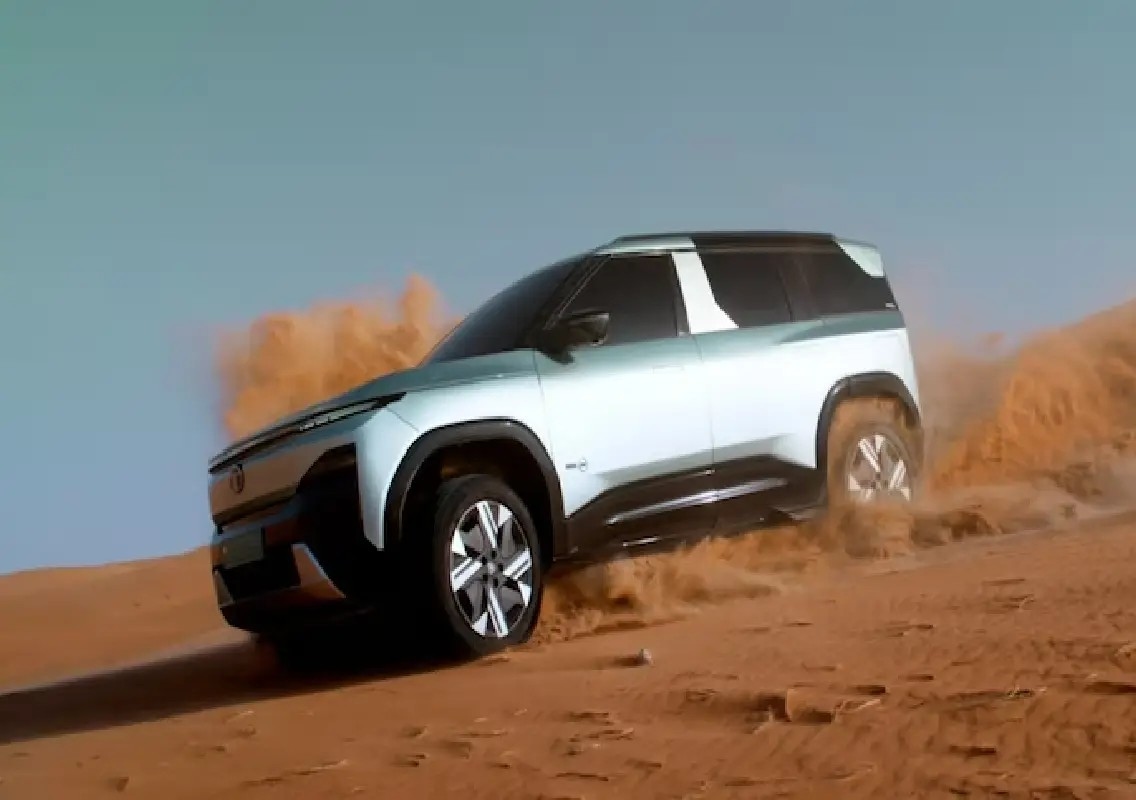
Among the key products lined up for launch is the Tata Sierra.ev, which is scheduled to make its debut on June 30.
The company is also preparing to introduce the all-electric Tata Safari.ev during the festive season.
Additionally, Tata Motors is gearing up to launch its next-generation Tata Avinya range of electric vehicles, with the first model expected either later this year or early next year.
The upcoming launches underline the company’s commitment to expanding its electric mobility portfolio while continuing to strengthen its presence in the mainstream passenger vehicle market.
Electrification remains central to strategy
Electric vehicles form a key pillar of Tata Motors’ future plans.
The company is targeting a 30 per cent contribution from electric vehicles in its passenger vehicle sales mix by FY31. Based on its projected volumes, this would translate into annual EV sales of approximately 3.5 lakh to 4 lakh units.
To achieve this objective, Tata Motors plans to increase its electric vehicle portfolio from six models currently to 10 by the end of the decade.
The automaker expects electric vehicles to account for 15-20 per cent of the overall passenger vehicle market by FY31.
It also forecasts strong growth in compressed natural gas (CNG) vehicles, with EVs and CNG-powered models together expected to contribute around 45 per cent of the industry’s total passenger vehicle sales by the end of the decade.
Sales and market share targets
On the volume front, Tata Motors has set an ambitious target of achieving annual passenger vehicle sales of more than 1.2 million units by FY31.
The target would nearly double the company’s current annual sales volume of around 6.4 lakh units.
The automaker is also aiming to secure an 18-20 per cent share of India’s domestic passenger vehicle market during the same period.
Industry experts believe the targets reflect Tata Motors’ confidence in the long-term growth prospects of the Indian automotive sector and the increasing demand for electric mobility.
Manufacturing capacity to increase
To support its expansion plans, Tata Motors intends to significantly increase its manufacturing capabilities.
The company plans to raise its annual production capacity from around 9 lakh units to 1.3 million units over the next two to three years.
The additional capacity is expected to provide the production headroom required to support future product launches and meet growing demand across domestic and export markets.
With an expanded product lineup, a stronger focus on electric mobility and significant investments in manufacturing, Tata Motors is positioning itself for the next phase of growth in India’s rapidly evolving passenger vehicle market.