









Mumbai: Tata Motors is preparing to enter India’s emerging flex-fuel passenger vehicle segment, with the company indicating that its first flex-fuel model could be launched by the end of 2026 or in early 2027.
The development comes as the Indian government moves closer to formalising regulations for vehicles capable of operating on higher ethanol blends such as E85 and E100, part of the country’s broader push towards alternative fuels and reduced dependence on imported crude oil.
Industry experts believe rising geopolitical tensions in West Asia and continued volatility in global crude oil prices have accelerated discussions around fuel diversification and energy security in India.
Tata preparing for higher ethanol fuel compatibility
Tata Motors stated that all its petrol-powered passenger vehicles have already been E20-compliant since 2023, allowing them to run on fuel blended with up to 20 per cent ethanol.
The company is currently participating in discussions with the Society of Indian Automobile Manufacturers (SIAM) and government authorities regarding future regulations for higher ethanol-blended fuels.
The Ministry of Road Transport and Highways has recently proposed amendments to the Central Motor Vehicles Rules to officially define and regulate flex-fuel vehicles capable of running on E85 and E100 ethanol blends.
The draft notification has presently been opened for stakeholder feedback before finalisation.
Punch flex-fuel showcased earlier
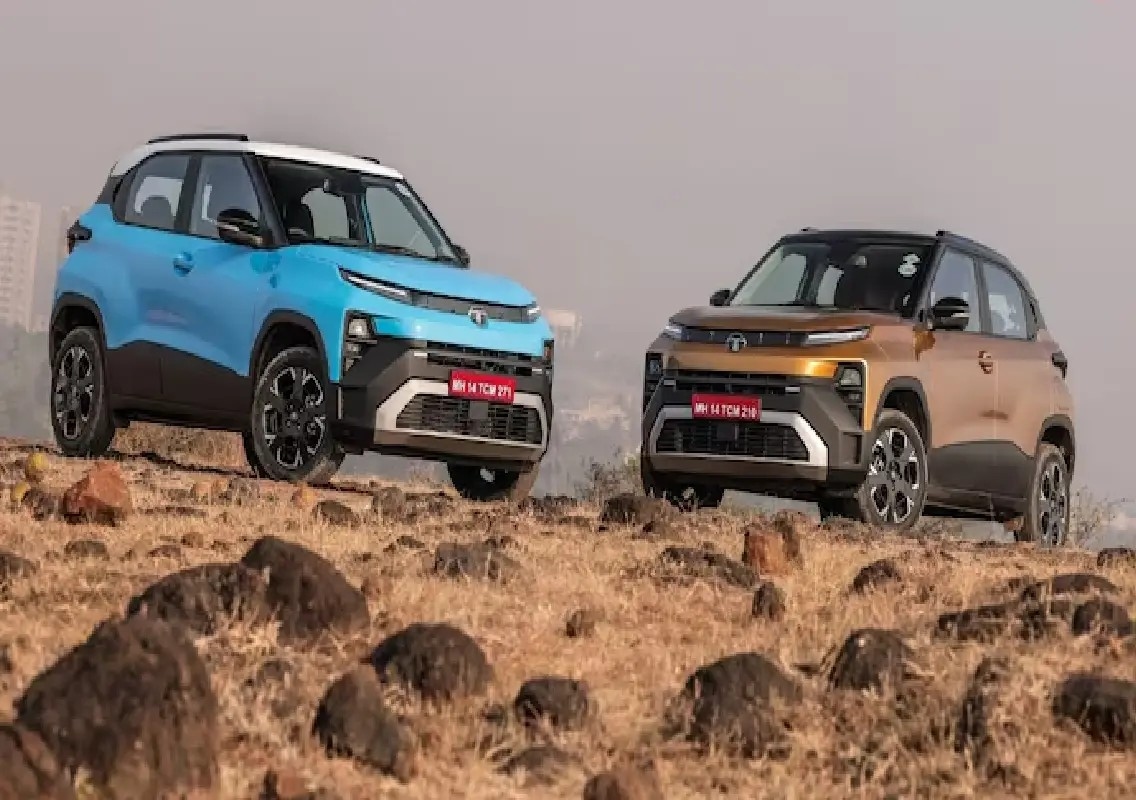
At the Bharat Mobility Global Expo 2025 earlier this year, Tata Motors showcased a flex-fuel version of the Tata Punch as a technology demonstrator.
The prototype was displayed alongside petrol, CNG and electric variants of the Punch, underlining Tata’s multi-powertrain strategy in the Indian automobile market.
The showcased Punch flex-fuel model used Tata’s 1.2-litre naturally aspirated three-cylinder petrol engine with several modifications to support higher ethanol concentrations.
According to the company, the vehicle featured upgrades to the engine control unit, fuel injection system and exhaust after-treatment components, enabling it to automatically detect and adapt to varying ethanol blends.
Officials indicated that the prototype was compatible with fuels ranging from E20 up to E85, while development efforts were also being directed towards eventual compatibility with E100 fuel.
Why flex-fuel vehicles require modifications
Automobile experts explain that ethanol behaves differently from conventional petrol and therefore requires dedicated engineering solutions.
Unlike petrol, ethanol absorbs moisture more easily, increasing the risk of corrosion in fuel lines, injectors and fuel pumps if the vehicle is not specifically designed for such fuels.
As a result, flex-fuel vehicles require corrosion-resistant materials, recalibrated engine management systems and modified fuel delivery hardware to ensure reliable performance and long-term durability.
Despite these technical changes, the refuelling process for flex-fuel vehicles remains similar to that of regular petrol vehicles, without requiring charging infrastructure or additional waiting time.
Multi-powertrain strategy continues
A flex-fuel model would further strengthen Tata Motors’ strategy of offering multiple powertrain options across its vehicle portfolio.
If the technology debuts on the Tata Punch, the compact SUV would become available in petrol, CNG, electric and flex-fuel variants.
Industry observers also speculate that the Tata Nexon could emerge as another candidate for flex-fuel technology.
If introduced on the Nexon platform, it could become one of the few vehicles in India to simultaneously offer petrol, diesel, CNG, electric and flex-fuel options under a single model lineup.
India pushing ethanol-based mobility
The Indian government has been aggressively promoting ethanol blending as part of its long-term strategy to reduce crude oil imports, lower emissions and support domestic agricultural production.
India has already achieved significant progress in ethanol blending targets over the past few years, encouraging automobile manufacturers to prepare vehicles compatible with higher ethanol content.
Industry experts believe flex-fuel technology could emerge as an important transitional solution alongside electric mobility, especially in markets where charging infrastructure remains limited.
With regulatory clarity expected over the coming months, automakers are likely to accelerate investments in flex-fuel vehicle development and production for the Indian market.