


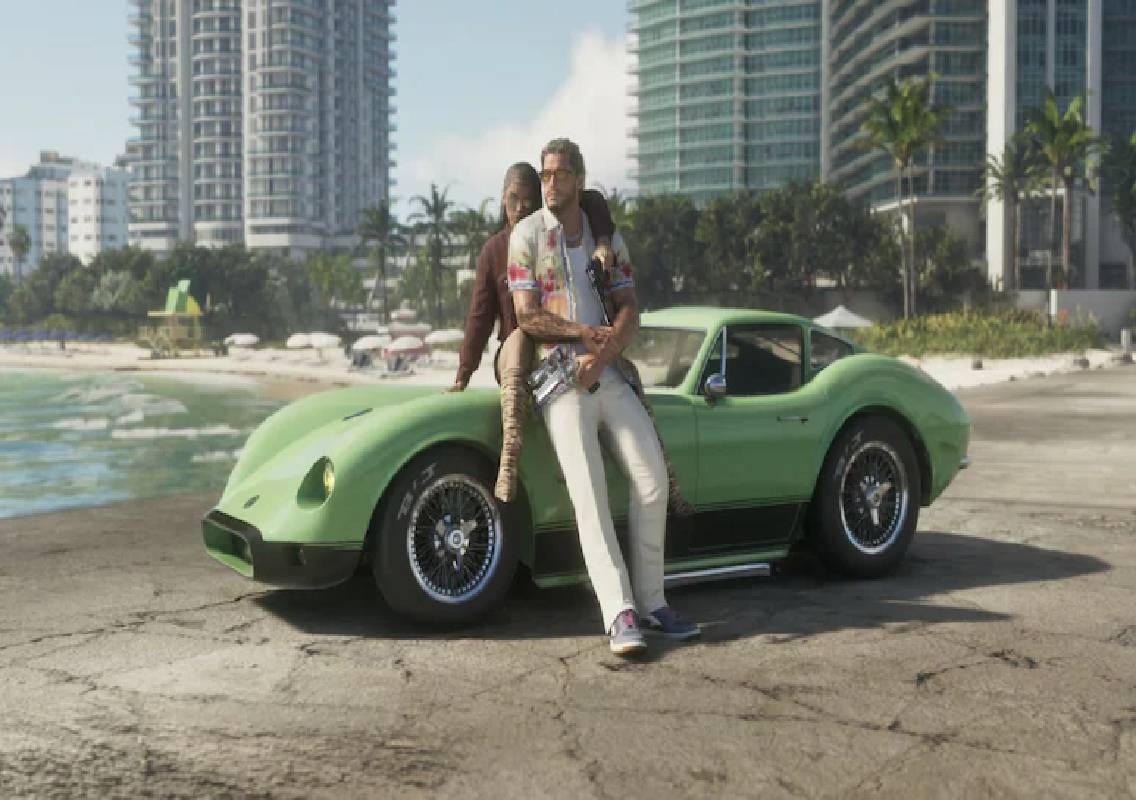


Global: Despite the enormous scale and commercial expectations surrounding Grand Theft Auto VI (GTA 6), players will not find officially licensed Ferrari, Lamborghini or BMW vehicles cruising through its fictional streets. Rockstar Games co-founder Jamie King has explained why the developer continues to create fictional car brands instead of licensing real-world manufacturers.
According to King, the decision is driven by licensing costs, creative independence and the considerable effort involved in working with automobile companies. Rockstar wants to retain control over how vehicles look, behave and are used in the game, rather than follow restrictions imposed by external brands.
The explanation also reflects the identity of the Grand Theft Auto franchise, which uses fictional products, companies and vehicles to satirise American culture and consumerism.
Licensing real cars involves more than paying a fee
Speaking to Killazo in an interaction around four years ago, King said that collaborating with automobile manufacturers would be expensive and require a tremendous amount of work from both sides.
Licensing a vehicle for a video game is not simply a matter of paying a manufacturer for permission to use its name and logo. It can involve negotiations, design approvals, restrictions on how the vehicle is represented and continued coordination between the manufacturer and the game developer.
For a game on the scale of GTA 6, which features a large collection of vehicles, securing individual agreements with multiple manufacturers could become a complicated and expensive process.
Rockstar has instead preferred to develop its own fictional automotive brands, drawing inspiration from real-world vehicles while retaining complete control over their designs.
Creative freedom is another major reason
King also highlighted the importance of creative independence. Rockstar aims to make as much of its games original as possible and does not want its development decisions to depend on outside companies.
Using fictional vehicles allows developers to change their designs, performance characteristics and mechanical details according to the requirements of the game.
For instance, a vehicle can be modified to suit a particular mission, driving style or fictional setting without requiring approval from an actual automobile manufacturer.
This flexibility is particularly important in GTA, where vehicles are not merely used for transportation. They are central to police chases, robberies, street races, stunts and other open-world activities.
By avoiding licensing agreements, Rockstar can also damage, modify and redesign vehicles without having to comply with brand-specific restrictions.
Why car manufacturers may avoid GTA partnerships
The nature of the Grand Theft Auto franchise could also make automobile manufacturers cautious about allowing their vehicles to appear under their real names.
GTA is built around crime, violence, high-speed pursuits and deliberately exaggerated situations. A licensed vehicle could be involved in shootouts, explosions, collisions or other activities that manufacturers may not want associated with their brands.
Automobile companies invest heavily in maintaining their public image. Their marketing campaigns often focus on safety, reliability, family use, technology and environmental performance.
A game in which a branded vehicle is routinely used in criminal activities may not align with those objectives.
For this reason, fictional car manufacturers give Rockstar the freedom to portray vehicles in situations that would be difficult to negotiate with real-world brands.
GTA 6 cars are inspired by real-world models
Although GTA 6 does not feature officially licensed cars, many of its vehicles take design inspiration from familiar models.
Rockstar creates fictional names and designs that resemble real-world performance cars while making enough changes to establish their own identity.
Some examples highlighted in the report include:
- Coquette D10: A fictional vehicle inspired by the Chevrolet Corvette.
- Tempesta: A fictional supercar drawing inspiration from the Lamborghini Huracán.
- Emerus: A fictional performance car with design similarities to the McLaren Senna.
The game also features vehicles inspired by other recognisable models, including the Ferrari Testarossa.
This approach allows players to recognise familiar automotive design elements without the game using actual manufacturer names or logos.
The fictional brands also fit the franchise’s satirical approach to consumer culture. Rockstar can exaggerate vehicle styling, marketing and performance without being tied to the expectations of a real manufacturer.
How GTA differs from racing games
The decision also distinguishes GTA from dedicated racing franchises such as Gran Turismo and Forza.
Racing games often work directly with automobile manufacturers to recreate vehicles with a high level of accuracy. These partnerships allow developers to reproduce real-world models, branding and performance characteristics.
GTA, however, is designed as an open-world action-adventure game rather than a dedicated vehicle simulation. Its cars are part of a larger fictional environment in which players can explore, race, customise vehicles and participate in missions.
Using fictional brands gives Rockstar greater freedom to balance vehicle performance with gameplay requirements instead of reproducing every technical detail of an actual production car.
Rockstar continues its fictional-world approach
The decision to avoid licensed cars is consistent with Rockstar’s wider approach to building the GTA universe. The franchise has traditionally used invented names for businesses, products, vehicles and other elements inspired by real-world American culture.
For GTA 6, this means players can expect a wide variety of recognisable-looking vehicles without seeing the actual logos of the manufacturers that inspired them.
Ultimately, the absence of real car brands is not simply a cost-cutting measure. It is also a creative decision that allows Rockstar to preserve the game’s satirical identity and maintain control over how vehicles are designed and used.