









Bengaluru: Heritage building gets new life as Sthala
Amid the high-rise buildings of Halasuru, tucked away on Milkmen Street, a 120-year-old Mutt has been given a new lease of life. Once abandoned and crumbling, the historic structure has now been transformed into a colourful community space called Sthala, inaugurated on Saturday.
The project is the brainchild of Shantanu Kalambi, a wildlife veterinarian and founder of Sthala, who envisioned creating a sustainable, inclusive hub. “Since the seer who used to reside in this Mutt passed away many years ago, the building was abandoned and in a dilapidated condition. We didn’t want to see a heritage structure like this go to waste and wanted to turn it into something useful for everyone,” he told Deccan Herald.
A space for work, art, and collaboration
The two-storey community centre now houses a co-working space, a café, a pottery studio, and a market zone. Among the businesses and organisations already operating from Sthala are Yellow Veranda Café, Above Zenith, Green Thumbi Hydroponics, Sthira Pottery, and Reefwatch.
The vision for the centre extends beyond just a working hub. Kalambi said the space would also serve as a platform for art, culture, and wellness. “We plan to host weekly events. The space is open to all forms of artistic and cultural expression, and people interested in hosting their own programmes can also rent it out,” he said.
Towards an art district in Halasuru
Looking ahead, Kalambi envisions turning the narrow Milkmen Street into Bengaluru’s very own art district. “This street has several such buildings that are over a hundred years old. Many of them are available for rent. In the long run, we want to involve the entire community and build interactive spaces spread across the street,” he explained.
This idea, if realised, could revitalise not just one building but an entire stretch of heritage spaces, creating a vibrant cultural and artistic pocket within the city.
Inaugural events draw community participation
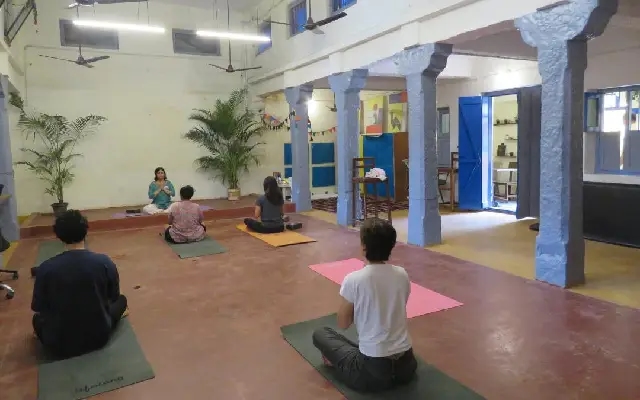
The inauguration of Sthala on Saturday offered a glimpse of what the community hub aims to achieve. Activities included a yoga session, a talk on coral reef conservation, pottery demonstrations, and a community movie screening. The day-long programme drew residents, artists, students, and entrepreneurs, underlining the centre’s inclusive spirit.
For locals, the initiative represents a rare fusion of heritage conservation and modern urban needs. A once-forgotten Mutt now pulses with creativity and collaboration, serving as a reminder of how Bengaluru’s older structures can be reimagined instead of razed.
Conclusion
Sthala stands as an example of how community-driven projects can preserve Bengaluru’s architectural heritage while adapting spaces to meet contemporary needs. With plans to expand its vision into a full-fledged art district, the initiative not only saves a historic building but also lays the groundwork for a more inclusive, creative future for Halasuru.