







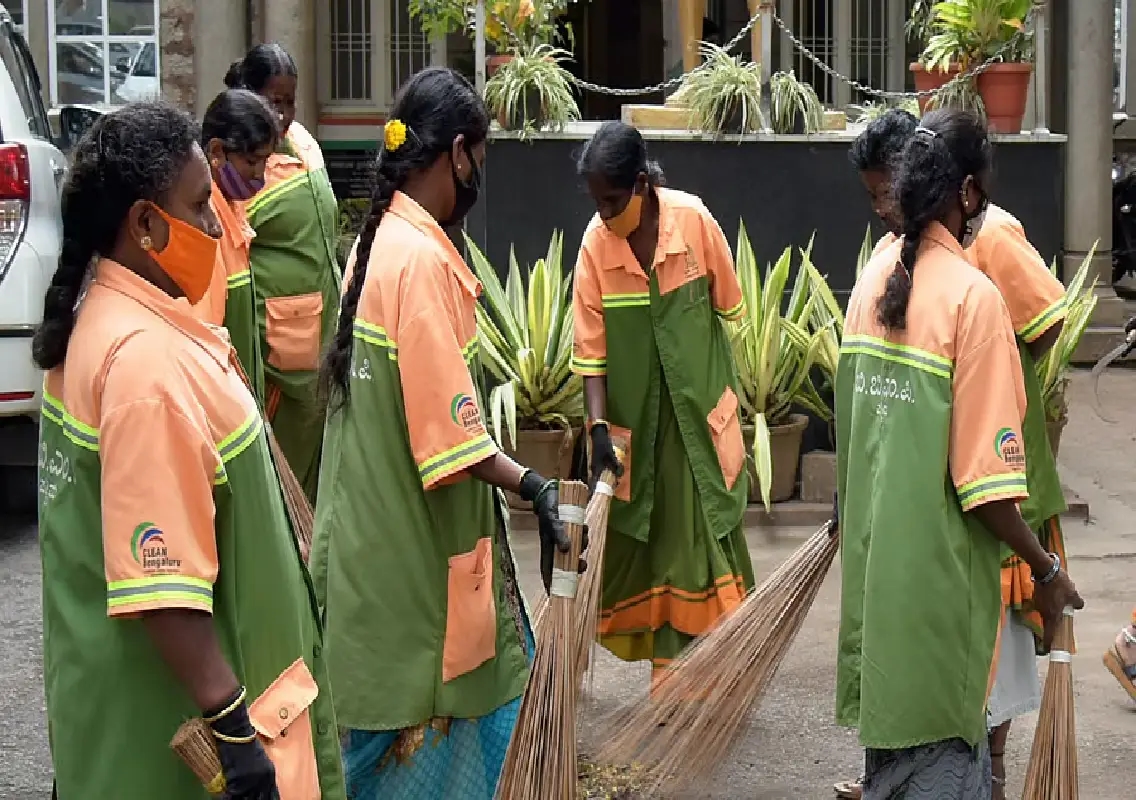


Bengaluru: As many as 42 per cent of 699 pourakarmikas who underwent a special health screening camp in east Bengaluru were found to be suffering from at least one illness, according to officials of the Bengaluru East City Corporation.
The health check-up drive was organised across urban primary health centres in Mahadevapura and KR Puram as part of a targeted initiative to assess the well-being of civic sanitation workers, who are often exposed to harsh working conditions.
The findings have raised concerns about occupational health risks and access to regular medical care for pourakarmikas, many of whom work long hours in physically demanding environments.
Hypertension and diabetes among major concerns
Out of the 699 workers screened, 42 per cent — roughly 294 individuals — were diagnosed with at least one medical condition.
Among the diagnosed cases, 91 workers were found to be suffering from hypertension, while 36 were diagnosed with diabetes. Another 10 individuals were identified with heart-related ailments. Additionally, 59 workers reported symptoms of cold or cough at the time of screening.
Health officials pointed out that conditions such as hypertension and diabetes often remain undetected for years due to lack of routine testing, especially among economically weaker sections. The screening camp helped identify such cases early and facilitate timely intervention.
Medical staff provided immediate treatment where necessary and offered counselling on diet, medication adherence and lifestyle changes. Those diagnosed with chronic conditions were referred for further medical follow-up.
Working conditions under scrutiny
Officials stated that the findings indicate a combination of neglected working conditions, poor lifestyle habits and limited access to preventive healthcare as contributing factors.
Pourakarmikas are routinely exposed to dust, waste, fluctuating weather conditions and potential biohazards, increasing their vulnerability to respiratory and cardiovascular ailments. Irregular work schedules and limited rest may also contribute to stress-related disorders such as hypertension.
Corporation Commissioner DS Ramesh said that those diagnosed with diabetes, hypertension and heart-related conditions were advised to undergo periodic monitoring and specialist consultations where necessary.
“These workers form the backbone of the city’s sanitation system. Ensuring their health and safety is a priority. Those identified with chronic illnesses will be monitored and guided for continued treatment,” he said.
Quarterly health camps planned
The Commissioner added that similar health camps would now be conducted once every three months to ensure continuous medical surveillance and early detection of ailments.
Public health experts have long advocated periodic health assessments for sanitation workers, citing the physically intensive nature of their work and the health risks associated with prolonged exposure to waste and pollutants.
The initiative is expected to improve awareness among pourakarmikas about preventive healthcare, medication compliance and lifestyle management.
Need for sustained healthcare support
While the screening has provided immediate relief to those identified with illnesses, experts emphasise the importance of sustained healthcare access, including regular check-ups, affordable medication and insurance coverage.
Civic activists have also called for improved working conditions, provision of protective gear and structured health monitoring systems to prevent long-term complications among sanitation workers.
With nearly half of those screened found to have health issues, the findings underline the urgent need for comprehensive occupational health policies and proactive medical outreach programmes.
Officials have reassured that follow-up action will be taken to ensure that affected workers receive necessary treatment and support, and that preventive measures are strengthened in the coming months.