







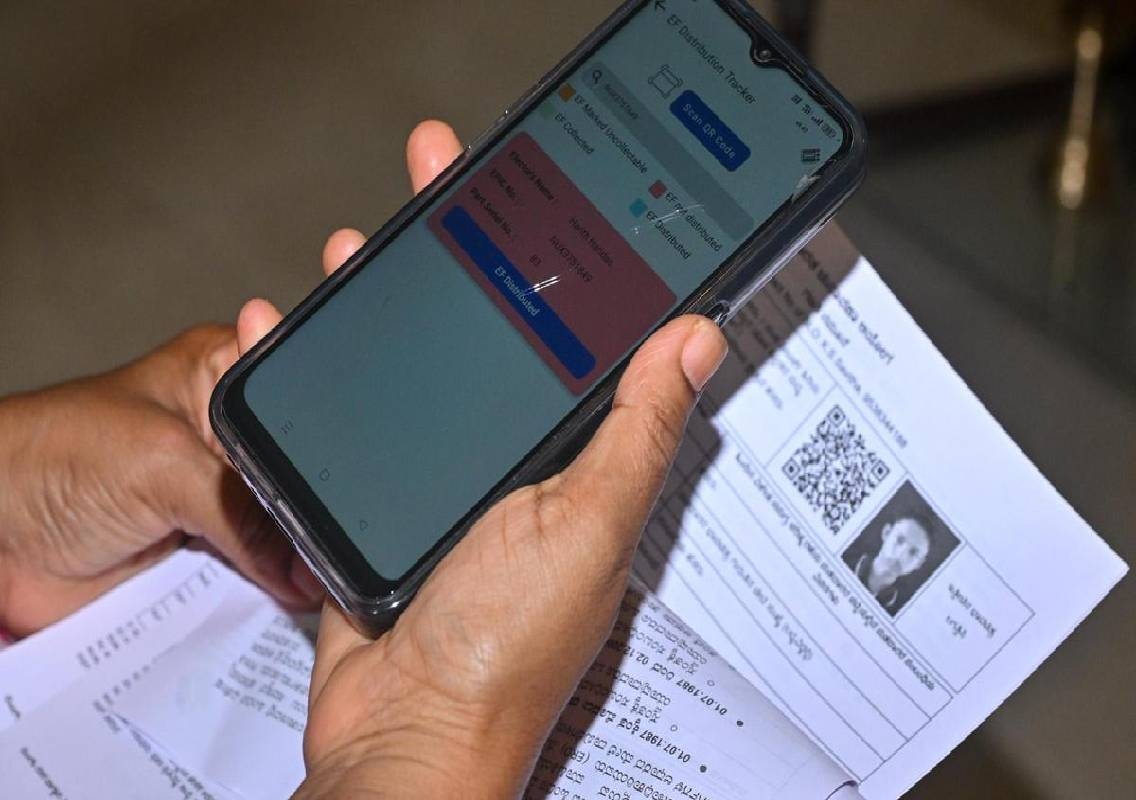


Bengaluru: Around 74 lakh voters in Karnataka are facing difficulties linked to the Election Commission’s Special Intensive Revision (SIR) of electoral rolls, civil society organisation Jagrutha Karnataka has claimed. The organisation has raised concerns over errors and verification issues that could affect eligible voters during the ongoing revision process.
The concerns have emerged as Karnataka moves towards the publication of the draft electoral rolls on August 24, marking an important stage in the revision exercise. Voters whose names or details have been flagged will have an opportunity to check the draft rolls and raise claims or objections.
Jagrutha Karnataka flags voter difficulties
Jagrutha Karnataka said a large number of voters were encountering problems during the SIR exercise.
According to the organisation, the difficulties include voters whose records have been flagged under categories involving absent, shifted, duplicate, dead and other entries, commonly referred to as the ASDDO category. It has expressed concern that some eligible voters could face difficulties proving their status or retaining their names on the electoral rolls.
The organisation has also pointed to errors in voter records and difficulties associated with the process of linking existing voter information with older electoral data.
Software developed to help voters
To assist voters in checking their status, Jagrutha Karnataka said it has developed software that can help people determine whether their names appear on the ASDDO list.
The organisation said the tool is intended to make it easier for voters to identify potential problems with their electoral records before the final rolls are prepared.
Jagrutha Karnataka also plans to launch another tool to help voters check their names against the draft electoral roll. According to the report, the new tool is expected to be available by August 27.
Draft electoral rolls to be published
The timing of the concerns is significant because Karnataka is scheduled to publish its draft electoral rolls on August 24.
The draft list will provide voters with an opportunity to verify whether their names and other details have been correctly included.
The publication of the draft is followed by a period during which citizens can submit claims and objections. Reports on the Karnataka SIR process indicate that this period is scheduled to run from August 24 to September 23.
Voters who find that their names are missing or that their personal details contain errors can use the prescribed election forms to seek corrections or inclusion.
More than 43 lakh voters set to receive notices
The SIR process has also resulted in notices being issued to around 43.8 lakh voters in Karnataka for verification.
Officials have identified these voters because of issues such as errors in records, missing or incomplete mapping information and discrepancies involving older electoral data.
Booth-level officials are expected to deliver notices to affected voters, who may then be required to appear for verification and provide supporting documents.
The large number of notices has added to concerns among civil society groups about whether voters will have sufficient time and assistance to resolve discrepancies.
Bengaluru among the most affected areas
Bengaluru is expected to account for a significant share of the verification exercise because of its large and highly mobile population.
The city has more than 1 crore registered voters, according to reports on the draft-roll exercise. The draft electorate is expected to undergo a substantial change following the verification process.
Migration, changes of address and duplicate registrations can make electoral-roll verification particularly complicated in a rapidly expanding city such as Bengaluru.
Residents who have moved between neighbourhoods or constituencies may therefore need to pay particular attention to their entries.
Concerns over voters being left out
The main concern raised by Jagrutha Karnataka is that the process should not unintentionally exclude eligible citizens.
Electoral-roll revision is intended to remove ineligible or duplicate entries and correct errors while ensuring that eligible voters remain on the rolls.
However, when large numbers of records are flagged for verification, voters may need to take additional steps to establish their eligibility.
Civil society groups have therefore called for adequate assistance and sufficient time for citizens to correct errors.
What voters should do
With the draft electoral rolls being published on August 24, voters are advised to check whether their names appear in the list.
Those who find discrepancies should carefully follow the Election Commission’s claims and objections process.
Depending on the nature of the issue, voters can use Form 6 for inclusion of a new name, Form 7 for objections or deletion-related requests and Form 8 for corrections and updates to existing entries.
Voters who receive an official notice should also follow the instructions mentioned in the notice and attend the required verification process.
Importance of checking the draft roll
The draft electoral roll is an important opportunity for voters to identify problems before the final list is prepared.
A person who assumes that their name remains on the electoral roll could face difficulties later if the entry has been removed or placed under a category requiring verification.
Checking the list early gives voters more time to submit documents, raise objections and seek clarification from election officials.
This is particularly important for elderly voters, migrants, tenants and people who have changed addresses.
SIR aims to update electoral rolls
The Special Intensive Revision is intended to help electoral authorities update voter lists and identify entries that may no longer be valid.
The exercise involves checking existing electoral records and identifying people who may have died, permanently moved, registered more than once or otherwise require verification.
The Election Commission has maintained that the purpose of the exercise is to improve the accuracy of electoral rolls while ensuring that eligible voters are not excluded.
However, the scale of the exercise means that the verification process has become a significant administrative challenge in Karnataka.
Civil society groups seek more time
Concerns over the process have been raised in Karnataka for several months.
Civil society groups have previously called for more time for voters to complete the process and for greater assistance at the local level. A Karnataka Declaration adopted at a Bengaluru convention in April had urged authorities to extend the period available for appeals and establish voter-assistance centres in wards and Gram Panchayats.
Jagrutha Karnataka’s latest concerns have renewed the debate over whether voters have adequate support to resolve problems identified during the revision.
Final rolls will depend on claims and objections
The publication of the draft list does not represent the end of the process.
Voters who believe their names have been wrongly excluded or that their details are incorrect can submit claims and objections during the prescribed period.
Election officials will examine these submissions before preparing the final electoral rolls.
The process therefore provides an opportunity for voters to correct mistakes, provided they identify the problem and respond within the deadline.
Why the issue matters
The electoral roll is the foundation of the voting process. An eligible citizen whose name is missing from the final list may be unable to exercise their franchise.
For this reason, the concerns raised over the Karnataka SIR process have attracted attention from civil society groups and political observers.
The challenge for election authorities will be to balance the need to remove invalid entries with the equally important requirement of protecting the voting rights of eligible citizens.
Conclusion
Around 74 lakh voters in Karnataka are reportedly facing difficulties related to the Special Intensive Revision of electoral rolls, according to Jagrutha Karnataka. The organisation has raised concerns about errors, verification issues and entries that could potentially affect eligible voters.
With the draft electoral rolls scheduled to be published on August 24, voters now have an important opportunity to verify their names and personal details. Those facing discrepancies can submit claims or objections during the designated period.
Jagrutha Karnataka has developed a tool to help voters check whether their names appear on the ASDDO list and plans to launch another tool for checking the draft electoral roll.
As the revision progresses, timely verification by voters and adequate assistance from election authorities will be crucial to ensuring that genuine voters are not inadvertently left out of Karnataka’s final electoral rolls.