







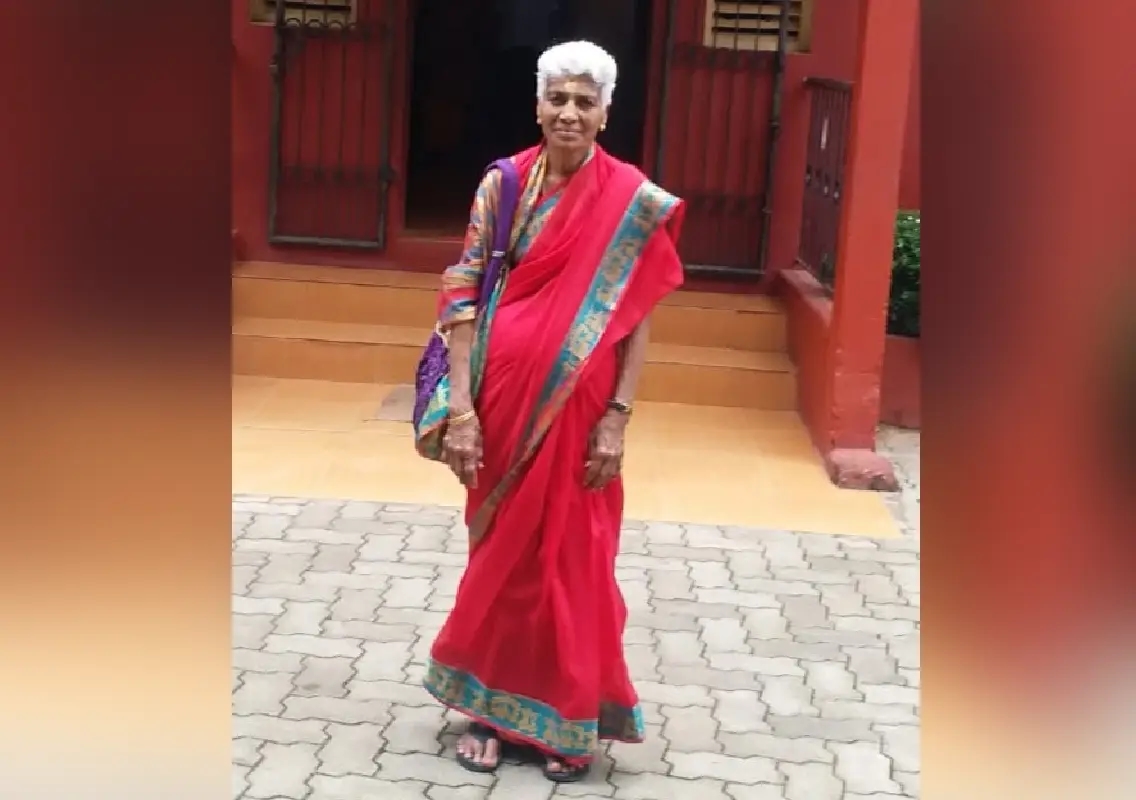


Bengaluru: In the heart of bustling Bengaluru, amid the chaos and noise, lived a gentle soul named Ms.Uma Maheshwari, a woman nearing 70, whose quiet presence often went unnoticed. She was an unassuming figure, often overlooked by her family members, blending into the background of a world that seemed to be constantly moving at a pace too fast for her to keep up with. But beneath her quiet exterior lay a story of heartbreak, resilience, and an extraordinary act of selflessness that would leave an indelible mark on the medical community.
Uma devoted her entire life to her family, raising her children and grandchildren with unwavering love and working tirelessly to ensure they never lacked anything, especially after her husband passed away, leaving her to shoulder the burden alone. As the years went by, her children and grandchildren became successful but increasingly distant, causing the once-close bonds to fray and leaving Uma in a state of loneliness she quietly endured. Despite being forgotten by her family members, she never lost her kindness, continuing to volunteer at spiritual places and local shelters, offering help to those in need even as she faced her final years in solitude.
When Uma was diagnosed with a terminal illness in her late sixties, she faced the news with the same quiet strength that had carried her through life, and, despite having no one to comfort her, she refused to succumb to self-pity. Instead, she chose to donate her organs and body to medical research, understanding that even in death, she could make a significant impact by saving lives and training future doctors. Though there were no family members to mourn her passing and no funeral to mark her life, Uma’s legacy took shape in the sterile rooms of a medical school, where her body became a vital tool for learning, helping aspiring doctors master the complexities of human anatomy and surgery.
Dr. Sharanya Rajan, one of the youngest General Practitioners (GPs) in the UK and a Public Health Specialist who empowers underprivileged communities in India, said, “Uma Amma’s story is one of quiet heroism, a reminder that even in the face of abandonment and loneliness, one has the power to leave a lasting impact on the world. She may have been deserted by her family, but in the end, she created a new family—one made up of the lives she will save, the doctors she will help train, and the countless patients who will benefit from the knowledge she will provide”.
In a world that often measures success by the number of people who mourn us when we’re gone, Uma’s life stands as a testament to a different kind of legacy—a legacy built not on recognition, but on the quiet, profound act of giving. And in that, she became a hero, not just to those who received her organs, but to the entire medical community she supported with her final, selfless gift.
Also Read: