







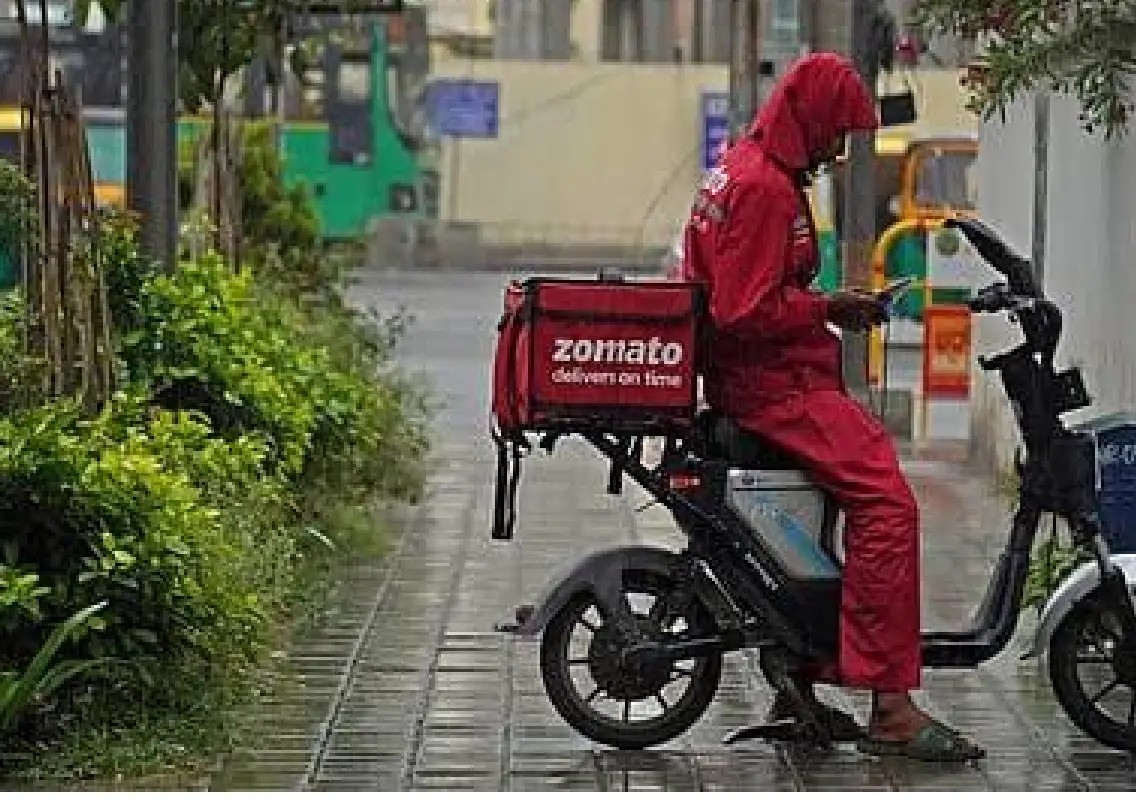


Bengaluru: For thousands of food delivery, grocery delivery and bike-taxi riders in Bengaluru, the race is no longer just against time. Many are now struggling to find fully charged batteries for their rented electric two-wheelers, leading to long delays, missed orders and loss of income.
At a battery-swapping station near KR Circle inside the BESCOM corporate office complex, more than 10 riders were recently seen waiting to replace depleted batteries. The station, operated by Indofast Energy, has a capacity of 16 batteries, but riders claimed the actual availability often differs from what is displayed on their mobile applications.
Riders lose orders while searching for batteries
Many gig workers said apps continue to show batteries as available even when stations have run out of stock.
Hussain, a delivery rider, said he frequently loses 10 to 15 orders every day while travelling between swapping stations.
“It is showing that 16 batteries are available here, but the operator is asking us to leave. If we travel another 10 kilometres to another station and find no batteries there either, we lose even more time,” he said.
He added that with sufficient battery availability, riders could earn up to ₹3,000 a day.
Demand outpaces infrastructure
Riders said Bengaluru has witnessed a sharp increase in electric two-wheelers used for food delivery, bike taxis and quick commerce, but battery-swapping infrastructure has not kept pace.
Madhab Maity, a bike-taxi rider, said a gig worker typically requires four to six battery swaps during a workday lasting more than 12 hours.
“Some days I work up to 16 hours, switching between bike-taxi services and grocery deliveries. The swapping stations are too few and too far apart,” he said.
Industry suggests virtual queue system
Responding to the issue, Bounce CEO Vivekananda Hallekere said battery availability displays need to be more accurate.
He suggested that introducing a pre-booking or virtual queue system could reduce congestion and improve battery allocation, especially during peak hours when many riders require replacements simultaneously.
As Bengaluru’s gig economy continues to expand, riders are urging operators and service providers to increase the number of battery-swapping stations and improve real-time availability to ensure uninterrupted services and better earnings.