







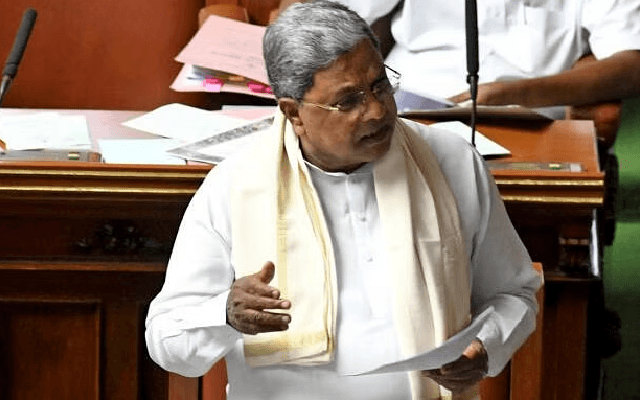


In a recent development, Karnataka Chief Minister Siddaramaiah has reportedly deleted his post on the state’s reservation in the private sector for local citizens or Kannadigas. This decision followed significant backlash from the business community and citizens. The government, led by CM Siddaramaiah and Deputy CM DK Shivakumar, had approved a bill in a cabinet meeting that mandated 50% reservation for Kannadigas in management jobs and 75% in non-management roles. The policy faced widespread criticism on social media, leading to the post’s removal.
Bill Details and Reaction
The controversial bill approved by the state cabinet aimed to implement a 50% reservation for Kannadigas in management jobs and 75% in non-management categories in the private sector. This move was intended to prioritize local employment and support Kannadigas in securing jobs within the state.
However, the announcement was met with immediate backlash from both citizens and business leaders. Concerns were raised about the potential negative impact on business operations, competitiveness, and the ability to attract talent from other regions. Many critics took to social media to express their discontent, arguing that the policy could hinder the growth and development of the private sector in Karnataka.
Government’s Response
Following the outcry, Chief Minister Siddaramaiah decided to delete the post detailing the reservation policy. The decision to remove the post indicates the government’s responsiveness to public opinion and the concerns of the business community. Despite the deletion, the issue remains a topic of heated debate, with stakeholders calling for a more balanced approach to address local employment needs without compromising the state’s economic vitality.
Background and Implications
The reservation policy is part of a broader effort by the Karnataka government to support local employment and ensure that Kannadigas have better job opportunities within the state. Similar policies have been implemented in other regions, but they often face challenges related to implementation and acceptance.
The business community’s reaction highlights the complexity of such policies, where the intent to support local employment must be balanced against the practical considerations of running competitive and efficient businesses. The government’s next steps will likely involve further consultations with stakeholders to find a more acceptable solution that addresses the concerns of all parties involved.