







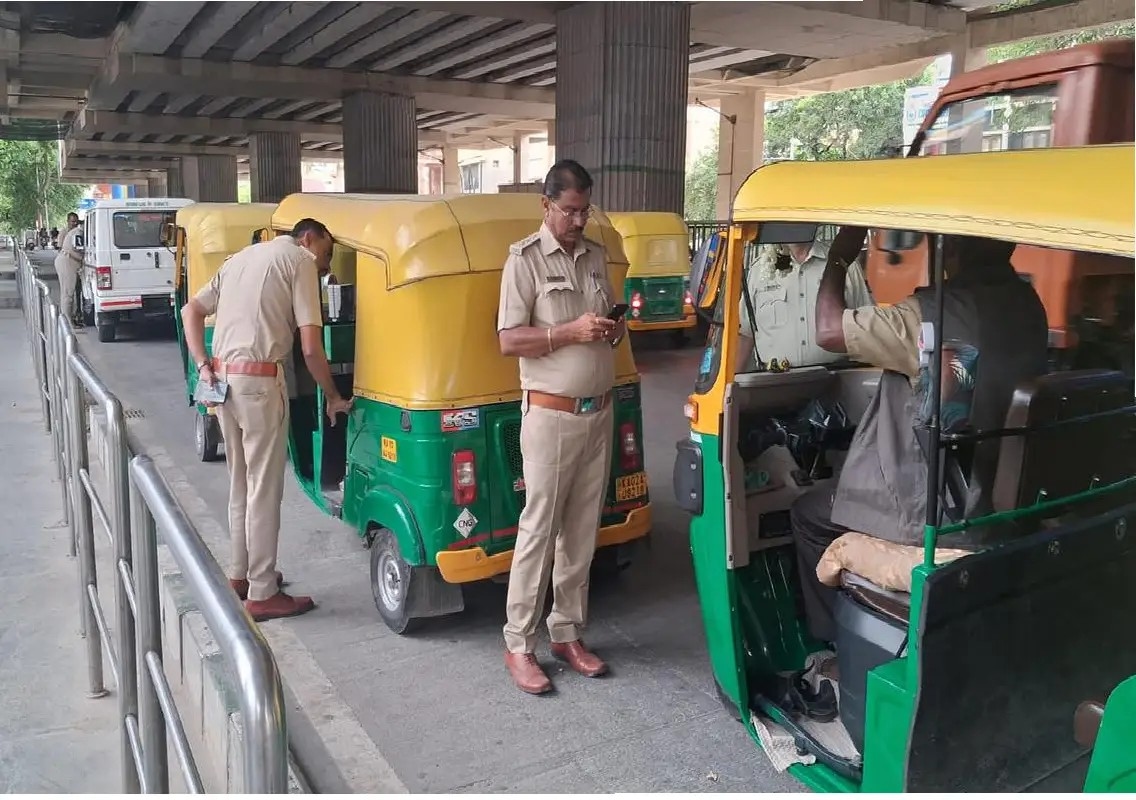


Bengaluru: The Karnataka Transport Department has convened a meeting with mobility and logistics aggregator platforms and driver unions on Wednesday to discuss the growing use of passenger auto-rickshaws for goods delivery and other transport-related concerns.
The meeting comes amid an intensified crackdown on passenger autos allegedly being used illegally to transport goods, following protests by goods auto drivers against logistics platform Porter.
Crackdown gathers pace
Transport authorities launched the enforcement drive on June 24, a day after goods auto drivers staged a protest outside Porter’s office in Adugodi, alleging that the platform was allowing passenger auto-rickshaws to undertake goods delivery, affecting their livelihoods.
Transport Commissioner and Road Safety Commissioner Selvamani R said multiple cases have been registered over the past two weeks against passenger autos found transporting goods.
“Just last Friday, more than 70 cases were booked. A dedicated enforcement squad has been formed to conduct surprise inspections across Bengaluru, and companies violating the rules will also face action,” he said.
Passenger autos cannot carry commercial goods
Under the Motor Vehicles Act, 1988, and the Karnataka Motor Vehicles Rules, passenger auto-rickshaws are registered as contract carriages and are permitted to transport only passengers and their personal luggage. They are not authorised to operate as commercial goods carriers.
Despite the regulations, Porter’s app reportedly continues to offer a ‘Mini 3-Wheeler’ option, which is generally fulfilled by passenger autos. The service allows transport of parcels weighing up to 90 kg and is significantly cheaper than hiring a registered goods auto.
Driver unions seek action
Goods auto drivers have alleged that the practice is affecting their earnings and creating unfair competition. They have also accused the platform of charging high commissions while onboarding passenger auto drivers free of cost.
Passenger auto drivers, however, argue that transporting small consignments helps them supplement their income and caters to customers whose parcels are too large for bikes but too small for goods tempos.
The Transport Department is expected to discuss these concerns with aggregator companies and driver representatives before deciding on further regulatory measures