







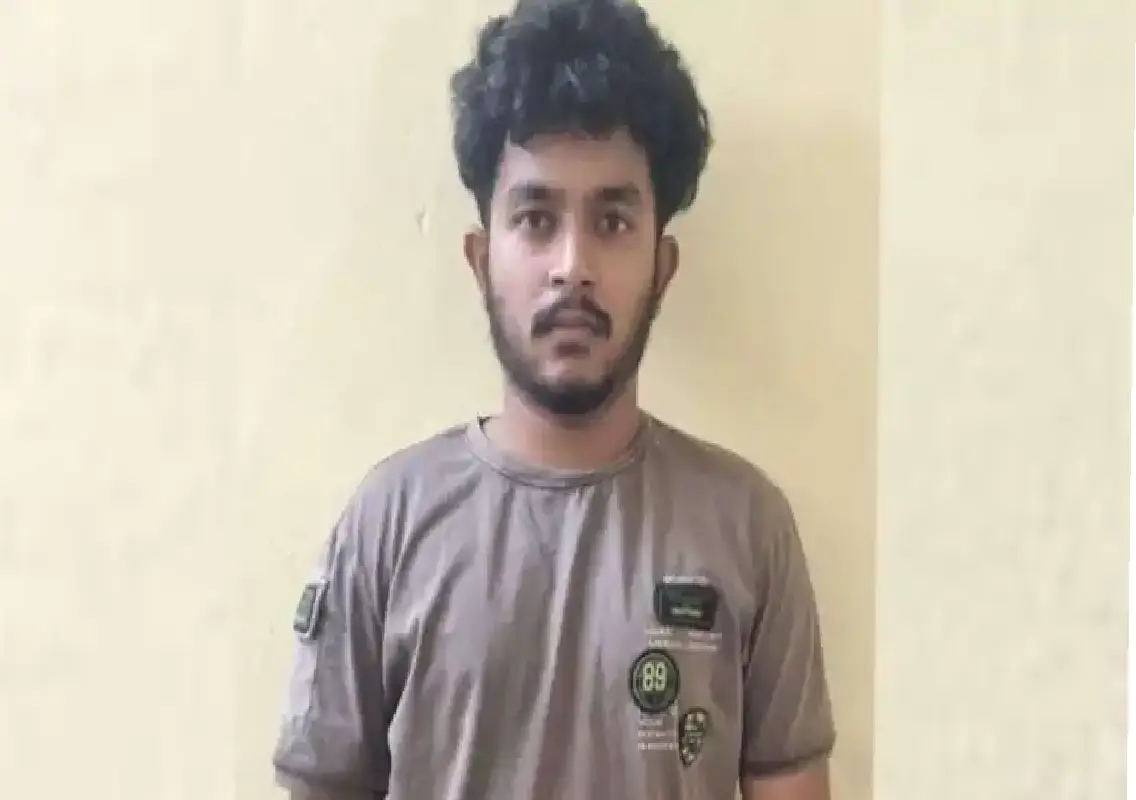


Bengaluru: A 22-year-old college dropout from the city allegedly built and operated a sophisticated cybercrime money-muling network that routed hundreds of crores of rupees through illegally opened bank accounts across India. The accused, Mohammed Uzaif, a BCom dropout, and his mother Sabana Abdul Bari have been arrested by a special team of the Bengaluru police, uncovering what investigators describe as one of the largest mule account operations busted in recent times.
According to police, the operation involved nearly 9,000 mule bank accounts and transactions worth about ₹240 crore, much of which has now been frozen. The network is suspected to have facilitated proceeds from cyber frauds reported across multiple states, exposing serious loopholes in banking and KYC verification systems.
How the cybercrime network was built
Investigators revealed that Uzaif began his activities on a relatively small scale but quickly expanded operations after establishing links with a Dubai-based Indian operator. He was allegedly working for this overseas handler and earned more than ₹25 lakh annually by managing thousands of bank accounts opened illegally in the names of unsuspecting individuals.
Police said his mother played a key role in the operation. She allegedly assisted in sourcing, maintaining and controlling around 4,200 mule accounts. Together, the duo is accused of channelling approximately ₹24 crore through these accounts, laundering money generated from cyber fraud cases reported across the country.
What started as a local operation soon grew into a national and international network, with coordinators and facilitators operating from multiple states and links extending overseas.
Role of Delhi-based associates
As part of the probe, police arrested nine persons from Delhi who allegedly helped the accused manage the mule accounts. Their role included withdrawing money using linked debit cards, coordinating transfers, and couriering debit cards and banking documents overseas.
Investigators said these associates acted as middlemen between the Bengaluru-based operators and foreign handlers, ensuring smooth movement of money and banking instruments. Collectively, the accused are believed to have handled close to 9,000 mule accounts.
So far, transactions worth about ₹240 crore linked to these accounts have been frozen as part of the investigation.
Links to hundreds of cybercrime cases
Bengaluru City Police Commissioner Seemanth Kumar Singh said the network has been linked to at least 864 cybercrime cases registered across India. These include cases of online investment fraud, phishing scams, and other digital financial crimes where victims’ money was routed through mule accounts to evade detection.
“The magnitude of the operation shows how organised and structured cybercrime networks have become. These accounts were used to receive and layer money from multiple fraud cases before transferring it further,” the commissioner said.
Alleged mastermind and international angle
Police identified the alleged mastermind behind the operation as Prem Taneja, a Dubai-based Indian bookie. Taneja was earlier arrested by Mumbai police in connection with the 2013 Indian Premier League spot-fixing case and is currently on the run.
Investigators believe Taneja coordinated the overseas movement of funds and provided operational guidance to the Bengaluru-based accused. The police are now exploring legal and diplomatic avenues to secure his arrest and extradition.
“As of now, the prime accused is in Dubai as per our information. We are moving through legal ways to get him back and see that the case is taken to its logical end,” Commissioner Seemanth Kumar Singh said.
Seizures reveal scale of operation
The sheer scale of the network became evident during searches conducted by the police. Officers seized 242 debit cards, 58 mobile phones, 531 grams of gold jewellery, ₹4.9 lakh in cash, nine wristwatches, 33 cheque books, 21 passbooks, a digital payment ring, and documents related to cryptocurrency transactions.
Police said the recovered material indicates not only traditional banking fraud but also possible links to digital assets and emerging financial platforms.
Targeting vulnerable people for accounts
Police said intelligence inputs were first received in November, prompting close surveillance of the accused. During this period, investigators noticed that Uzaif and his mother frequently visited government hospitals, particularly labour wards, as well as colleges.
They allegedly approached vulnerable individuals, including new parents and students, and convinced them to open bank accounts in exchange for commissions ranging from ₹2,000 to ₹5,000. Once the accounts were opened, the duo reportedly collected passbooks, debit cards, cheque books and SIM cards registered in the account holders’ names.
These were then handed over to associates in Delhi, who coordinated withdrawals, transfers and overseas movement of funds.
Arrests and ongoing investigation
Uzaif and his mother were arrested on November 29, while the other accused were taken into custody on December 17. Police have identified all the accused involved in the Delhi leg of the operation, hailing from Uttar Pradesh, Bihar, Rajasthan and Jharkhand.
The police are now focusing on tightening the case, analysing digital evidence, and identifying additional victims and linked cybercrime cases. Efforts are also underway to examine systemic loopholes that allowed such a large number of mule accounts to operate without adequate KYC compliance.
Conclusion
The bust of the Bengaluru-based mule account network has once again highlighted the growing sophistication of cybercrime operations and the urgent need for stronger financial safeguards. As the investigation progresses, police hope to dismantle the remaining international links and bring the prime accused to justice, while also working with banks to prevent similar misuse of the financial system in the future.