









Bengaluru, Karnataka’s vibrant capital, is currently grappling with a concerning surge in dengue fever cases, prompting widespread alarm among residents. Within just 20 days, the city has reported an alarming 1,000 cases, marking a significant increase compared to previous years. Concurrently, there has been a notable rise in viral fever cases, placing additional strain on local healthcare resources.
Experts attribute the surge to unusual weather patterns, including sporadic rain and unexpected cold winds, which have created ideal breeding conditions for mosquitoes, the carriers of dengue. Increased vigilance and fever surveys by BBMP have also contributed to the heightened detection of cases.
Dr. Syed Madani, Chief Health Officer, highlighted the proactive measures taken by the health department, noting a quadruple increase in inspections compared to previous years. As of mid-2024, Bengaluru has already recorded nearly 5,000 dengue cases, significantly surpassing last year’s figures for the same period, with a sharp rise observed after May.
The eastern and Mahadevpura zones of the city are the worst affected, exacerbated by construction activities that foster stagnant water—a breeding ground for mosquitoes. Meanwhile, the southern zone is combatting chikungunya, another mosquito-borne illness.
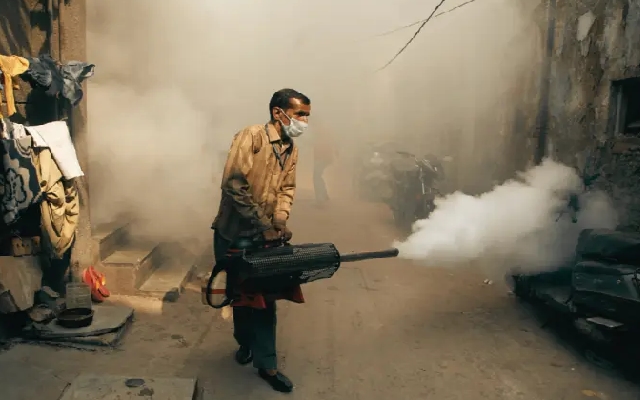
Authorities are intensifying efforts to curb the outbreak, conducting fogging drives to eliminate mosquito breeding grounds and launching public awareness campaigns on preventing stagnant water near residential areas. Continuous fever surveys are also underway to promptly identify potential cases.
The seriousness of the situation hit home when Chief Civic Commissioner Tushar Giri Nath tested positive for dengue, though he is expected to resume duties soon. This underscores the personal impact of the city’s health crisis.
In response to the escalating cases, Chief Minister Siddaramaiah has convened high-level meetings with BBMP officials and health authorities to bolster containment strategies. With June alone witnessing 1,036 reported cases, Bengaluru remains vigilant as the monsoon season approaches, traditionally conducive to mosquito proliferation.
Despite the challenges, BBMP officials express confidence in their preventative measures, emphasizing extensive surveillance, early detection of fevers, and efforts to eliminate mosquito breeding sites as crucial steps in controlling the outbreak.