







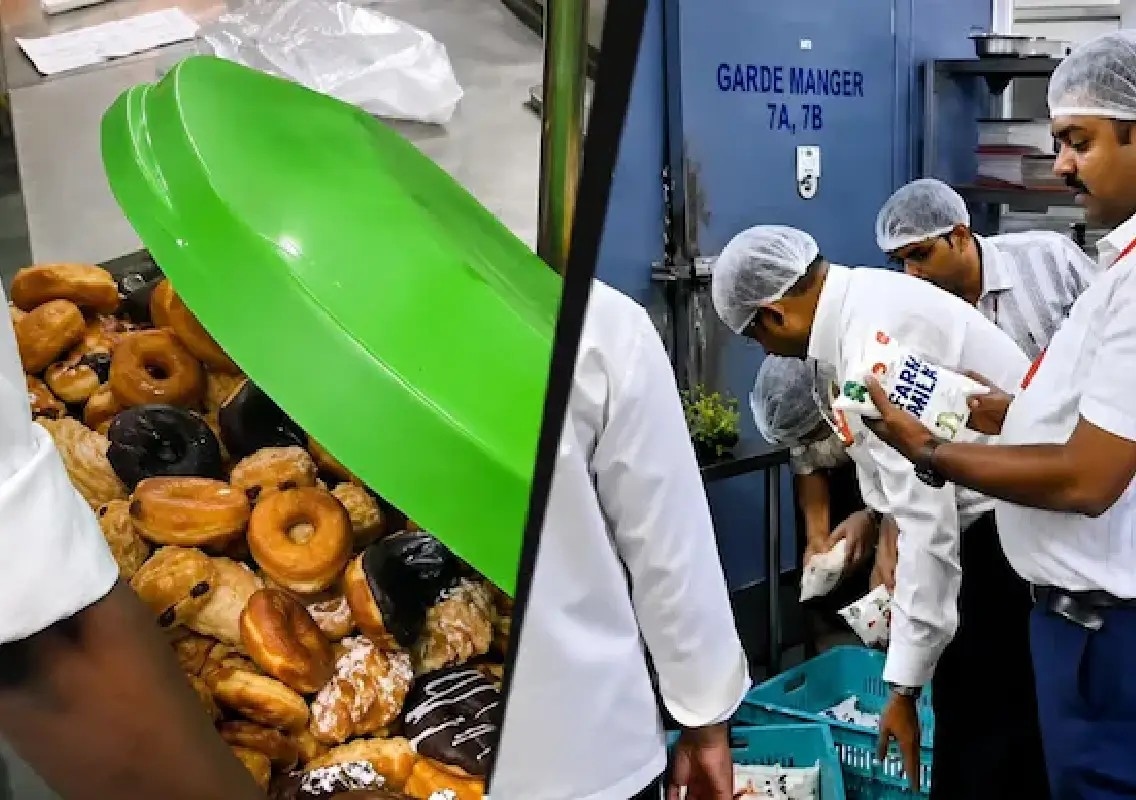


Bengaluru: Food safety inspections in Bengaluru have widened to include more three-star and five-star hotels after changes to the licensing structure brought hotels with annual turnover below Rs 50 crore under the state Food Safety and Administration Department.
The Food Safety and Standards Authority of India (FSSAI) revised its licensing bracket in April 2026, raising the annual turnover threshold for state-level licensing control from Rs 20 crore to Rs 50 crore. Hotels and restaurants with turnover above Rs 50 crore remain under FSSAI licensing control.
More hotels now under state department
Food Safety and Drug Administration Commissioner Srinivas K said the department had always conducted inspections but was now carrying them out on a larger scale.
“Many of the three-star hotels and five-star hotels recently came under our purview. So, now we started raids from them,” he said.
During recent inspections, officials reportedly found and seized reused cooking oil after checking its Total Polar Materials (TPM) levels.
Reused oil under scrutiny
Officials explained that a digital oil tester is dipped into boiling cooking oil to measure TPM. Oil with a TPM level of 25 or above is considered unsafe.
The department has issued notices to hotels where violations were detected. The kitchens inspected have continued to operate, with hotel management required to rectify the identified problems and respond to the notices within a week.
Some establishments have already started responding to the notices, officials said.
Minister warns against compromising food quality
Health and Family Welfare Minister U T Khader said the inspections should serve as a warning to hoteliers against compromising food quality.
He urged hotel operators to understand their responsibility and voluntarily maintain food safety standards.
“People pay for the food they are served, and hoteliers, in turn, have the responsibility to ensure that they provide good-quality food,” he said.
Repeatedly heated oil poses health concerns
Doctors have also highlighted the potential health risks associated with repeatedly heated cooking oil.
Dr Sreenivasa D, lead consultant in medical gastroenterology, said repeatedly heated oil undergoes chemical changes when it interacts with air and water, producing compounds that may increase inflammation and contribute to risks involving heart health, the liver and metabolic disorders.
Some byproducts may also damage cells and, with prolonged consumption, potentially increase the risk of certain cancers, he said.
Dr Amjad Khan H, head of emergency medicine at a private hospital, said contaminated or unsafe food can commonly cause food poisoning and acute gastroenteritis, resulting in nausea, vomiting, diarrhoea, abdominal cramps, fever, dehydration and weakness.
Children, older adults, pregnant women and people with weakened immunity may face a greater risk of complications.
#Bengaluru #FoodSafety #FSSAI #FoodSafetyRaid #Hotels #FoodQuality #ReusedOil #Karnataka #NewsKarnataka