


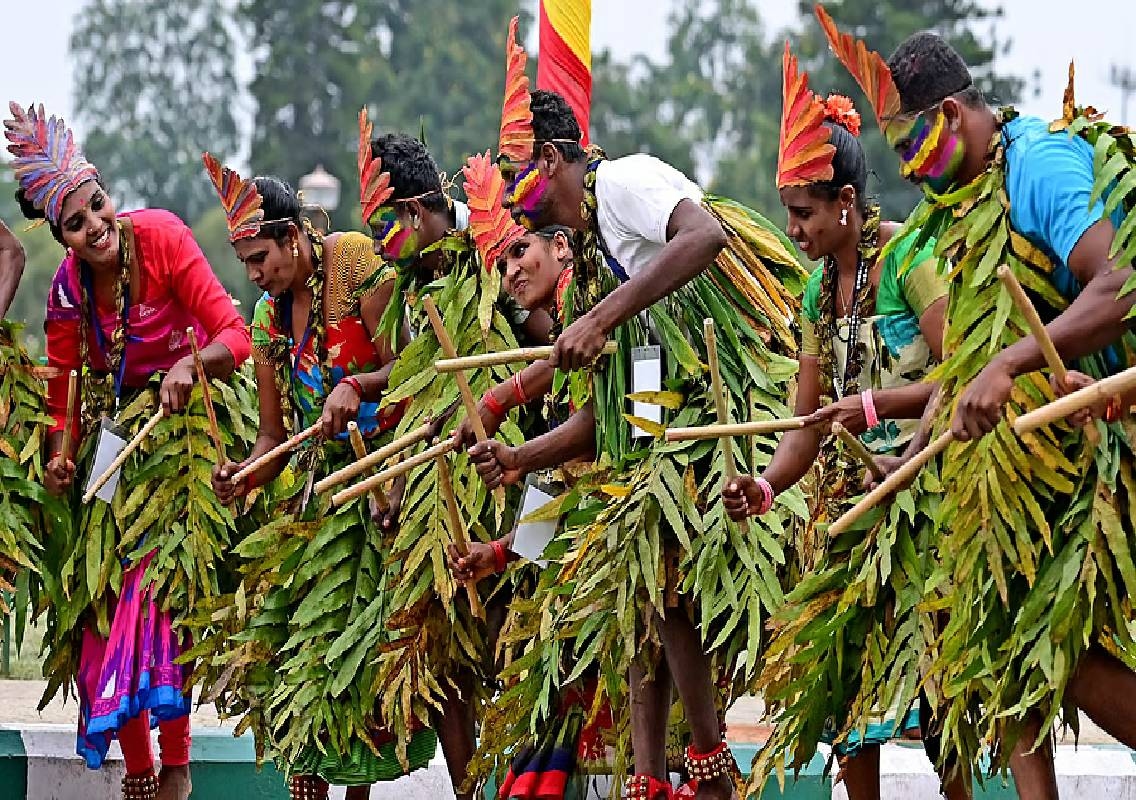


Bengaluru: The upcoming Bengaluru Jatre, a 10-day city-wide cultural festival scheduled from December 4 to 13, 2026, has received expressions of interest from more than 300 organisations and over 80 artists, according to the state government. The event aims to bring together neighbourhoods, educational institutions, cultural organisations, businesses and community groups to celebrate the city’s diversity through art, music, heritage and public activities.
The organisations that have expressed interest in participating include the Confederation of Indian Industry (CII), Bangalore Chamber of Industry and Commerce (BCIC), Indian Institute of Management Bangalore (IIM Bangalore), Rashtriya Vidyalaya Trust, Bangalore International Centre (BIC), National Gallery of Modern Art (NGMA), Sabha, Manyata Tech Park and other institutions.
The participation of organisations from different sectors is expected to give the festival a broad programme covering culture, education, business, research and community activities.
The organisers are encouraging institutions to develop programmes suited to their own spaces and areas of expertise. Educational institutions could organise exhibitions or innovation showcases, while cultural venues could host performances, workshops and special events.
Businesses and corporate campuses may also open their spaces for cultural and community activities. Neighbourhood associations and local groups are being encouraged to organise celebrations that reflect the interests and character of their communities.
The programme details for individual participants are yet to be finalised.
More Than 80 Artists Show Interest
Over 80 artists have expressed interest in participating in Bengaluru Jatre. Those named among the interested artists include Aditya Prakash Ensemble, Swarathma, Suma Sudhindra, Manasi Prasad, Karthik Mani, Mystik Vibes, Spoorthi and Chitra Srikrishna.
Their participation could bring together different musical styles and artistic traditions as part of the festival. However, the specific performances, venues and schedules have not yet been confirmed.
The organisers are continuing to receive enquiries from interested participants, with the government indicating that the festival is open to individuals and organisations beyond Bengaluru as well.
The aim is to encourage artists, students, young people and community groups to take an active role in shaping the celebrations rather than limiting the event to programmes organised exclusively by the government.
Bengaluru Jatre to Be Held Across Five City Corporations
The Greater Bengaluru Authority (GBA) will serve as the nodal agency for the festival, with activities planned across the jurisdictions of Bengaluru’s five city corporations.
Unlike conventional festivals concentrated at a single venue, Bengaluru Jatre is intended to bring cultural activities into neighbourhoods, streets, parks, educational institutions, public spaces and corporate campuses.
The concept draws inspiration from Karnataka’s traditional Ooru Habba or Jatre, in which communities come together for collective celebrations. The organisers aim to adapt that spirit to Bengaluru’s urban setting, giving residents opportunities to participate in activities close to where they live and work.
The Kannada and Culture Department is expected to showcase Karnataka’s art and cultural traditions, while tourism-related agencies could organise activities around the city’s heritage sites and attractions.
Other civic and public agencies, including Bengaluru Metro Rail Corporation Limited (BMRCL) and Bengaluru Metropolitan Transport Corporation (BMTC), could also explore ways to connect the festival with public transport spaces and services.
Metro concourses could potentially host performances, while buses could carry the festival’s identity across the city. These are among the proposed possibilities, with the final arrangements to be determined by the organisers and participating agencies.
Music, Art, Food and Heritage Among Key Themes
Bengaluru Jatre is envisioned as a celebration covering music, art, literature, food, history, science, creativity and community life.
Different neighbourhoods and institutions may host activities based on their interests. Parks could become performance spaces, museums could organise special exhibitions, and colleges could present cultural or innovation-focused programmes.
Libraries, research institutions and science centres could also participate by bringing educational activities to a wider public audience.
The approach is intended to highlight Bengaluru’s cultural diversity and strengthen connections among people from different backgrounds. By involving local communities and institutions, the festival seeks to create opportunities for residents to contribute their own ideas and talents.
The state government has also presented the initiative as a way to improve the quality of urban life by placing greater emphasis on culture, recreation and community engagement alongside the city’s economic and infrastructure development.
Bengaluru Jatre 2026: Dates and Public Participation
Bengaluru Jatre will take place from December 4 to 13, 2026, with activities spread across the city over 10 days. The government has indicated that more than 300 programmes are planned for the festival.
The organisers are expected to publish a dedicated website with programme details and schedules in advance. Smaller activities may not require prior registration, while registration is expected to be necessary for larger events.
Government-organised events are intended to be free for the public, although residents should check the final programme for any event-specific participation requirements.
With more than 300 organisations and over 80 artists having expressed interest, the festival’s planning has begun to take shape. The next stage will involve finalising the participating institutions, selecting venues and confirming individual programmes.
The success of Bengaluru Jatre will depend on how effectively the organisers coordinate activities across the city’s neighbourhoods and public spaces. The initiative aims to make the festival a city-wide celebration shaped not only by government departments but also by residents, artists, businesses and cultural institutions.