


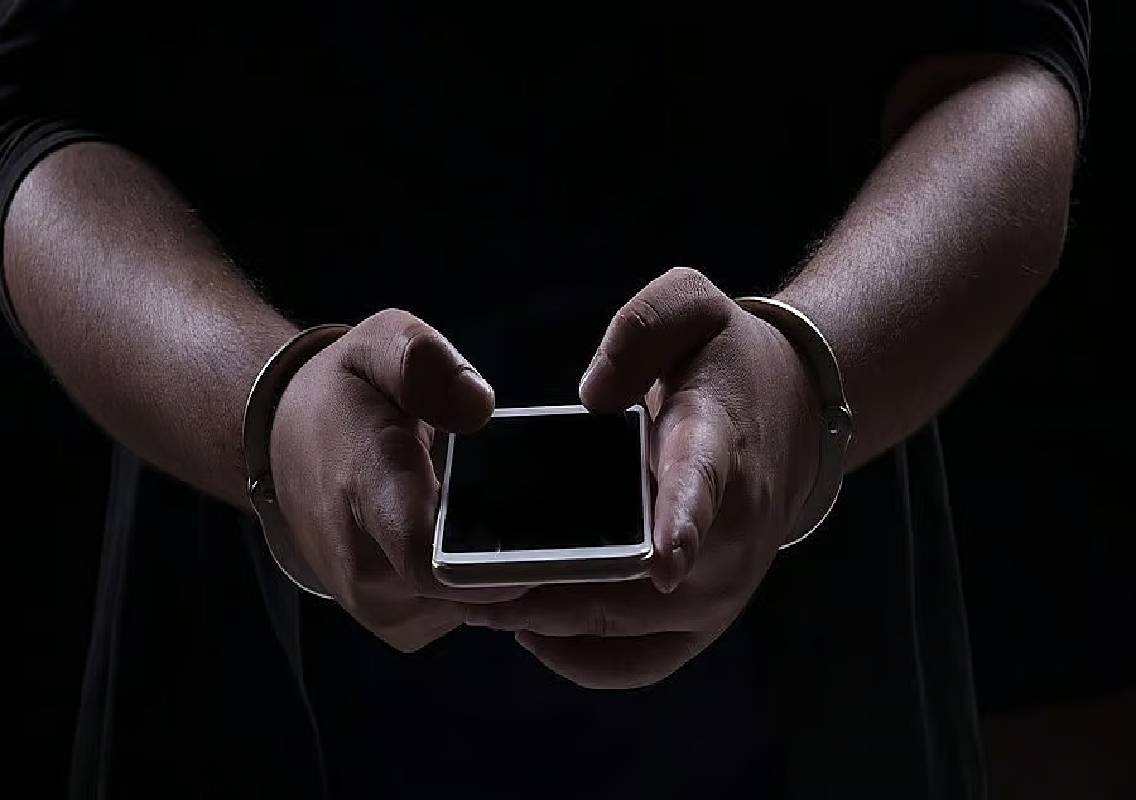


Bengaluru: A man has allegedly been cheated of ₹1.85 lakh after an online dating interaction turned into a blackmail attempt involving an AI-morphed video. The incident highlights how fraudsters can exploit dating platforms, fabricated digital content and threats to a person’s reputation to extort money from victims.
The case centres on the alleged misuse of an online dating interaction to threaten a Bengaluru man with an AI-morphed video. The victim was reportedly pressured to pay money after the fabricated video was used as leverage.
Such scams exploit the fear that private or intimate material could be circulated among family members, friends, colleagues or on social media. Fraudsters may use fabricated profiles, manipulated images or videos, and repeated threats to pressure victims into making payments.
In this case, the reported amount involved is ₹1.85 lakh. The precise sequence of events, the platform used and the identity of the person behind the online profile could not be independently verified from the available reporting.
How AI-Morphed Content Can Be Used for Blackmail
Artificial intelligence tools can make it easier to manipulate photographs and videos to create misleading depictions of real people. When such material is presented as genuine, scammers can exploit the victim’s fear of embarrassment or reputational damage.
In dating-related fraud, an interaction that initially appears genuine may develop into a demand for money. The person behind the profile may threaten to circulate fabricated or intimate-looking content unless the victim pays.
The use of AI-generated or manipulated material adds another layer of deception because victims may struggle to convince others that the content is false. Even when a video is fabricated, the threat of its circulation can cause considerable distress.
However, the use of AI in a particular incident should be established through the complaint, investigation or technical examination. The reported allegation of an AI-morphed video does not, by itself, establish who created it or how it was produced.
Why Online Dating Users Need to Be Cautious
Cybersecurity experts regularly warn users against sharing sensitive photographs, videos, financial information or personal details with people they have not independently verified online.
Users should be especially cautious when an online contact quickly asks to move conversations to another platform, pressures them into intimate interactions, or begins demanding money after obtaining personal information or recordings.
A profile picture, video call or apparently authentic conversation does not necessarily establish the identity of the person on the other side. Images and videos can be manipulated, while fake accounts may be designed to build trust before a blackmail attempt.
People who encounter suspicious demands should preserve relevant evidence, including messages, account details, payment information and screenshots. They should avoid making further payments in response to threats and report the matter to the police or the appropriate cybercrime authorities.
Reporting Online Extortion in India
Victims of online blackmail and financial cybercrime can report incidents through the National Cyber Crime Reporting Portal at cybercrime.gov.in. For financial cyber fraud, the national helpline 1930 can be contacted promptly to report the transaction and seek assistance.
Quick reporting may help authorities trace payment trails and take appropriate steps. Victims should retain transaction IDs, bank messages, chat histories, phone numbers and links to the relevant profiles, as these may assist an investigation.
People targeted by threats involving fabricated intimate content should also report the accounts and content to the relevant platform. They should avoid forwarding or publicly reposting the material, as doing so could increase its circulation.
A Reminder About AI-Enabled Cybercrime
The reported Bengaluru case highlights the risks associated with online impersonation, digital manipulation and extortion. As AI tools become more accessible, fabricated media can be used to make threats appear credible even when the underlying content is not authentic.
The reported loss of ₹1.85 lakh underlines the financial consequences such schemes can have. At the same time, the details of the case must be treated as allegations unless established by investigators.
Users are advised to verify online contacts, protect sensitive material and seek help from law enforcement rather than giving in to threats. Awareness, prompt reporting and the preservation of digital evidence remain important steps in responding to online extortion.