







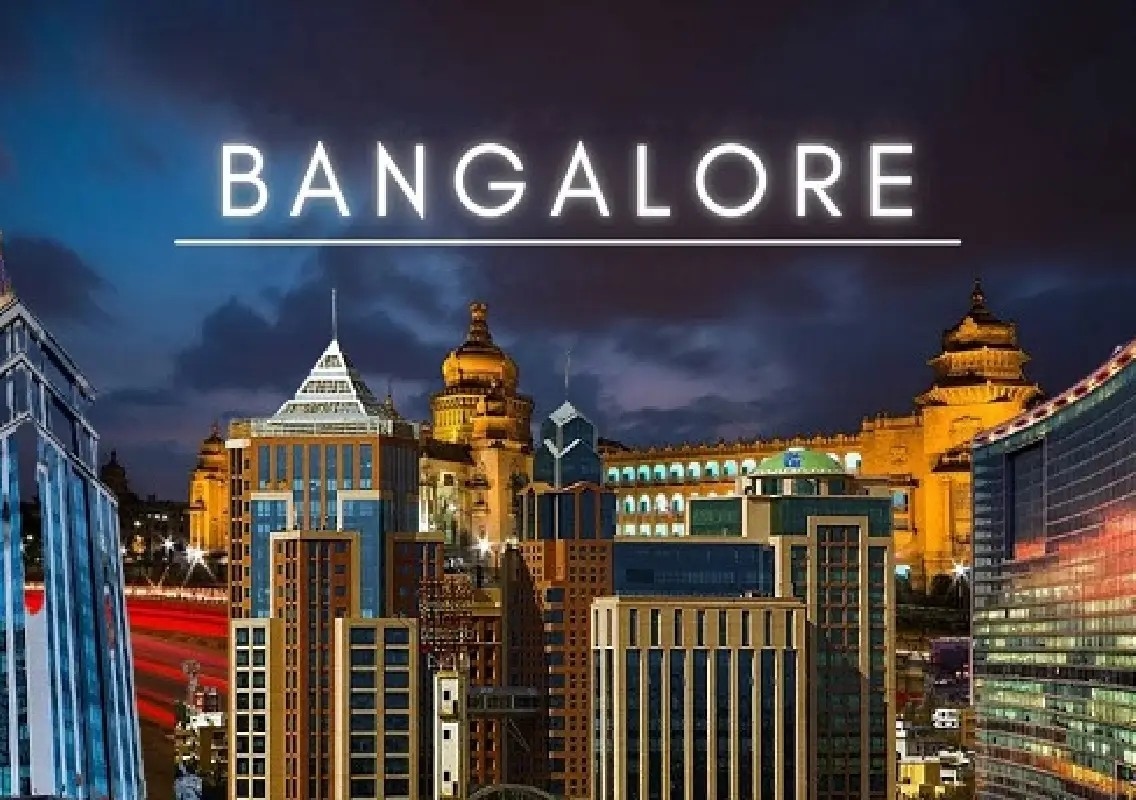


Bengaluru has secured the third position in the City Style Quotient (CSQ) 2026 rankings, earning recognition as India’s “Conscious Style Capital” and “Trend Uptake Leader” in a study that assessed fashion trends and consumer behaviour across 20 Indian cities.
The ranking, released by A Diamond Is Forever India by De Beers, evaluated cities using factors such as digital conversations, media visibility, retail activity, trend adoption and sustainable fashion practices.
Bengaluru shines for sustainable fashion
Scoring 90.2 out of 100, Bengaluru finished behind Mumbai, which topped the rankings with 96.1 points, and Delhi, which secured second place with 93.5 points.
The study highlighted Bengaluru’s growing reputation for sustainable fashion, homegrown brands and conscious consumer choices. While the city is widely known as India’s technology hub, researchers noted that it has quietly developed a distinctive fashion identity driven by responsible purchasing habits and emerging local labels.
Bengaluru was also recognised as the country’s leading city for adopting new fashion trends, reflecting the influence of its young and diverse population.
Mumbai and Delhi dominate overall rankings
Mumbai emerged as India’s Most Fashionable City Overall, while Delhi earned titles including Most Fashion Curious City and Everyday Style City.
Other cities featured prominently in the rankings as well. Kolkata secured fourth place with a score of 85, while Chandigarh rounded out the top five with 82.2 points.
Chennai, although outside the top five, was named India’s Jewellery Style Capital, reflecting its longstanding association with traditional and contemporary jewellery culture.
Study covered 20 Indian cities
According to the organisers, the City Style Quotient 2026 examined cities across different regions of the country, including major metropolitan centres, tier-two cities, heritage destinations and northeastern urban centres.
The rankings were based on 10 parameters, including search demand, retail performance, celebrity influence, designer presence, digital engagement and sustainable fashion adoption.
The findings underline how India’s fashion landscape is increasingly being shaped by diverse regional influences, with cities such as Bengaluru emerging as trendsetters in areas beyond conventional style metrics