







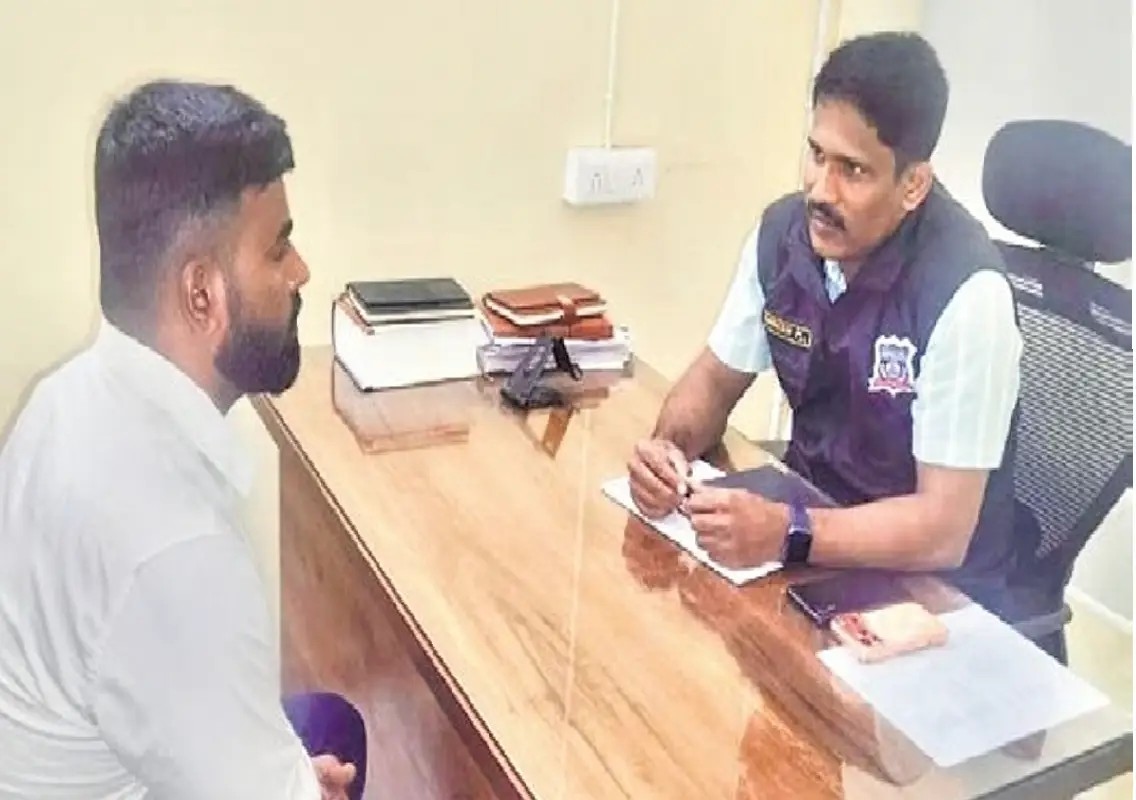


Bengaluru: In a first-of-its-kind initiative, the Central Crime Branch (CCB) of the Bengaluru City Police has started one-on-one counselling sessions for rowdy-sheeters to help reform them and facilitate their reintegration into society.
The programme is being implemented under the guidance of City Police Commissioner Seemanth Kumar Singh and Additional Commissioner of Police (Crime) Ajay Hilori, with a focus on giving deserving offenders a second chance.
Initiative focuses on rehabilitation
Speaking about the initiative, Commissioner Seemanth Kumar Singh said the police have categorised rowdy-sheeters and selected individuals who appear suitable for rehabilitation.
He said the objective is to reform those who were drawn into crime due to difficult circumstances and have not been involved in criminal activities for a long time.
“As some of them have not been involved in crime for many years, they deserve an opportunity to rebuild their lives, and the ‘rowdy’ tag should be removed,” he said.
Counselling extended to family members
Deputy Commissioner of Police (Crime-I) Srihari Babu B.L., who conceived the programme, said the initiative primarily targets individuals who have only two or three criminal cases against them and have remained crime-free for years.
Police are also counselling family members to better understand the individual’s behaviour, personal circumstances and social environment before assessing their rehabilitation.
Each counselling session lasts at least two hours and may extend up to four hours, depending on the person’s background and response.
Employment support for reformed offenders
The CCB is also exploring employment opportunities for participants who show genuine signs of reform, aiming to help them lead stable and law-abiding lives.
The sessions are being conducted by inspectors from the East and West divisions at the CCB Organised Crime Wing office.
Officials said several individuals currently on the rowdy-sheeters’ list have not been involved in any criminal activity for over a decade, making them suitable candidates for rehabilitation rather than continued surveillance.
The initiative reflects Bengaluru Police’s shift towards a reform-oriented policing model that balances law enforcement with social rehabilitation.