







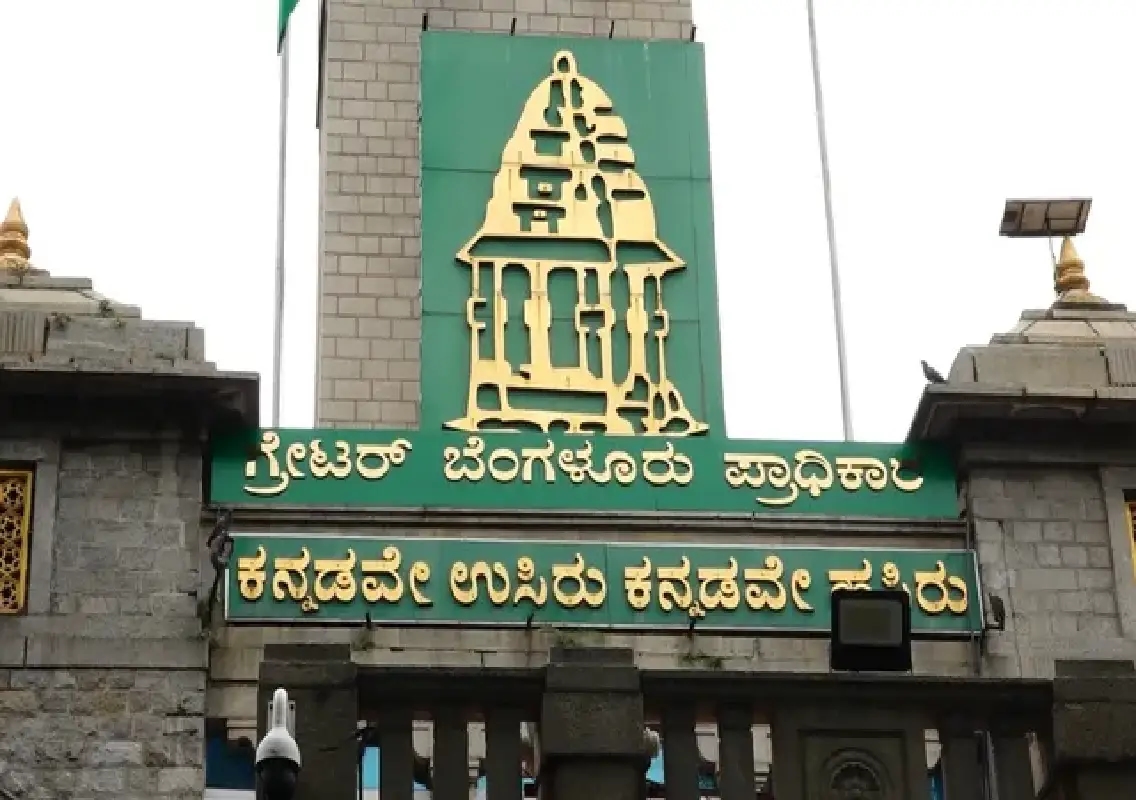


Bengaluru: The Greater Bengaluru Authority (GBA) has prepared Ward-Level Climate Action Plans for five selected wards across the city as part of a pilot initiative aimed at decentralised and area-specific climate planning, Chief Commissioner Maheshwar Rao said on Saturday.
Speaking at a review meeting held at the GBA Head Office, Rao said the new framework shifts climate planning from a city-wide general approach to ward-level micro planning, allowing local challenges to be studied in detail and addressed with targeted interventions. The plans are designed to be practical and implementable, with scope for integration into the annual budget estimates of the respective city corporations.
One ward from each of the five City Corporations under the GBA’s jurisdiction has been selected for the pilot phase.
Five wards selected across city zones
Officials said the selected wards represent different geographical and urban characteristics across the city’s administrative zones. The five wards chosen for the pilot climate action planning are:
- Shantinagar (Central zone)
- Jakkur (North zone)
- Begur (South zone)
- Vijayanapura (East zone)
- Nalwadi Krishnaraja Wadiyar Ward (West zone)
By selecting wards across zones, the authority aims to test how climate strategies perform under varied urban conditions such as dense commercial areas, expanding residential layouts, mixed land-use zones and peripheral growth corridors.
Rao said ward-level planning enables authorities to identify hyperlocal risks such as flooding pockets, heat stress zones, waste hotspots and traffic-linked pollution clusters, which may not be adequately addressed through city-wide policy alone.
Sector-wise studies guided plan preparation
The Ward-Level Climate Action Plans were prepared under the GBA Climate Action Cell with the support of sectoral working groups and domain experts. Officials carried out detailed sector-wise assessments before drafting the plans.
The studies covered multiple urban systems that directly influence climate resilience and emissions. These include:
- Energy use and building efficiency
- Transportation and mobility patterns
- Solid waste management systems
- Urban planning and land use
- Green cover and biodiversity
- Water supply and conservation
- Wastewater and stormwater management
- Disaster preparedness and response capacity
Based on these assessments, each selected ward now has a tailored climate action roadmap with suggested mitigation and adaptation measures. These include improving energy efficiency in buildings, promoting non-motorised transport, strengthening waste segregation, expanding local green spaces, improving drainage networks and enhancing emergency preparedness.
Integration with budgets and local works
The Chief Commissioner stressed that climate action must not remain a policy document but should be embedded into routine governance and budgeting processes. He said ward-level plans would help local bodies align climate priorities with yearly development works and budget allocations.
Officials noted that this approach will help ensure that climate-responsive infrastructure — such as improved stormwater drains, urban tree planting, cool-roof initiatives, decentralised waste processing and water recharge structures — can be funded and executed through regular municipal channels rather than standalone projects.
The GBA is expected to review implementation progress periodically and refine the framework before expanding it to more wards.
Technical and IEC cells to support rollout
To strengthen execution and monitoring, Rao directed the formation of a dedicated Technical Cell under the climate initiative. This cell will provide scientific and analytical support, including data modelling, project evaluation, technical guidance and performance monitoring.
The Technical Cell is expected to assist ward officials in translating climate goals into engineering designs, measurable indicators and time-bound projects.
In addition, he instructed officials to set up an Information, Education and Communication (IEC) Cell to build awareness and encourage citizen participation at the ward level. The IEC Cell will focus on community outreach, behavioural change campaigns and local engagement on issues such as energy conservation, waste segregation, water saving and urban greening.
Conclusion
The ward-level climate action initiative marks a shift towards decentralised urban climate governance in Bengaluru. If successful, the pilot across five wards could serve as a model for scaling hyperlocal climate planning across the entire metropolitan area, linking environmental resilience directly with neighbourhood-level administration and budgeting.