







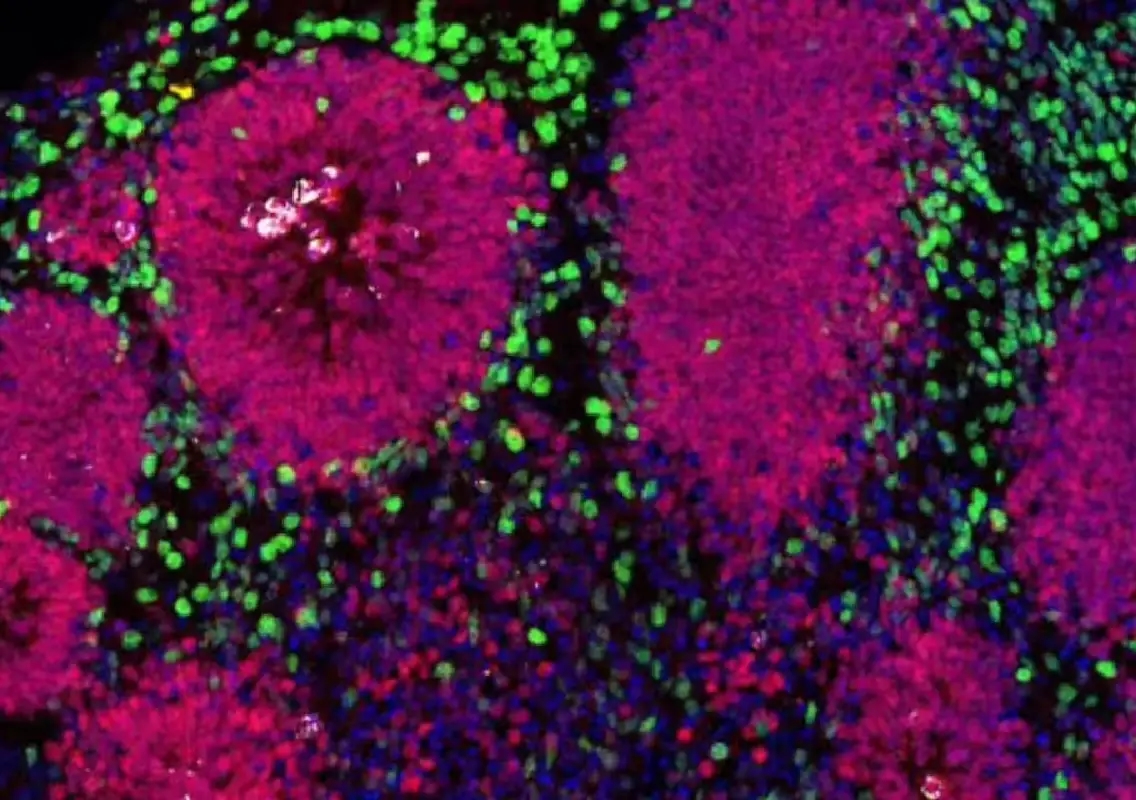


In a breakthrough that could pave the way for personalised treatments for rare brain disorders, researchers at the National Centre for Biological Sciences (NCBS) in Bengaluru have identified how abnormal lipid levels in the brain cause neurological defects in patients with Lowe Syndrome (LS) — a rare genetic disorder that impacts the brain, eyes, and kidneys.
The study, conducted in collaboration with the Rohini Nilekani Centre for Brain and Mind (CBM), marks the first time in India that scientists have developed a cellular model system to study Lowe Syndrome at the molecular level. The findings have been published in the journal EMBO Molecular Medicine.
A rare disorder with global implications
Lowe Syndrome affects about one in five lakh people globally, though its prevalence in India remains undetermined. The disorder is caused by mutations in the OCRL gene, which encodes an enzyme responsible for regulating phospholipids — essential molecules that help maintain cell structure and communication.
In LS patients, this enzyme fails to break down a lipid known as PI(4,5)P2, leading to its abnormal accumulation in the brain.
“Elevated PI(4,5)P2 levels interfere with smooth communication between nerve cells and cause an early increase in astrocytes — another type of brain cell. This imbalance disrupts normal brain development,” explained Yojet Sharma, a PhD scholar at NCBS and lead author of the study.
Building the human brain in a dish
To understand these cellular changes, the researchers used stem cell technology to reprogramme blood samples from an affected family into human-induced pluripotent stem cells (iPSCs).
These iPSCs were then grown into three-dimensional brain organoids, or miniature brain-like structures, to replicate early stages of human brain development.
After about a month, the scientists noticed that neurons derived from LS patients struggled to send electrical signals effectively, while astrocyte numbers were abnormally high, signalling disrupted brain activity.
Drug intervention shows promise
The research team also tested a repurposed drug known to influence lipid metabolism. Remarkably, within just a week of treatment, the drug helped reduce lipid buildup and restore neuronal communication in the lab-grown brain organoids.
“This is an important step in using patient-derived models to understand neurological disorders at a cellular level,” said Professor Raghu Padinjat of NCBS, co-author of the study.
He added, “Our model shows how stem cell–based systems can recreate early brain development in the lab and help researchers and clinicians explore new therapeutic options for diseases like Lowe Syndrome.”
Hope for personalised medicine
The findings hold significant potential for developing targeted therapies for rare genetic conditions. With the ability to recreate disease mechanisms in a lab setting, researchers can test drugs more precisely and design personalised treatments based on individual genetic profiles.
Experts say the NCBS study not only enhances scientific understanding of LS but also establishes a platform for future research into other complex neurological disorders rooted in lipid metabolism.