


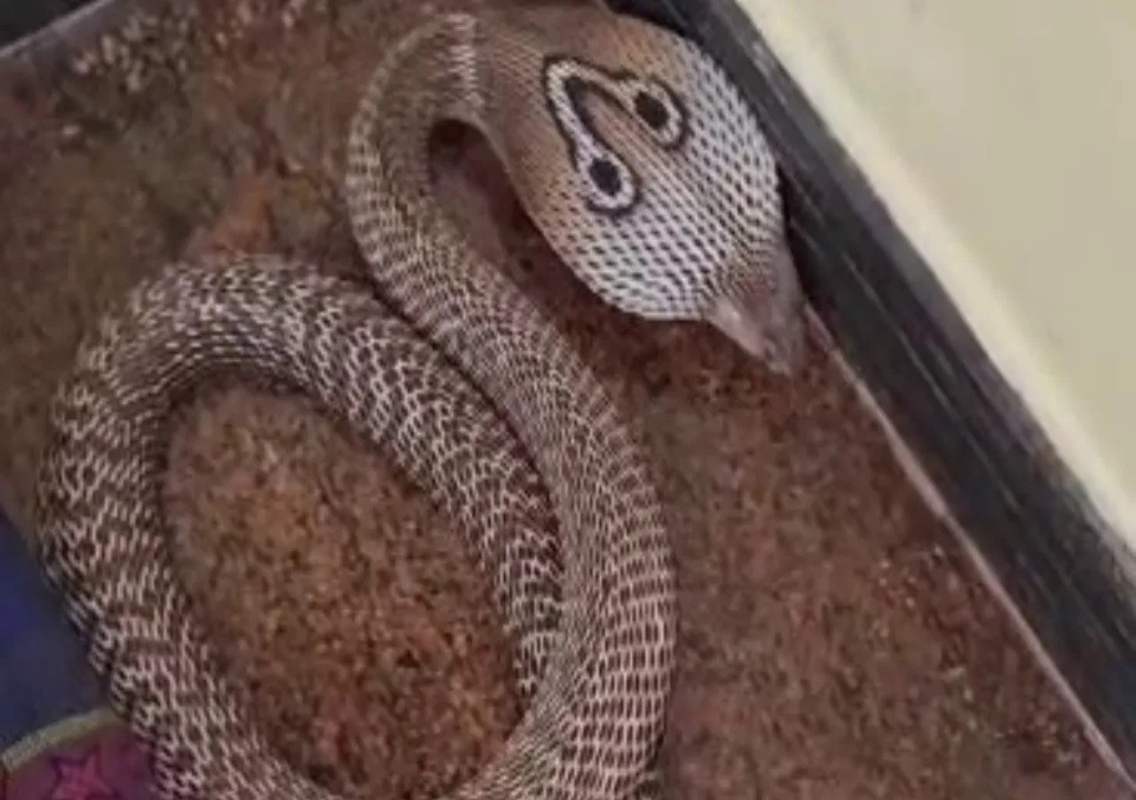


Bengaluru: Snake sightings are increasing across Bengaluru as rainfall recedes and temperatures rise, with reptiles reportedly entering homes and appearing near everyday household items such as shoe racks, motorcycles, bathrooms and washing machines. The rise in rescue requests has raised concerns about public safety and the growing contact between people and wildlife in the expanding city.
More than 200 calls seeking snake-rescue assistance were reportedly received by the Bruhat Bengaluru Mahanagara Palike (BBMP) helpline, police emergency number 100 and fire and emergency services over three days.
The concern extends beyond Bengaluru. Karnataka recorded 702 snakebite cases and six deaths in the past week, according to the figures provided in the report. Since January, the state has registered 17,608 snakebite cases and 205 deaths, highlighting the need for awareness, safe rescue practices and prompt medical treatment.
Snake encounters reported in residential areas
Residents in several Bengaluru neighbourhoods have reportedly encountered snakes in and around their homes. Cobras, Russell’s vipers, water snakes and kraits are among the species being spotted in residential areas.
Snakes may enter homes while seeking shelter, prey or suitable environmental conditions. Gardens, cluttered storage spaces, gaps around buildings and areas close to vegetation can provide places where reptiles may hide.
The reported increase in sightings has prompted trained rescuers to respond to calls from residents. Their work involves removing snakes from homes and neighbourhoods while minimising risks to both people and the animals.
However, a snake sighting does not necessarily mean that the reptile is actively threatening residents. The safest response is to keep a distance, prevent others from approaching the animal and seek assistance from trained personnel.
Urban development brings people and wildlife closer
Experts have attributed the increase in encounters partly to rapid urban development and the loss or fragmentation of natural habitats.
Neighbourhoods such as Vidyaranyapura, Nagarabhavi, Rajarajeshwari Nagar, Yelahanka, JP Nagar and Sarjapur have experienced substantial construction and urban expansion. As open spaces and natural habitats change, snakes and other wildlife may find themselves closer to residential buildings.
Construction does not automatically cause every snake sighting, and seasonal conditions can also influence reptile movement. However, changes to vegetation, drainage systems and available shelter can alter where snakes live and travel.
Snakes also play an important ecological role, including helping control populations of rodents and other small animals. Their presence in urban areas is therefore a wildlife-management issue as well as a public-safety concern.
Reducing unnecessary encounters requires awareness, responsible building maintenance and access to trained rescue services rather than attempts to kill or capture reptiles.
Rescue calls put pressure on trained personnel
The reported volume of calls has placed additional demands on snake rescuers, who are being asked to respond to incidents in homes and neighbourhoods.
Experts have warned people against trying to catch snakes themselves, particularly when attempting to film videos or create social media reels. Handling an unfamiliar snake can expose a person to a potentially fatal bite, even when the animal appears inactive or small.
Residents should avoid provoking the reptile, crowding around it or attempting to trap it using household objects. They should keep children and pets away, maintain a safe distance and contact local emergency services or a trained snake rescuer.
If the snake is inside a room, people should leave the area if they can do so safely and prevent others from entering. They should not attempt to move furniture or reach into concealed spaces where the animal may be hiding.
Karnataka reports 702 snakebite cases in one week
The reported 702 snakebite cases and six deaths in Karnataka over the past week underline the potential consequences of unsafe encounters.
The cumulative figures since January—17,608 cases and 205 deaths—also demonstrate the importance of timely access to medical care, particularly in areas where residents may encounter venomous snakes.
Not every snakebite involves a venomous species, and symptoms alone cannot reliably establish whether venom has been injected. A bite should therefore be treated as a medical emergency rather than assessed at home.
People should not attempt to catch or kill the snake to identify it. Medical professionals can assess the patient and determine whether antivenom or other treatment is required.
Health Department stresses antivenom availability
The Health Department has directed district hospitals and primary health centres to maintain adequate stocks of anti-snake venom and ensure prompt treatment for snakebite victims.
Health Minister UT Khader has instructed officials to facilitate timely medical care, according to the information provided.
Antivenom is a critical treatment for bites involving venomous snakes when clinically indicated. Its appropriate use requires medical assessment and monitoring, making it essential for victims to reach a healthcare facility without delay.
People should not wait for severe symptoms to develop before seeking treatment. They should also avoid traditional remedies, cutting the wound, sucking out venom, applying ice or using tight tourniquets, as these measures can cause harm or delay effective care.
What residents should do if a snake enters a home
Residents can reduce the risk of an encounter by keeping storage areas tidy, checking footwear before putting it on, reducing clutter near entrances and maintaining gardens and surrounding spaces. These precautions cannot eliminate the possibility of a snake entering a property, but they may reduce hiding places and accidental contact.
If a snake is spotted, residents should:
- Keep a safe distance and avoid touching, provoking or cornering it.
- Move children and pets away from the area.
- Contact local emergency services or a trained snake rescuer.
- Avoid attempting to capture, kill or identify the snake at close range.
- If someone is bitten, arrange immediate transport to a hospital and keep the person as calm and still as possible.
The reported increase in Bengaluru rescue calls and Karnataka’s snakebite figures point to the need for coordinated public awareness, trained rescue support and accessible medical treatment. As urban development continues, residents are being urged to respond cautiously to snake sightings and leave handling to trained professionals.