







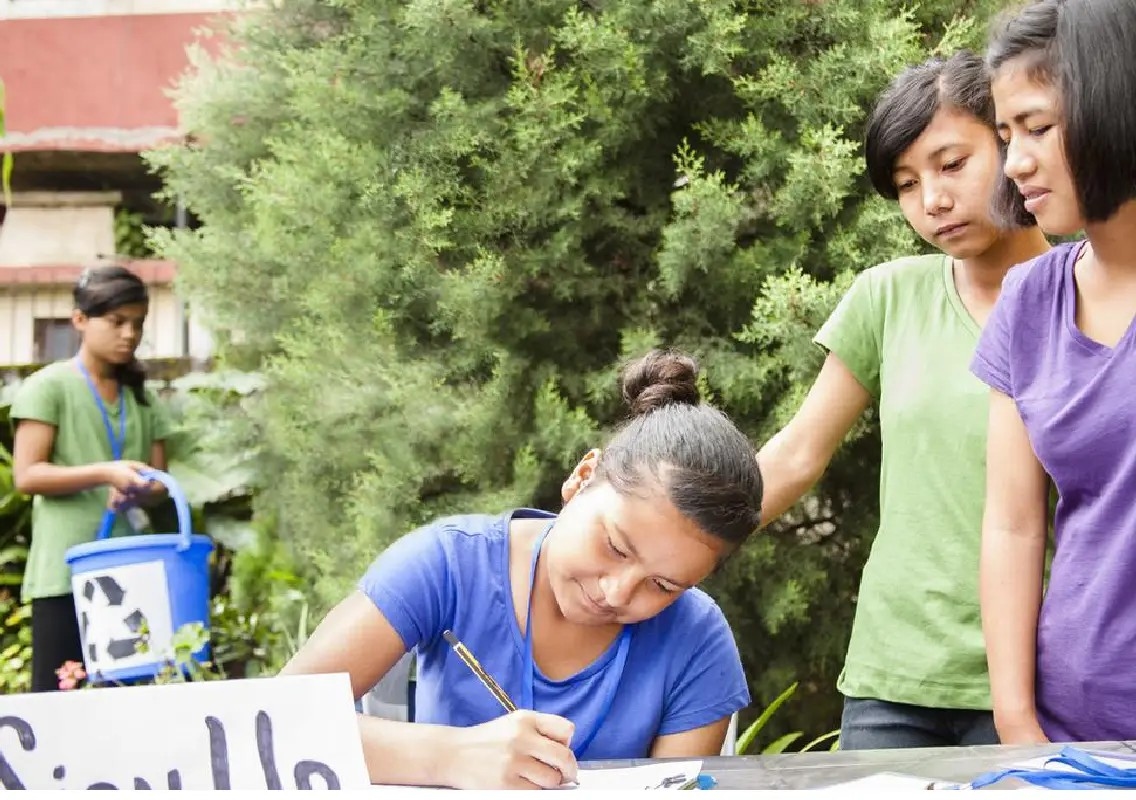


When students at Cambridge School were asked to calculate their school’s carbon footprint, what began as a classroom exercise soon became a meaningful environmental movement.
Instead of treating the task as routine homework, students started identifying emissions sources hidden in daily campus life.
Students noticed waste around them
They tracked lights left switched on, unattended electrical systems still running and the total energy being consumed across the institution.
What they discovered changed their perspective on how small habits contribute to larger environmental challenges.
Teachers said the project encouraged students to look beyond theory and understand climate responsibility through everyday actions.
Green ideas spread across campus
Following the exercise, students helped create vertical gardens across the campus and developed green corners inside classrooms.
The school also launched a wider “Go Green Campus Drive”, encouraging participation from students, staff and the broader school community.
The initiative reportedly inspired simple but practical habits such as switching off unused lights, reducing waste and caring for plants.
Learning through action
Educators say climate awareness often remains limited to textbooks or one-time campaigns. However, projects linked to real surroundings can create stronger and more lasting behavioural change.
By measuring their own school’s footprint, students were able to see how personal responsibility connects with environmental sustainability.
Message for other schools
The Bengaluru example shows how educational institutions can become centres of climate action when students are trusted with real responsibility.
Small changes in schools can create habits that students carry into homes and communities, multiplying long-term impact.
As climate concerns grow globally, such youth-led initiatives offer hope through action rather than awareness alone.
#Bengaluru #ClimateAction #Students #Education #Sustainability #newskarnataka