







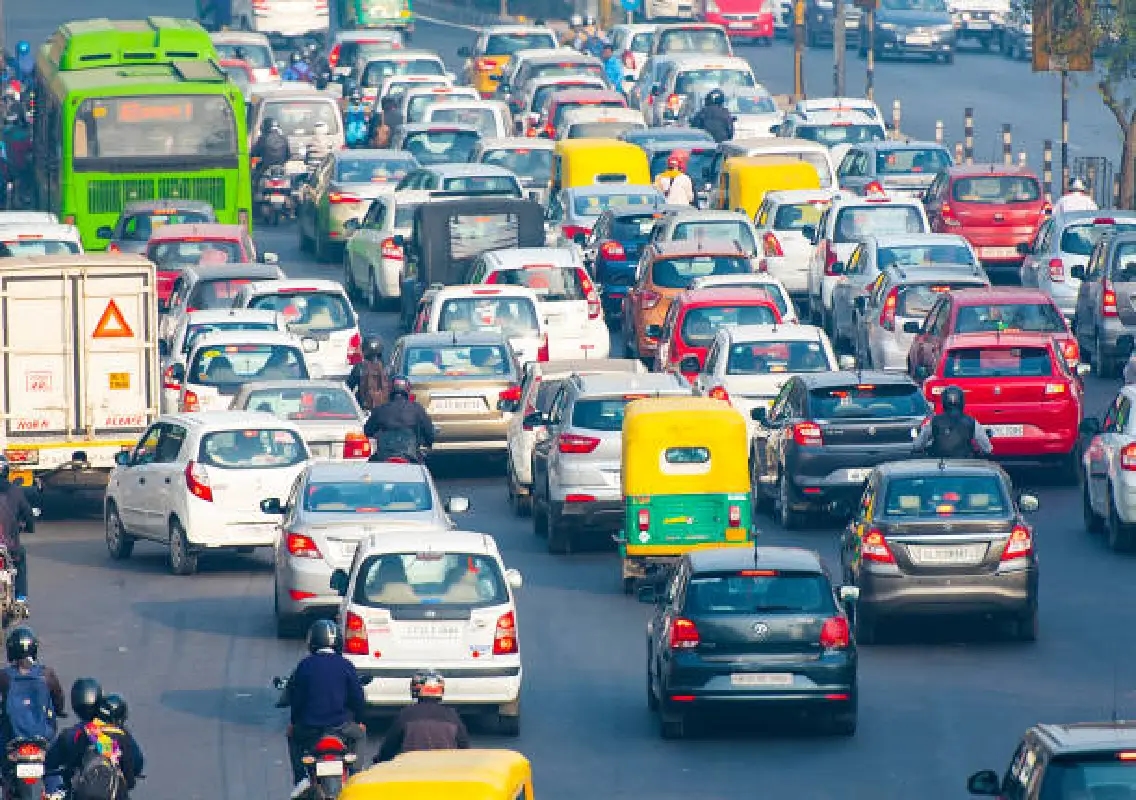


Bengaluru: In a city globally notorious for its traffic congestion, a Bengaluru-based tech professional has triggered a viral online debate by claiming that the city’s gridlock unexpectedly led to a healthier lifestyle. Sharing his experience on Reddit, the commuter said that enduring a gruelling daily commute eventually forced him to rethink his work habits, fitness routine and overall approach to life, resulting in measurable health improvements.
The post, titled “Unpopular opinion: Bengaluru’s traffic actually made me healthier,” quickly gained traction across social media platforms, resonating with thousands of netizens who either related to the struggle or strongly disagreed with the conclusion. The discussion has since evolved into a wider conversation about work-from-home culture, urban stress and the hidden health costs of long commutes.
A commute that changed priorities
The techie recounted commuting daily between Whitefield and Koramangala, a distance that often took around 90 minutes each way even on relatively good days. Like many professionals in the city’s IT sector, he said the three-hour daily round-trip left him exhausted, stressed and unable to maintain healthy habits.
“I was constantly stressed, eating at my desk, zero exercise,” he wrote, describing a routine that many office-goers in Bengaluru are familiar with. Long hours on the road meant skipped workouts, irregular meals and little personal time, contributing to declining physical and mental health.
After years of frustration, he decided to stop “fighting” the traffic. Instead of attempting to optimise his commute, he chose to redesign his lifestyle around the reality of congestion.
Lifestyle overhaul instead of traffic solutions
The commuter said the turning point came when he opted for a hybrid work model, working from home three days a week. This single change freed up several hours each week, allowing him to focus on personal well-being rather than travel logistics.
He also made smaller but consistent changes, such as walking to nearby restaurants instead of ordering food to his desk and joining a gym close to his residence. By committing to early-morning workouts at 6 am, he was able to exercise before work without worrying about traffic later in the day.
“The traffic didn’t get better. I just stopped fighting it,” he wrote. According to him, the results were dramatic. He claimed to be fitter than he was at the age of 25, with his resting heart rate dropping from 82 to 64 beats per minute. He also said he lost 8 kg without consciously dieting, attributing the weight loss to increased activity and reduced stress.
Viral reactions and divided opinions
The post sparked widespread reactions online, with many users questioning whether traffic deserved any credit at all for the health transformation. Several commenters argued that it was not congestion but the flexibility of working from home that made the difference.
“The traffic did not make you healthier. The WFH did,” one user wrote, adding that the story reinforced the need for remote work in cities like Bengaluru. Another commenter echoed this sentiment, saying that eliminating commute time allowed people to redirect energy towards fitness and self-care.
Others, however, shared similar experiences of becoming healthier by adapting to urban constraints rather than resisting them. One user said he sold his bike and started walking everywhere, which helped bring his cholesterol levels back to normal. Another noted that daily walking and public transport had improved his overall health, even reducing issues like hair fall, which he attributed to better blood circulation and physical activity.
A reflection of urban life pressures
Urban planners and health experts have long warned about the impact of extended commutes on physical and mental well-being. Studies have linked long travel times to higher stress levels, poor sleep, reduced physical activity and increased risk of lifestyle diseases.
Bengaluru, with its rapid urbanisation and infrastructure lag, has consistently ranked among the most congested cities in the world. For many residents, daily travel consumes a significant portion of their waking hours, leaving little time for exercise, family or rest.
The viral post has reignited conversations about whether individuals should adapt their lifestyles to urban realities or whether systemic changes, such as improved public transport and flexible work policies, are the real solution.
Work culture under scrutiny
The debate has also highlighted shifting attitudes towards work culture in India’s tech hubs. The pandemic normalised work-from-home and hybrid models, prompting employees to reassess priorities around health and work-life balance.
Many social media users said the post underscored how rigid office attendance policies can indirectly harm employee health. They argued that organisations should consider long-term productivity and well-being rather than focusing solely on physical presence.
Conclusion
While few would argue that traffic congestion is beneficial in itself, the Bengaluru techie’s viral post has struck a chord by showing how adversity can sometimes prompt positive change. Whether the credit lies with traffic, work-from-home flexibility or personal discipline, the story has sparked a broader reflection on how city dwellers can reclaim their health in challenging urban environments. As Bengaluru continues to grapple with congestion, the conversation around lifestyle adaptation and systemic reform is likely to grow louder.