







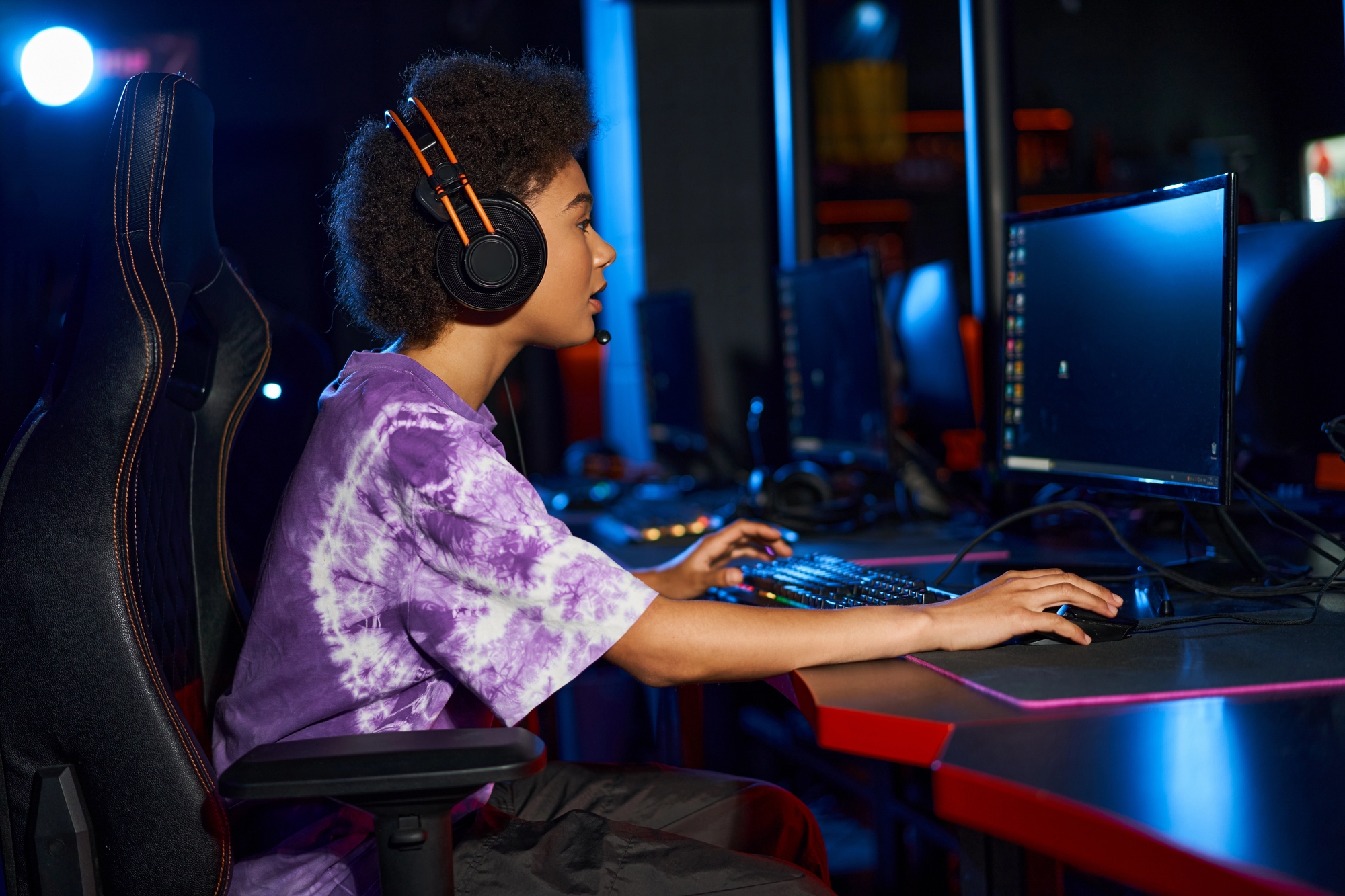


If you’ve ever navigated the bustling streets of Bengaluru during rush hour, you’ll know that the city is defined by its relentless, vibrant energy. Often celebrated as the Silicon Valley of India, Karnataka’s capital is a sprawling hub of technological innovation, filled with software engineers, data analysts and tech startup founders. Yet, when the laptops close and the working day finally ends, a quiet revolution is taking place in how these professionals choose to wind down.
For years, the standard way to relax after a long shift was passive consumption. We’d sit back and stream a television series, browse news portals, or scroll mindlessly through social media feeds. Lately, however, there’s been a noticeable shift in behaviour. Tech professionals in Bengaluru and across wider Karnataka are moving away from passive viewing. Instead, they’re embracing highly interactive, real-time virtual hobbies that require active participation and offer genuine human connection.
The Evolution of Digital Leisure in Karnataka’s Silicon Valley
Historically, Bengaluru was known as a quiet ‘pensioner’s paradise’ with lush gardens and a slower pace of life. The dramatic transition into India’s premier tech capital brought a wave of rapid urbanisation and a highly driven workforce. With this came a demanding work culture, which in turn highlighted the need for meaningful leisure. When you spend your day solving complex algorithmic problems, your brain doesn’t necessarily want to shut down completely when you log off; it simply wants to shift gears.
To understand why this change is happening, we have to look at the unique mindset of Karnataka’s workforce. When you spend your working hours building complex software systems, writing code, or managing digital products, simply sitting in front of a screen watching a pre-recorded show can feel unengaging. Many of us want our leisure time to be intellectually stimulating, social and responsive. We want something that reacts to our choices and allows us to participate rather than just observe.
In trendy neighbourhoods like Indiranagar, Koramangala and HSR Layout, physical board game cafes and pub trivia nights have long been incredibly popular. However, getting across town on a rainy evening in Bengaluru can often be a daunting task. This is where virtual alternatives have stepped in, offering the same social engagement without the long commute.
This desire for active engagement has led to the rise of real-time virtual hobbies. Rather than watching someone else perform, people are choosing to join live interactive spaces. These range from real-time digital quiz nights and live chess tournaments to virtual escape rooms and hosted strategy sessions. The appeal lies in the fact that your actions have an immediate consequence on what happens next. You’re not just a spectator; you’re part of the event itself.
This trend isn’t confined to Bengaluru either. Cities like Mysuru, Mangaluru and Hubballi are also seeing a rise in interactive digital leisure. As remote and hybrid working models remain popular, tech workers who’ve relocated to these scenic regions are bringing their digital habits with them. They want the same high-quality, real-time experiences they enjoyed in the capital, creating a statewide demand for sophisticated digital leisure platforms that feel alive and dynamic.
Infrastructure Fueling the Shift
Of course, none of this would be possible without a massive upgrade in our underlying technology. Real-time digital entertainment is incredibly demanding. If you’re participating in a live-streamed event, even a fraction of a second of lag can completely ruin the experience. It breaks the illusion of co-presence and leaves you feeling frustrated.
When you stream a movie on a traditional platform, your device can buffer the next few minutes of footage in advance. If there’s a brief dip in your internet speed, you’ll never notice because the video is already pre-loaded. With real-time interactive entertainment, buffering is impossible. The action is happening live, and your inputs must be registered instantly.
Fortunately, Karnataka’s telecom infrastructure has been upgrading rapidly to meet this challenge. The expansion of 5G networks across the state, led by major telecom operators, has been a major milestone. We’re seeing incredibly fast mobile data speeds and, more importantly, ultra-low latency. This means data travels from your device to the server and back almost instantly.
At the same time, the rollout of high-speed optical fiber networks has transformed home broadband. Initiatives like BharatNet, alongside private fiber installations, have brought stable, high-bandwidth connections directly into apartments and homes. This robust digital backbone allows for seamless, high-definition data streaming. It ensures that complex, real-time interactive feeds run smoothly without buffering or dropping connection, making the virtual experience feel just as immediate as a real-world interaction.
The Real-Time Interactive Phenomenon
What makes these modern digital platforms feel so alive? The secret lies in the clever technology working behind the scenes. One of the most critical technologies used to bridge the gap between physical reality and digital screens is Optical Character Recognition (OCR).
In live-streamed interactive shows, OCR technology is used to instantly read physical elements, such as cards, numbers on a wheel, or physical tiles, used by a real-life host in a professional studio. The system captures this physical information and translates it into digital data in real time. This allows the digital interface on your phone or laptop to update instantly, matching exactly what the human host is doing on camera.
To make these broadcasts feel truly immediate, studios rely on advanced communication protocols such as WebRTC (Web Real-Time Communication). This technology allows video and audio data to be transmitted directly between browsers and servers without the need for complex plugins, ensuring that the delay between the studio and your screen is less than a second.
When you combine this with high-definition studio broadcasts, the result is incredibly immersive. Professional presenters host these sessions from state-of-the-art studios, using multiple camera angles and professional lighting. They can see chat messages from participants on their own screens, allowing them to respond to questions, offer congratulations, or simply have a friendly chat. This real-time human interaction makes the experience feel authentic and personal, a far cry from the solitary feeling of traditional digital interfaces.
The Gamification of Nostalgia
Another fascinating aspect of this digital evolution is how platforms are tapping into our love for nostalgia. As our lives become more digital, there’s a natural craving for things that feel familiar and comforting. Many of us look back fondly on the weekends we spent playing board games with friends or family. Reimagining these classic board games into spectacular, live-streamed show formats has become a major trend.
By combining nostalgic gameplay with modern broadcasting technology, developers have created a brand-new genre of entertainment. This trend is beautifully demonstrated when we look at how classic board game titles are transformed into premium, live-hosted digital environments. For instance, the immersive live casino experience on platforms like Monopoly Casino showcases how low-latency gaming technology, live presenters and digital interfaces can blend together seamlessly. It turns what was once a quiet family board game into a dynamic, real-time group activity, where players can watch the physical host interact with virtual elements on screen.
While exploring these real-time platforms, it’s always important to participate responsibly. Setting clear limits on both time and spending, keeping track of your activities and treating these platforms purely as a form of light leisure ensures that your digital entertainment remains a safe and positive experience.
Ultimately, the rise of real-time digital entertainment in Karnataka is a testament to how technology can bring people together. By combining fast 5G networks, advanced OCR technology and a bit of creative nostalgia, developers have created a whole new way for us to connect, play and relax. As these technologies continue to mature, the line between our physical and digital leisure spaces will only become more wonderfully blurred.