


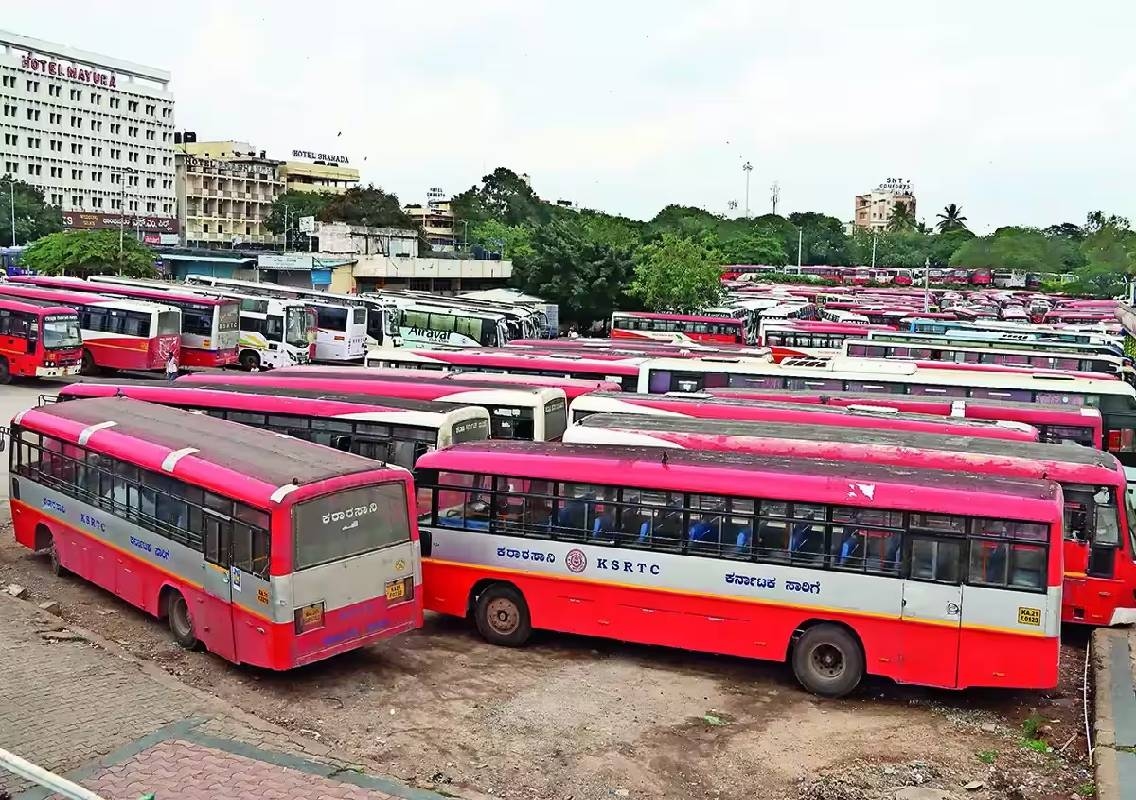


Bengaluru: Bus travel has become more expensive across Karnataka after the State government announced a fare revision for all four state-run transport corporations — Bengaluru Metropolitan Transport Corporation (BMTC), Karnataka State Road Transport Corporation (KSRTC), North Western Karnataka Road Transport Corporation (NWKRTC) and Kalyana Karnataka Road Transport Corporation (KKRTC).
The revised fares came into effect from midnight on November 4, 2026. The average increase is around 23% for KSRTC, NWKRTC and KKRTC services, while BMTC fares in Bengaluru have increased by approximately 33% to 35%. The revision covers ordinary, express, long-distance and airport bus services.
The announcement was made by Transport Minister Byrathi Suresh on Wednesday. The government said the increase was necessary to address rising operating costs and the financial difficulties faced by the four transport corporations.
BMTC fares increase in Bengaluru
BMTC commuters will face higher ticket prices for both ordinary and air-conditioned services. The minimum fare on ordinary BMTC buses has increased from ₹6 to ₹10, while the maximum fare has gone up from ₹35 to ₹45.
Passengers using air-conditioned Vajra services will also pay more. The maximum fare has increased from ₹75 to ₹90. For Vayu Vajra airport services, the maximum fare has been revised from ₹405 to ₹425.
The increase varies according to the distance travelled and the category of service. For ordinary BMTC journeys of up to 2 km, the increase is ₹4, while journeys between 2 km and 4 km will cost ₹6 more. Longer journeys will see an increase of up to ₹12.
For Vajra services, fares have increased by ₹5 for journeys up to 6 km and by ₹10 for journeys between 6 km and 18 km. The maximum increase for longer journeys is ₹15.
KSRTC, NWKRTC and KKRTC fares revised
Passengers travelling on KSRTC, NWKRTC and KKRTC buses will face an average fare increase of 23%. The actual increase depends on the distance, route and type of bus.
On ordinary KSRTC services, the fare increase can be as much as ₹9. For example, the fare from Bengaluru to Nelamangala has increased from ₹35 to ₹44, while the fare to Doddaballapur has gone up from ₹38 to ₹47.
On KSRTC Express services, the fare from Bengaluru to Kolar and Tumakuru has increased from ₹81 to ₹100. The revised rates also cover long-distance and premium services.
The Bengaluru–Mysuru journey has become costlier, with the fare increasing from ₹160 to ₹197 — a rise of ₹37.
Government cites rising operating costs
Explaining the decision, Transport Minister Byrathi Suresh said the fare revision was necessary because of increasing diesel prices, employee salaries, dearness allowance, spare parts costs and bus maintenance expenditure.
According to the minister, around 80% of the transport corporations’ expenditure goes towards diesel and staff-related costs. The corporations have been facing mounting financial pressure, with their combined annual losses estimated at around ₹2,000 crore.
The minister also said the four corporations had sought much steeper increases. BMTC had reportedly sought a fare hike of up to 90%, while the other corporations had proposed increases of around 32% to 34%.
A Public Transport Fare Regulatory Committee, headed by retired IAS officer Atul Kumar Tiwari, examined the proposals and submitted its report to the government on October 6. The committee’s recommendations included a higher increase than the government ultimately approved.
Shakti scheme not responsible for fare hike
The minister clarified that the fare revision was not linked to the State government’s Shakti scheme, which provides free bus travel to eligible women in non-luxury government buses within Karnataka.
He said the government reimburses the transport corporations for the tickets issued under the scheme. However, delays in reimbursement payments have contributed to outstanding dues.
The minister stated that the government had paid ₹16,589 crore towards Shakti scheme reimbursements, while approximately ₹5,000 crore remained pending. He also said that around 74.40 lakh women travel free every day under the scheme.
Commuters to bear higher travel expenses
The revised fares are expected to affect daily commuters, office-goers, students and passengers travelling between cities. Those who regularly depend on public transport will have to account for the additional expense in their monthly travel budgets.
While the government has defended the increase as a measure to support the financial stability of the transport corporations, passengers will now have to pay more for both short-distance city journeys and longer intercity travel.
The revised fare structure marks another increase in public transport costs in Karnataka, following the earlier revision of milk and curd prices. The government has maintained that the decision is intended to help the transport corporations manage their rising expenses and continue their services.