







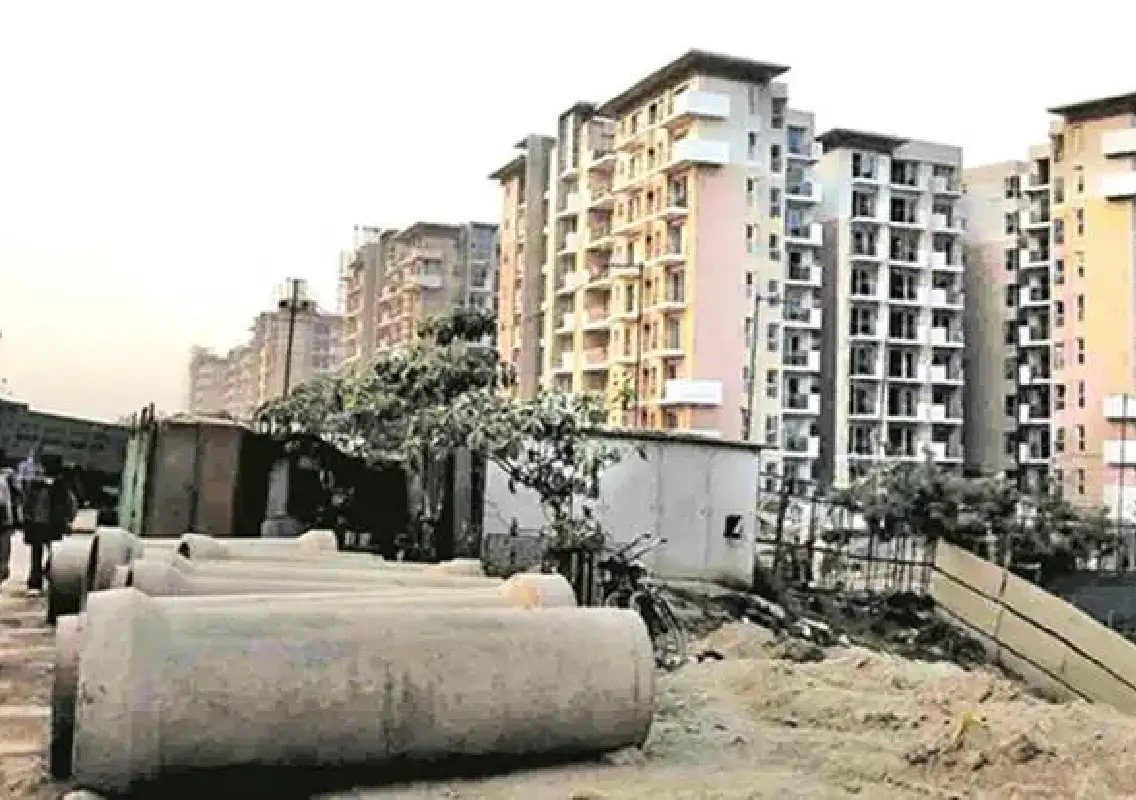


Bengaluru: As the Karnataka government explores the development of new townships around Bengaluru, urban planning experts and property owners have questioned whether further expansion is necessary when large parts of the existing city remain underutilised and have significant scope for redevelopment.
Experts argue that Bengaluru should prioritise improving and increasing the density of existing neighbourhoods before extending its urban footprint into surrounding rural areas.
Existing layouts remain underutilised
Several large layouts developed by the Bangalore Development Authority (BDA) continue to have low occupancy years after completion, raising questions about the need for additional townships.
Urban planners point out that much of the Greater Bengaluru Authority (GBA) area remains relatively low-rise, with considerable potential for vertical growth. They believe encouraging taller, well-planned developments would accommodate more residents while reducing urban sprawl and preserving agricultural land on the city’s outskirts.
They also note that many gated communities already demonstrate how higher-density development can coexist with better infrastructure, open spaces and improved quality of life.
Experts favour redevelopment over expansion
Planning professionals argue that the government’s immediate focus should be on strengthening existing infrastructure, improving urban design and consolidating land within Bengaluru before acquiring new land for expansion.
Instead of compulsory land acquisition, they have suggested adopting land pooling and land reconstitution models, allowing existing landowners to become stakeholders in future development projects.
Under such models, landowners contribute their land for planned development and receive a share of the developed property, enabling them to benefit from rising land values rather than being displaced.
Land pooling seen as a better alternative
Experts say land pooling has been successfully implemented in several Indian cities and often results in faster project execution with fewer legal disputes.
They argue that compulsory acquisition frequently leads to prolonged opposition from landowners, delaying major infrastructure projects. The long-pending Peripheral Ring Road project is often cited as an example of how acquisition-related disputes can stall development for years.
Urban planners also contend that allowing significantly higher construction only after acquiring private land creates distrust among property owners and fuels resistance to government projects.
They believe development authorities should focus on collaborative planning with citizens instead of relying primarily on legal acquisition, which they say would help build public confidence while delivering more sustainable urban growth.