







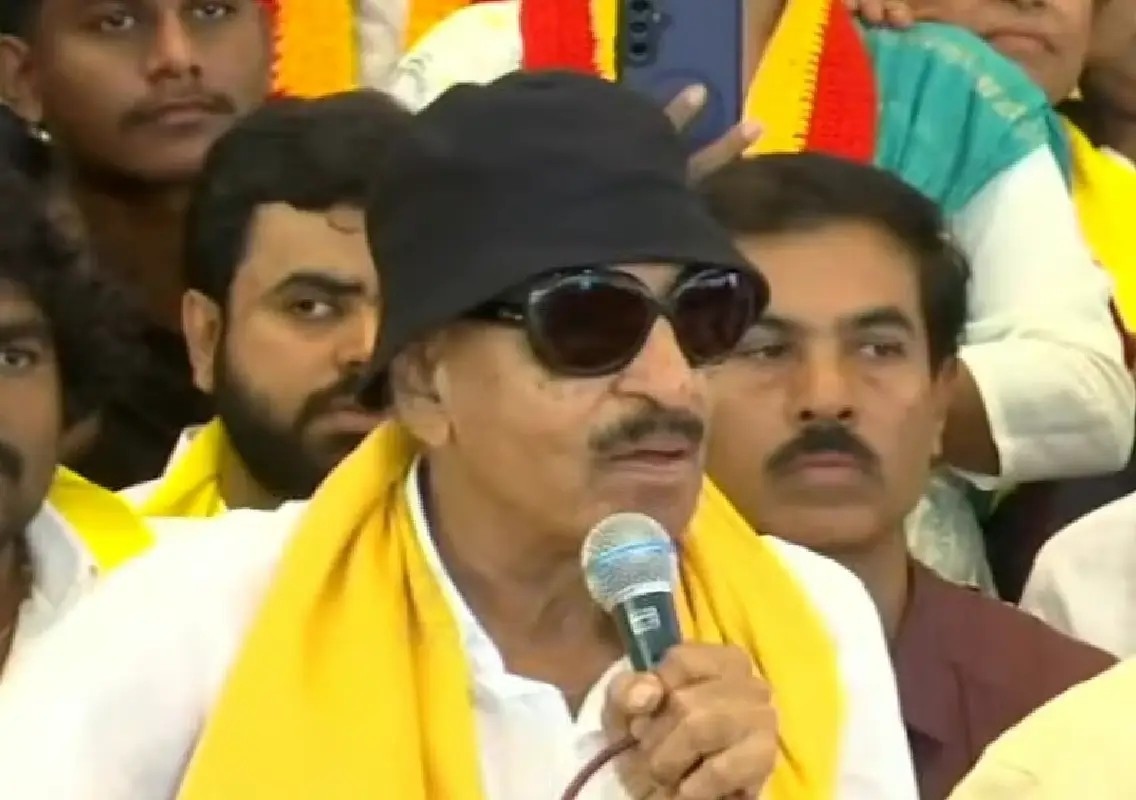


Bengaluru: Kannada activist Vatal Nagraj has asserted that the Karnataka bandh called for August 13 will be held as scheduled, amid reports of differences among pro-Kannada organisations over the proposed shutdown against the release of Cauvery river water to Tamil Nadu.
Nagraj said the bandh had received widespread support across Karnataka, dismissing reports of divisions among Kannada organisations and activists.
Nagraj claims widespread support
Speaking to reporters, Nagraj said more than 2,000 organisations from across the State had extended support to the bandh, including organisations from Belagavi, Chamarajanagara, Mangaluru and Kolar.
He also claimed that students had extended their support to the shutdown and maintained that there was no division among Kannada organisations over the issue.
The bandh was announced on July 31 following a meeting of various organisations held under Nagraj’s leadership in Bengaluru.
Cauvery water release triggers protest
The bandh call followed the Cauvery Water Management Authority (CWMA) decision to uphold an earlier order directing Karnataka to release 3,500 cusecs of Cauvery water to Tamil Nadu for 15 days.
Karnataka had initially cited low reservoir storage and maintained that it was unable to release water. Following heavy rainfall in the State’s Cauvery catchment areas, however, water release subsequently began.
Hotel association offers moral support
The Bangalore Hotels Association said the hotel industry would extend moral support to the bandh while also appealing to pro-Kannada organisations to withdraw the call.
The association cited rainfall in the State, the Chief Minister’s proposed all-party meeting and court guidelines concerning bandhs among the reasons for its appeal.
Meanwhile, Nagraj and other Kannada activists staged a protest near the Karnataka-Tamil Nadu border at Attibele over Tamil Nadu’s opposition to the Mekedatu project. Police detained Nagraj and others after they attempted to block the highway.
Nagraj warned that Bengaluru could face drinking water shortages in the future if the Mekedatu project is not implemented.