









The principal of CMR Institute of Technology (CMRIT) has highlighted a growing concern in engineering education—students from core branches like civil and mechanical increasingly shifting to IT careers.
To address this trend, the institute is redesigning its academic approach by embedding emerging technologies into traditional engineering disciplines.
Bridging core engineering with new-age tech
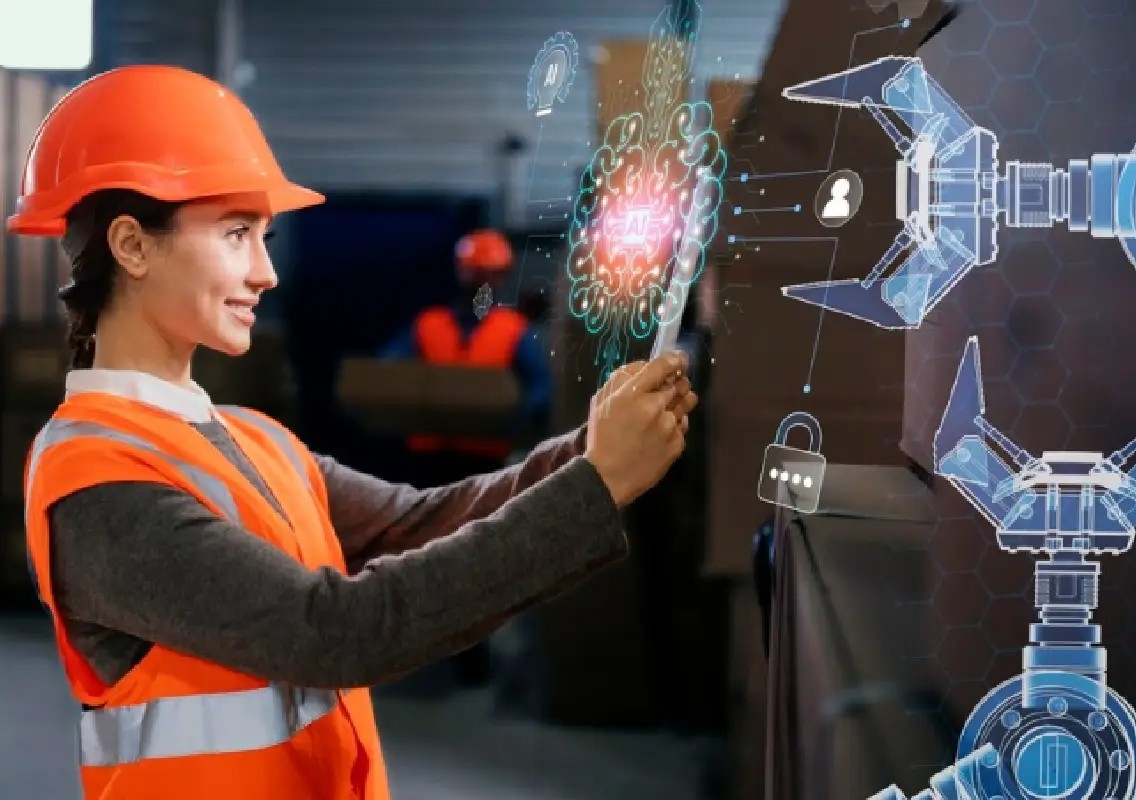
CMRIT has introduced modules in artificial intelligence, robotics, analytics, and data science within its core BTech programmes. The aim is to make civil and mechanical engineering more relevant in a technology-driven job market.
By blending foundational engineering knowledge with modern tools, the institute hopes to retain talent within core sectors.
Tackling migration to IT sector
The shift of core engineering graduates to IT roles has been a persistent trend across India. Better salaries, job availability, and perceived career growth have made IT an attractive option.
CMRIT’s initiative seeks to “build bridges back” by aligning core engineering education with industry demands and future technologies.
Focus on innovation and startups
The institution is also strengthening its startup ecosystem through incubation support and seed funding. Students are encouraged to develop solutions that apply engineering principles in real-world contexts.
This approach aims to create entrepreneurs and innovators rather than just job seekers.
Industry-aligned education
By integrating interdisciplinary learning and hands-on experience, CMRIT is attempting to reshape how engineering is taught. The goal is to produce graduates who are skilled, adaptable, and capable of contributing across sectors.
The move reflects a broader shift in engineering education, where traditional branches are evolving to stay competitive in a rapidly changing technological landscape