







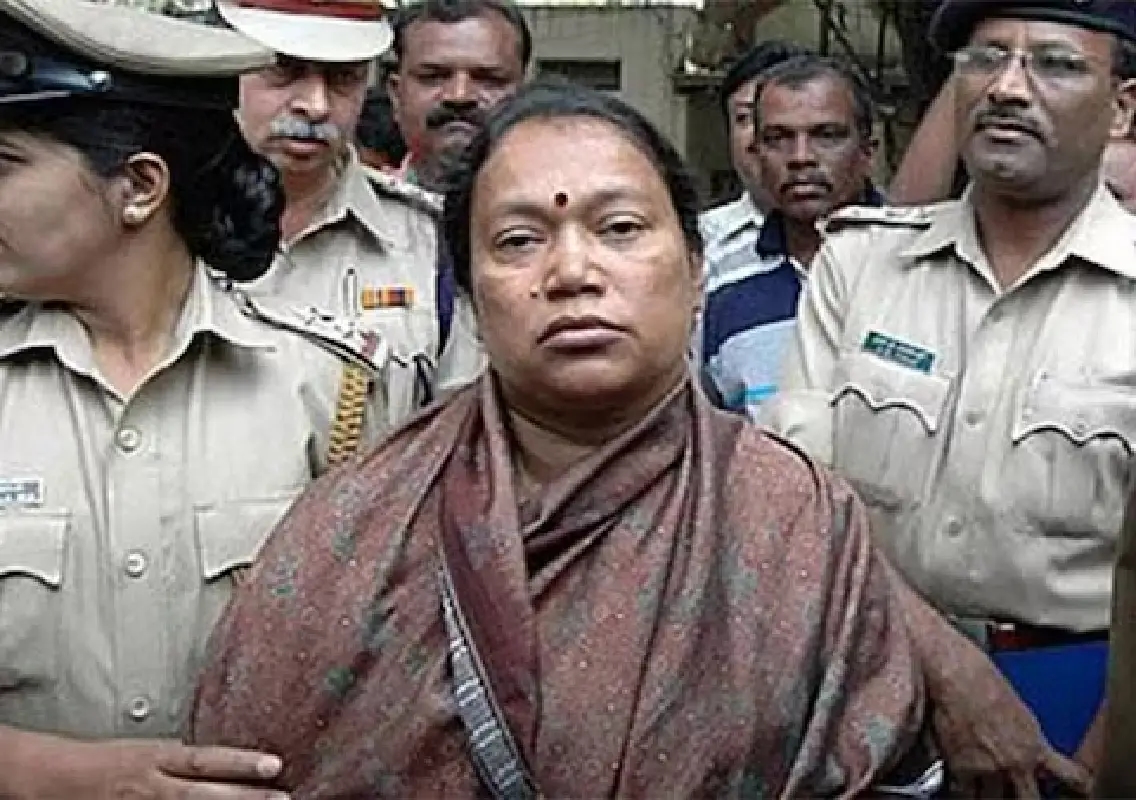


Bengaluru: More than two decades after her crimes sent shockwaves through the city, the case of K D Kempamma alias Mallika — infamously known as ‘Cyanide Mallika’ — continues to stand out as one of the most chilling episodes in Karnataka’s criminal history. Believed to be India’s first woman serial killer, Kempamma exploited faith, trust and vulnerability to murder multiple women in cold blood, using cyanide as her weapon of choice. Her arrest in December 2007 exposed a horrifying pattern of crimes that had unfolded quietly in temples and pilgrimage centres across the region.
A killer who hid in plain sight
Police investigators described Kempamma as calculating, patient and manipulative. Posing as a devout believer, she frequented temples and religious places, carefully observing women who appeared distressed or troubled. By presenting herself as a sympathetic listener, she gained their confidence, often discussing their personal struggles related to childlessness, financial difficulties or family disputes.
Once trust was established, Kempamma would suggest special religious rituals or mandal poojas, claiming they could solve the victims’ problems. These rituals were often proposed at temples located on the outskirts of the city or in isolated areas, ensuring privacy and minimal suspicion.
Modus operandi rooted in faith
Investigators said Kempamma followed a consistent and chilling pattern. After luring victims to secluded temples, she administered cyanide — sometimes mixed in water she described as holy water, and in other cases blended with food. Police revealed that in certain instances, she forcefully held victims’ noses to make them ingest the poison.
Death was swift, often occurring without visible signs of violence. Once the victim collapsed, Kempamma calmly removed jewellery and valuables before fleeing the scene. The lack of obvious injuries meant several deaths were initially registered as mysterious or unnatural, allowing her to continue her killing spree undetected.
Arrest that stunned the city
The truth came to light when Kalasipalyam police arrested Kempamma following a tip-off that a woman was attempting to sell jewellery and mobile phones suspiciously at a bus stand. During questioning, she identified herself as Mallika and made revelations that stunned investigators.
Then city police commissioner N Achuta Rao stated that Kempamma had confessed to murdering at least six women using cyanide and robbing them of jewellery. By the time of her arrest on December 31, 2007, she was 43 years old. Police said that in the preceding three months alone, she had murdered five women, all within the city.
Trail of deaths reopened
Following her confession, police reopened several cases that had earlier been classified as mysterious or unnatural deaths. Of the murders she admitted to, three had been registered as mysterious deaths and two as unnatural deaths. In several cases, victims were found dead inside temple premises, complicating initial investigations.
West division deputy commissioner of police K V Sharat Chandra said police began re-examining deaths reported at temples over previous years, consulting medical experts to identify signs of cyanide poisoning. The similarities — women dying during prayers, missing jewellery and absence of struggle — eventually formed a clear pattern linking Kempamma to the crimes.
Background and descent into crime
Police said Kempamma hailed from Kaggalipura and had once run a chit fund business. She was married to Devaraj, a tailor employed at NIMHANS. Her life reportedly took a drastic turn in 1998 after she suffered heavy business losses and was abandoned by her husband.
Investigators believe this period marked the beginning of her criminal path. Her first confirmed murder occurred on October 19, 1999, in Hoskote, where she killed a 30-year-old woman, Mamatha Rajan, while the victim was praying.
A killing spree in 2007
Kempamma’s crimes escalated sharply in 2007. Between October and December that year, she murdered five women. Her final known victim was a 30-year-old woman distressed over not having a male child, whom Kempamma killed while she was asleep.
Each murder followed the same chilling script — befriending the victim at a temple, suggesting a special ritual, isolating them, administering cyanide and escaping with jewellery. The sale and pledging of stolen ornaments eventually led police to her trail.
Prior arrest and missed warning signs
In a disturbing revelation, police disclosed that Kempamma had been arrested earlier in 2001 by Bidadi police while attempting to rob jewellery from a house where she was performing a ritual. She was sentenced to six months’ imprisonment and released after completing her term.
At the time, her activities were not investigated further, a lapse that officers later admitted allowed her to continue killing for several more years.
Sentences and legal twists
Following her arrest, Kempamma faced multiple trials. Fast Track Courts awarded her death sentences in several cases, including the murders of elderly women in temples across Tumakuru, Kunigal, Ghati Subramanya and Doddaballapur. In some cases, courts cited the brutality and motive of gain while imposing capital punishment.
However, the Karnataka High Court later intervened in certain cases, ordering retrials or additional examination of witnesses. In other cases, she was sentenced to life imprisonment, including for the murder of 50-year-old Pillamma in Maddur taluk, where she was also fined ₹5,000.
Life behind bars
Kempamma was initially lodged at Parappana Agrahara central prison. She later drew attention when reports emerged that she was housed near the cell of AIADMK leader V K Sasikala. Following security concerns, she was shifted to Hindalga prison in Belagavi, which houses several death row convicts and terror accused.
Conclusion
Investigators said Kempamma’s greatest weapon was not cyanide, but the trust she cultivated through faith and empathy. By exploiting religious belief and personal vulnerability, she turned sacred spaces into sites of terror. Her case remains a grim reminder that some of the most dangerous predators can hide in plain sight, wearing the most convincing disguises.