







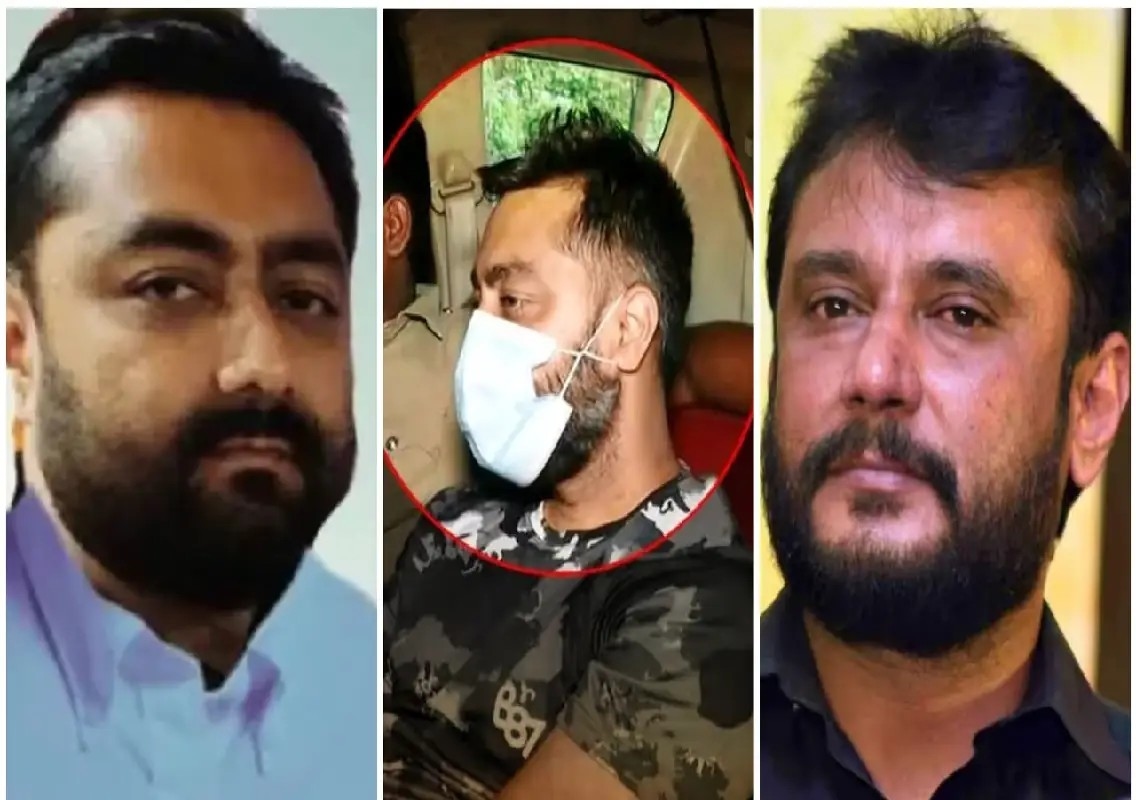


Bengaluru: A significant development has emerged in the trial of the Renukaswamy murder case involving Kannada actor Darshan Thoogudeepa and 16 others, with one of the accused moving a Bengaluru court seeking to become an approver. The accused, Pradosh (Accused No. 14), has expressed his willingness to disclose the full facts of the case in exchange for a pardon under the legal provisions governing approvers.
The application was filed before the 59th CCH Court in Bengaluru on Thursday through his advocate, marking one of the most notable developments since the commencement of the trial.
Pradosh seeks pardon
In his application, Pradosh stated that he was prepared to reveal all facts relating to the alleged crime and requested the court to grant him pardon by allowing him to turn an approver.
Under Indian criminal law, an approver is an accused who may be granted a pardon after making a full and truthful disclosure of the offence and the involvement of other accused persons. Whether such a request is accepted depends on the court and the applicable legal provisions.
If the court permits Pradosh to become an approver, his statement could become an important part of the prosecution’s case.
Separate plea for video conferencing
Pradosh also filed a separate application requesting permission to participate in court proceedings through video conferencing from a separate room.
At present, he is produced virtually from the same room as the other accused, including actor Darshan.
His counsel requested that he be allowed to appear separately during future proceedings.
The court is yet to decide on this request.
Court seeks prosecution’s response
Taking note of the application, the 59th CCH Court directed the prosecution to submit its response before any decision is taken on Pradosh’s plea.
The prosecution is expected to clarify its position during the next hearing.
The court will then decide whether the accused should be granted approver status and whether his proposed disclosure satisfies the legal requirements for pardon.
High-profile murder case
The case relates to the alleged murder of Renukaswamy (33), a resident of Chitradurga and a fan of actor Darshan.
According to the prosecution, Renukaswamy was allegedly abducted and brought to Bengaluru in June 2024 after he allegedly sent obscene messages to Pavithra Gowda.
Investigators allege that he was confined in a shed at Pattanagere, assaulted and later died from multiple injuries. His body was subsequently found near a storm-water drain in Bengaluru.
Police have charged 17 accused, including actor Darshan Thoogudeepa and Pavithra Gowda, with offences including murder, kidnapping, criminal conspiracy, wrongful confinement and destruction of evidence.
All the accused have pleaded not guilty, and the trial is continuing.
Supreme Court cancelled bail
Darshan and the other accused were arrested during the investigation into the case.
Although Darshan was initially granted interim bail on medical grounds and later regular bail, the Supreme Court subsequently cancelled the bail granted to him and several co-accused. The court directed that they be taken back into custody while the trial proceeds.
The accused are presently facing trial before the Bengaluru court.
CM urges supporters to respect legal process
The case has attracted considerable public attention across Karnataka.
Recently, supporters of Darshan interrupted Chief Minister D K Shivakumar during the Sri Chamundeshwari Devi Karaga Mahotsava in Ramanagara by raising slogans seeking intervention in the actor’s case.
Responding to the supporters, the Chief Minister appealed for calm and stated that while he understood their emotions, the matter was before the judiciary and had to proceed strictly in accordance with the law.
Trial at a crucial stage
Pradosh’s application has added a new dimension to the ongoing trial. If the court grants his request to become an approver, his testimony could provide additional evidence regarding the prosecution’s version of events.
The court’s decision on the application, along with the prosecution’s response, is expected to play an important role in determining the future course of the high-profile trial.