









Food safety concerns have resurfaced in Bengaluru after laboratory tests reportedly found eight shawarma samples unsafe for human consumption during a recent inspection drive conducted by health authorities.
The findings have renewed discussions on food hygiene practices and the risks associated with improperly prepared meat-based street food.
Eight samples declared unsafe
According to reports, food safety officials collected shawarma samples from various outlets across Bengaluru as part of routine inspections aimed at monitoring food quality and public health standards.
Laboratory analysis reportedly found eight of the samples to be unsafe, indicating violations of prescribed food safety norms.
Authorities have not disclosed the names of all establishments involved but have initiated further action in accordance with food safety regulations.
The development comes amid increasing scrutiny of ready-to-eat meat products following several food poisoning incidents reported from different parts of the country in recent years.
What is shawarma?
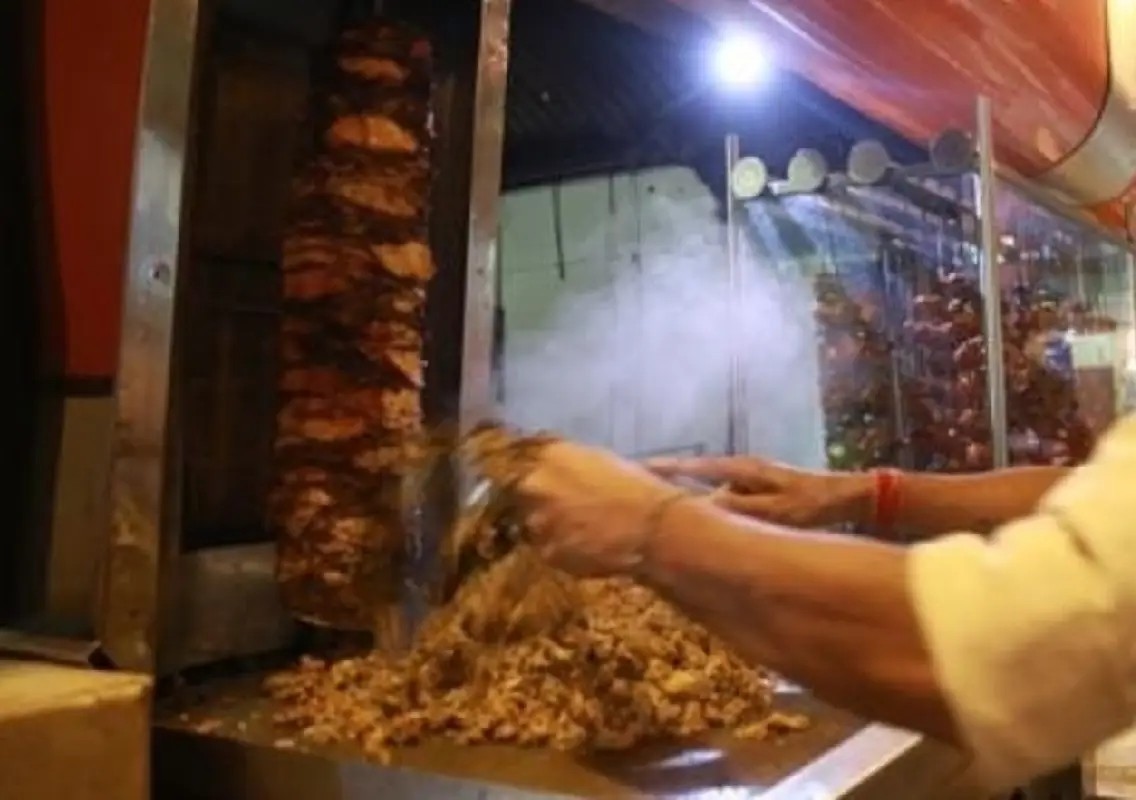
Shawarma is a popular Middle Eastern dish prepared by stacking marinated meat on a vertical rotisserie and slowly roasting it over several hours.
Traditionally made using chicken, lamb, beef or mutton, the cooked meat is sliced into thin strips and served in flatbread or wraps along with vegetables, sauces and pickles.
Over the past decade, shawarma has become one of the most popular fast-food items in Indian cities, including Bengaluru, Mangaluru and Mysuru.
Why food safety matters
Health experts note that shawarma requires careful handling because it involves cooked meat that may remain exposed for extended periods.
Improper storage, inadequate cooking temperatures, cross-contamination and poor hygiene practices can increase the risk of bacterial growth and foodborne illnesses.
Authorities have repeatedly advised food businesses to follow strict hygiene standards, maintain proper refrigeration and ensure safe preparation methods.
Consumers urged to exercise caution
Food safety officials have urged consumers to purchase food only from licensed establishments that maintain proper hygiene standards.
Regular inspections will continue to ensure compliance with safety regulations and to protect public health.
The latest findings serve as a reminder of the importance of food quality checks in a city where street food and quick-service eateries continue to enjoy immense popularity.