







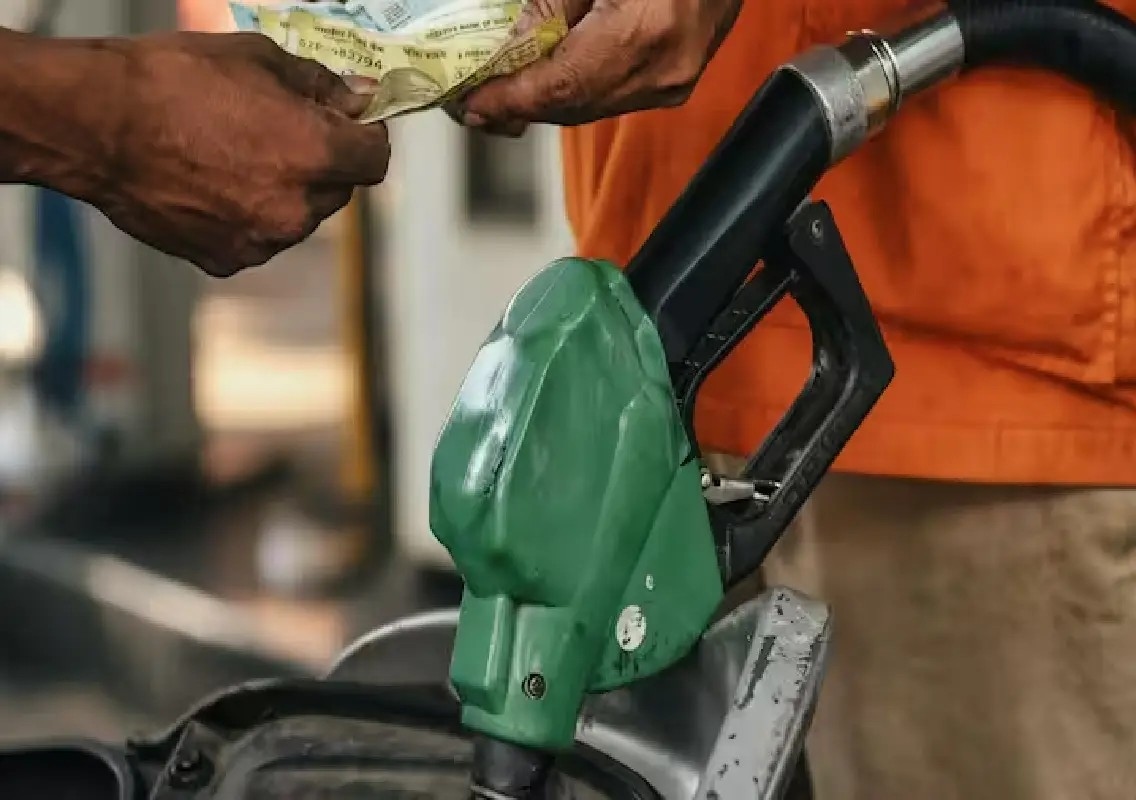


Bengaluru: The recent increase in fuel prices is expected to create a wider impact across Karnataka, with private bus operators and school transport providers announcing fare revisions to offset rising operational costs. With petrol prices increasing by Rs 3.27 per litre and diesel by Rs 3.12 per litre in the city, commuters and parents may soon face additional financial burden.
Private bus operators have indicated fare revisions ranging from 10 to 30 per cent, while school transport providers have announced a likely increase of at least 10 per cent in transportation charges. The development is expected to affect thousands of passengers and families across the state.
Meanwhile, state transport corporations have stated that there are no immediate plans for fare revisions.
Private bus operators announce fare increase
Private bus travel across Karnataka is expected to become costlier following the announcement of fare revisions by operators.
According to S. Nataraj Sharma, president of the Karnataka State Bus Owners Association, operators are currently dealing with multiple challenges, including revenue losses linked to the Shakti scheme, repeated increases in toll charges on national highways and the recent rise in diesel prices.
He said operators had little option but to revise ticket prices in order to continue operations sustainably.
The proposed increase is expected to vary depending on operational expenses and route-specific costs.
Sharma stated that some routes already involve significant toll expenses. He noted that on the Mysuru route, a roundtrip incurs approximately Rs 900 in toll charges alone.
Industry representatives said the revised fares would affect contract carriage buses and All-India permit vehicles operating from Bengaluru and other major centres.
School transportation charges likely to increase
School bus and van operators have also announced plans to increase transportation fees, adding further pressure on parents already dealing with rising education costs.
According to G.N. Ravikumar, president of the Karnataka State Private School Vehicle Drivers’ Association, rising fuel costs have significantly increased operational expenses.
He said operators would be implementing a moderate increase and added that there are indications of possible further fuel price increases in the coming days.
School transportation fees in Bengaluru are generally calculated based on distance travelled.
Ravikumar explained that for a distance of around 5 km, transportation charges are approximately Rs 2,000 per month. Following the revision, the amount is expected to increase by nearly Rs 200.
He also stated that around 8,000 to 9,000 school vehicles are currently operating across the city.
Parents express concern over rising expenses
The proposed increase in transportation charges has led to concerns among parents who say household budgets are already under strain.
Ashwini, a parent, said school-related expenses have continued increasing and expressed concern regarding additional transportation costs.
She stated that she had already paid school bus fees for the upcoming academic year, which reportedly saw a 15 per cent increase.
According to her, further revisions linked to fuel prices would increase the financial burden on families.
Parents have raised concerns that transportation fee increases are adding to tuition costs and other education-related expenses.
No immediate fare revision for BMTC and KSRTC
Officials from state-run transport corporations stated that there are currently no plans to increase fares despite the fuel price hike.
A BMTC official said any continued increase in fuel costs could have a more significant impact in the future.
According to available data, BMTC consumes nearly 3 lakh litres of diesel daily, while KSRTC consumes approximately 6 lakh litres.
Transport Minister Ramalinga Reddy confirmed that there is no proposal at present to revise fares for state-run bus services.
State leaders criticise fuel price increase
Chief Minister Siddaramaiah criticised the increase in fuel prices and stated that its effects would extend beyond fuel costs alone.
He said the increase would affect transportation expenses, prices of vegetables and groceries, milk rates, construction costs, school transportation fees and agricultural input expenses.
Deputy Chief Minister D.K. Shivakumar also criticised the decision and linked the issue to broader policy concerns.
The increase in fuel prices is expected to have a wider economic impact, with transport and daily household expenses likely to witness further changes in the coming period.