







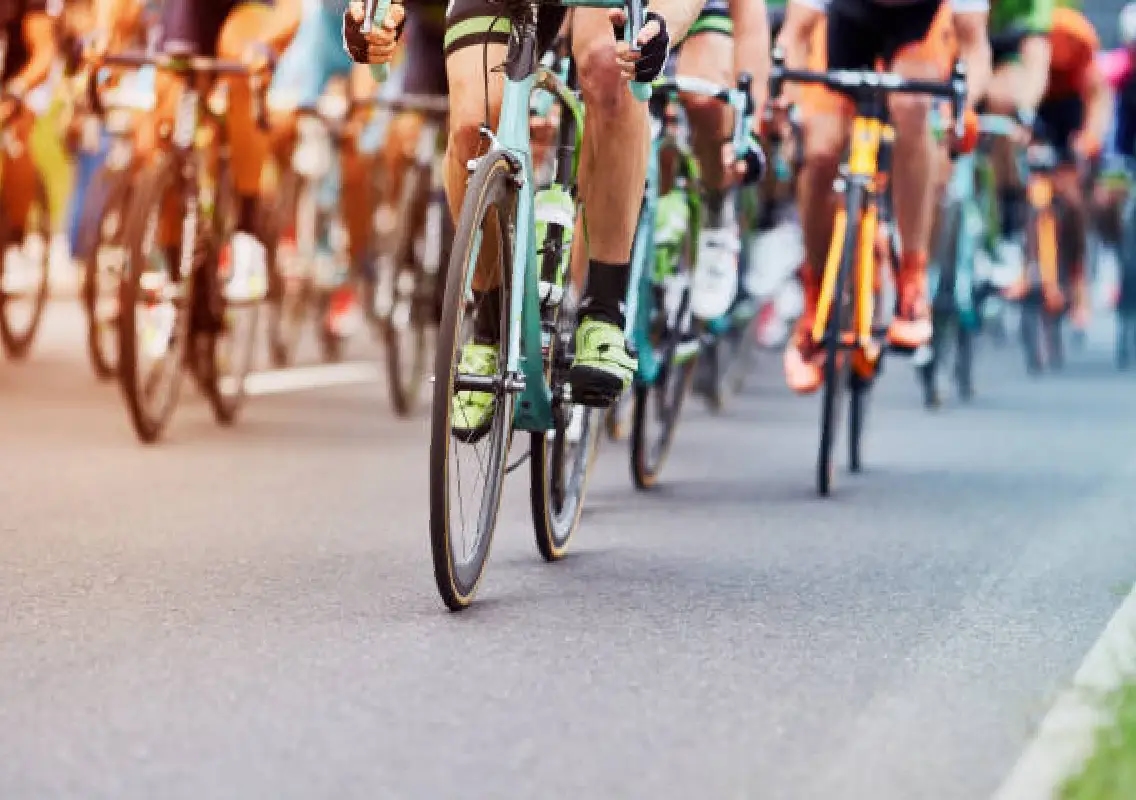


Bengaluru: The Greater Bengaluru Authority (GBA), in collaboration with WRI India, Walkaluru and Urban Morph, has launched Hejje-Gala, a three-month, city-wide active mobility challenge aimed at encouraging citizens to walk, cycle and use public transport more frequently. The initiative seeks to promote healthier lifestyles, reduce dependence on private vehicles and gather citizen feedback to improve pedestrian and cycling infrastructure across all five city corporations of the city.
Friendly competition to promote active mobility
Hejje-Gala has been designed as a friendly competition involving city corporations, industry associations and corporate organisations. Through structured participation, the initiative encourages organisations to motivate employees and members to adopt sustainable mobility choices such as walking, cycling and public transport for daily commutes and short trips.
The programme also aims to create a collaborative ecosystem where citizens, government agencies and private entities work together to improve the city’s mobility environment. Participants are encouraged to log their walking and cycling trips through mobile applications and provide feedback on ground-level infrastructure conditions, including footpaths, crossings and cycling lanes.
GBA’s vision for a walkable city
At the launch event, GBA Chief Commissioner Maheshwar Rao outlined the authority’s long-term vision of transforming Bengaluru into one of the most walkable cities in the country. He said that improving pedestrian infrastructure is a key priority and that Hejje-Gala provides an opportunity to foster healthy competition among the city’s five corporations.
Rao noted that around 76 km of footpaths have already been upgraded in different parts of the city by removing encroachments, ensuring continuity and improving accessibility. He highlighted that in some areas of north Bengaluru, footpaths have been redesigned to be user-friendly even for parents pushing prams and for elderly pedestrians.
The Chief Commissioner added that the long-term objective is to expand the network of high-quality footpaths to between 500 km and 1,000 km over the next few years. He said budgetary allocations would be made for infrastructure development, but stressed that behavioural change among citizens is equally important.
Encouraging behaviour change through incentives
Explaining the concept behind Hejje-Gala, Rao said the initiative nudges companies and institutions to actively encourage their employees to walk and cycle by introducing incentive systems, recognition programmes and internal campaigns. Corporates that demonstrate consistent efforts to promote sustainable mobility among their workforce will be recognised and rewarded.
Public sector bodies are also expected to take part in the challenge, setting an example for citizens. According to GBA officials, such collective participation can help normalise walking and cycling as viable and preferred modes of transport for short and medium-distance trips.
Using citizen feedback to improve infrastructure
A key component of Hejje-Gala is the systematic collection of citizen feedback related to walking and cycling experiences. Arun Pai, Founder of Walkaluru, said cities improve faster when the everyday experiences of citizens are actively listened to and acted upon.
He explained that by capturing data on walking and cycling trips along with feedback from participants, the initiative can help authorities identify unsafe locations, missing links, poor footpath conditions and areas where infrastructure works well. This evidence-based approach can guide future investments and prioritise interventions where they are most urgently required.
Urban planners involved in the programme noted that such feedback-driven planning can significantly enhance the effectiveness of infrastructure spending and ensure that improvements align with actual user needs.
Industry and corporate support
The launch of Hejje-Gala received strong support from corporate leaders and industry representatives. Madhusudhan Kulkarni, Head – Customer Solutions at AWS Industries, said the initiative reflects an unprecedented level of collaboration between the government and the private sector to promote active mobility.
He observed that encouraging employees to adopt walking and cycling not only contributes to environmental sustainability but also improves productivity and well-being. Kulkarni added that corporate participation can play a crucial role in scaling up the impact of such initiatives across the city.
Infosys Senior Vice President and ELCITA committee member Aruna Newton said mobility should be viewed as a necessity rather than a luxury. She emphasised that responsible choices such as walking and cycling are essential for personal health, reducing stress and lowering the environmental footprint of urban transport.
Addressing urban challenges through mobility reform
Urban mobility experts pointed out that Bengaluru faces multiple challenges, including traffic congestion, air pollution and rising lifestyle-related health issues. Active mobility initiatives like Hejje-Gala address several of these concerns simultaneously by reducing vehicle usage, lowering emissions and encouraging physical activity.
By integrating citizen participation with institutional support, the programme aims to demonstrate that small behavioural shifts at an individual level can collectively lead to significant improvements in urban quality of life.
Conclusion
Hejje-Gala marks an important step in Bengaluru’s efforts to reimagine its mobility ecosystem with people at the centre. By encouraging walking, cycling and public transport use through a city-wide challenge, the initiative seeks to foster healthier habits, build safer infrastructure and strengthen collaboration between citizens, government bodies and the private sector. As the three-month programme unfolds, authorities hope the data and feedback generated will help shape a more walkable, liveable and sustainable city in the years ahead.