







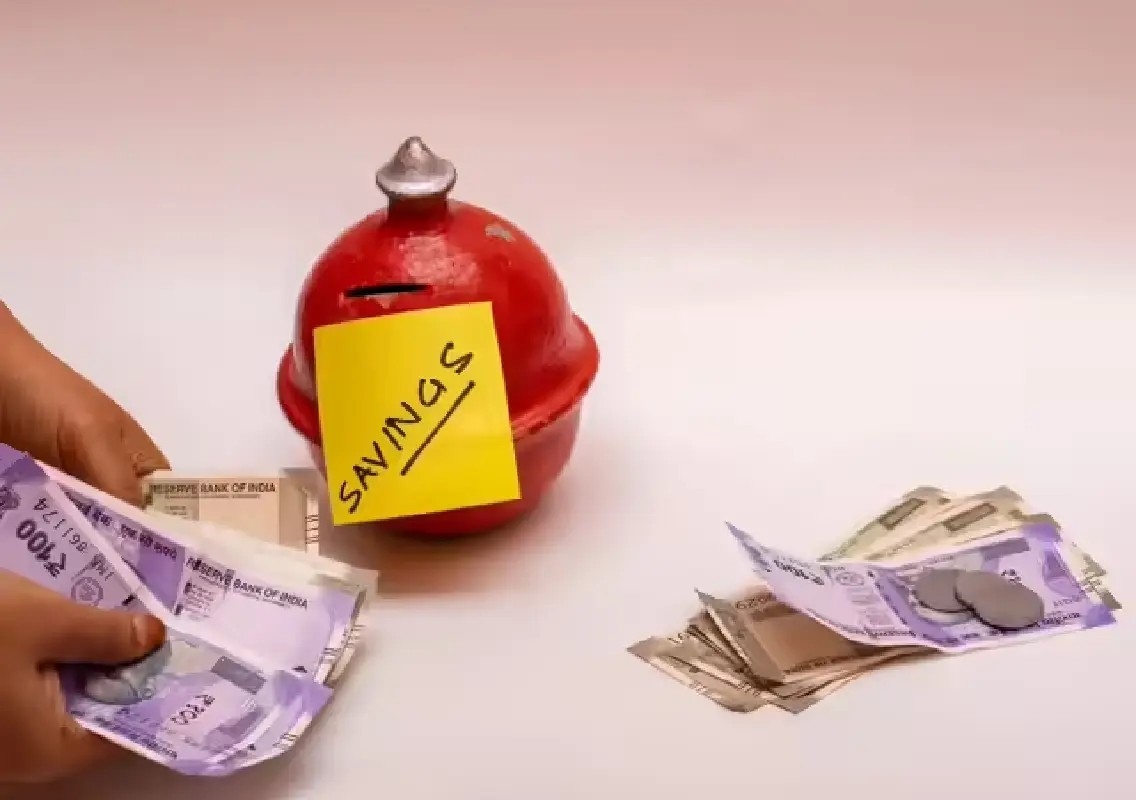


Managing expenses in a new city can be challenging, especially for young professionals balancing rent, daily costs and social outings. A recent budgeting exercise explored how a 25-year-old employee earning ₹50,000 a month could save ₹10,000 regularly without completely giving up dining out.
The scenario focused on a professional living in Delhi who spends around ₹20,000 on rent, utilities and commuting. Despite earning a steady income, frequent restaurant visits and food delivery orders left little room for savings by the end of each month.
Saving first, spending later
Financial planning experts often recommend treating savings as a fixed expense. In the proposed budget, ₹10,000 is set aside immediately after salary credit, ensuring that 20 per cent of the monthly income goes towards future goals.
The remaining amount is allocated across essential categories, including groceries, dining out, food delivery, personal expenses and entertainment. By assigning clear limits to each category, individuals can better understand where their money is going and avoid overspending.
Small food habits make a big difference
The plan recommends keeping a monthly food budget of ₹12,000, including ₹7,000 for groceries, ₹3,000 for dining out and ₹2,000 for food delivery. Meal planning, weekly grocery shopping and preparing simple meals at home can significantly reduce unnecessary spending.
Experts also suggest limiting food delivery to weekends and setting fixed spending caps for restaurant visits. Tracking daily expenses and reviewing spending patterns each week can help identify habits that drain finances without adding much value.
Balancing enjoyment and financial goals
One of the key messages of the budgeting plan is that saving money does not necessarily mean sacrificing enjoyment. Occasional meals at favourite restaurants and social gatherings can still fit within a structured budget.
With consistent tracking, realistic spending limits and automated savings, young professionals can build financial security while maintaining a comfortable lifestyle. The approach highlights how small changes in everyday habits can lead to meaningful long-term savings.