







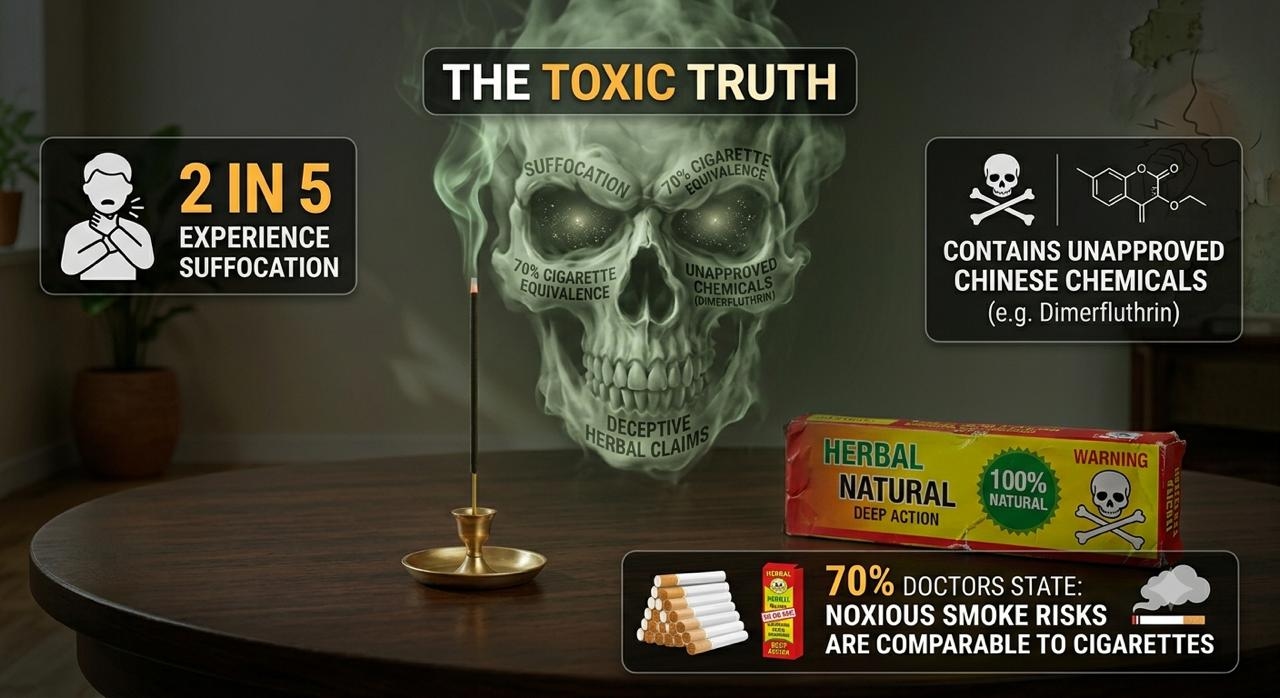


Millions of Indian households rely on mosquito repellent incense sticks to keep mosquitoes at bay, but a growing number of consumers may be unknowingly exposing themselves and their families to serious health hazards by using illegal and unregulated mosquito agarbattis.
Industry experts and regulatory authorities have raised concerns over the increasing presence of unregistered mosquito repellent incense sticks in the market. Sold under various brand names, these products are allegedly manufactured using unapproved chemicals without mandatory government approvals, posing significant risks to public health.
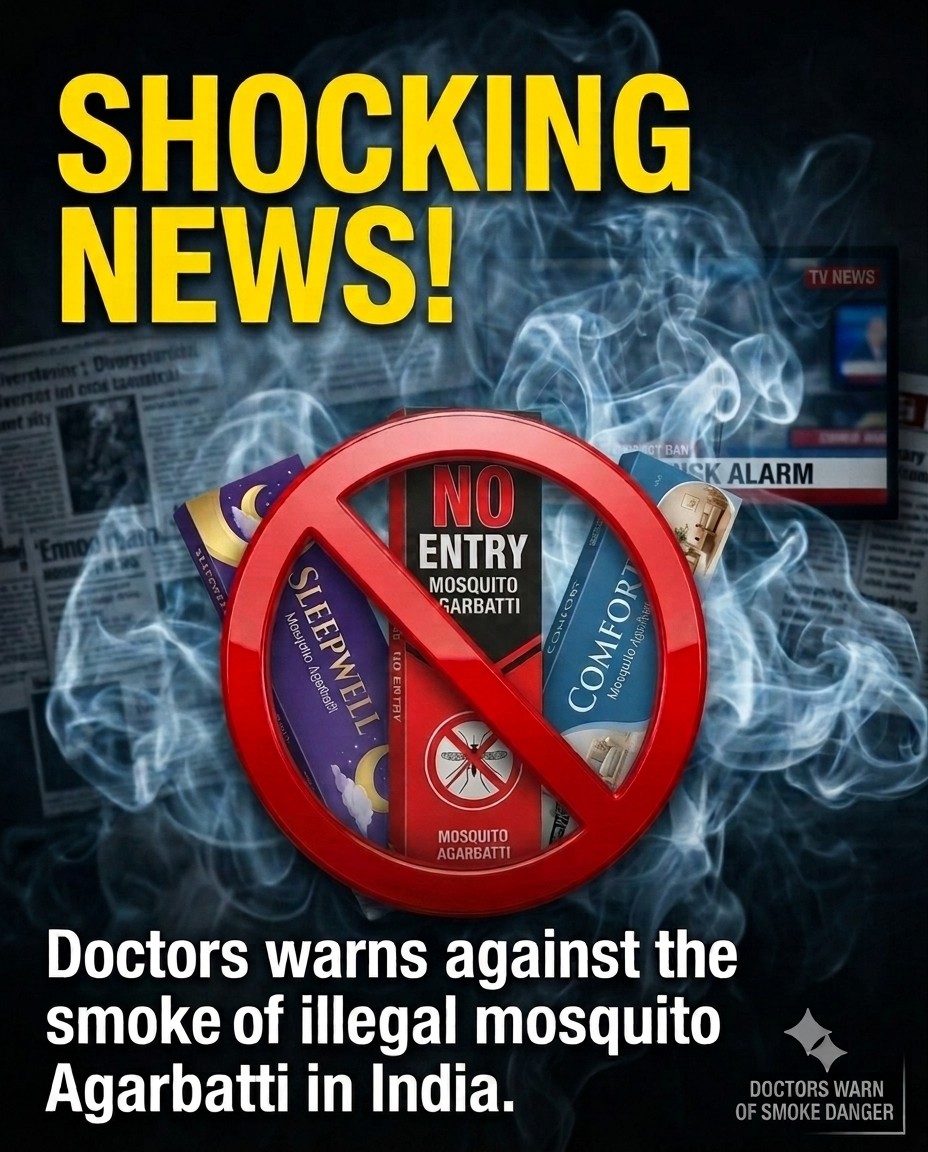
Illegal market grows rapidly
According to industry estimates, the illegal mosquito agarbatti market has expanded by nearly 20–25% over the past five to six years and is now valued at more than ₹2,000 crore.
These products are reportedly available in general stores, neighbourhood shops and even some pharmacies. Typically priced between ₹10 and ₹15, they often attract consumers by claiming to be “herbal” or “natural.”
However, experts caution that such claims can be misleading, as many of these products allegedly contain unapproved chemicals and have not undergone mandatory safety testing required under Indian law.
Health concerns over unapproved chemicals
Authorities warn that consumers often have no way of knowing who manufactures these products or what ingredients they contain.
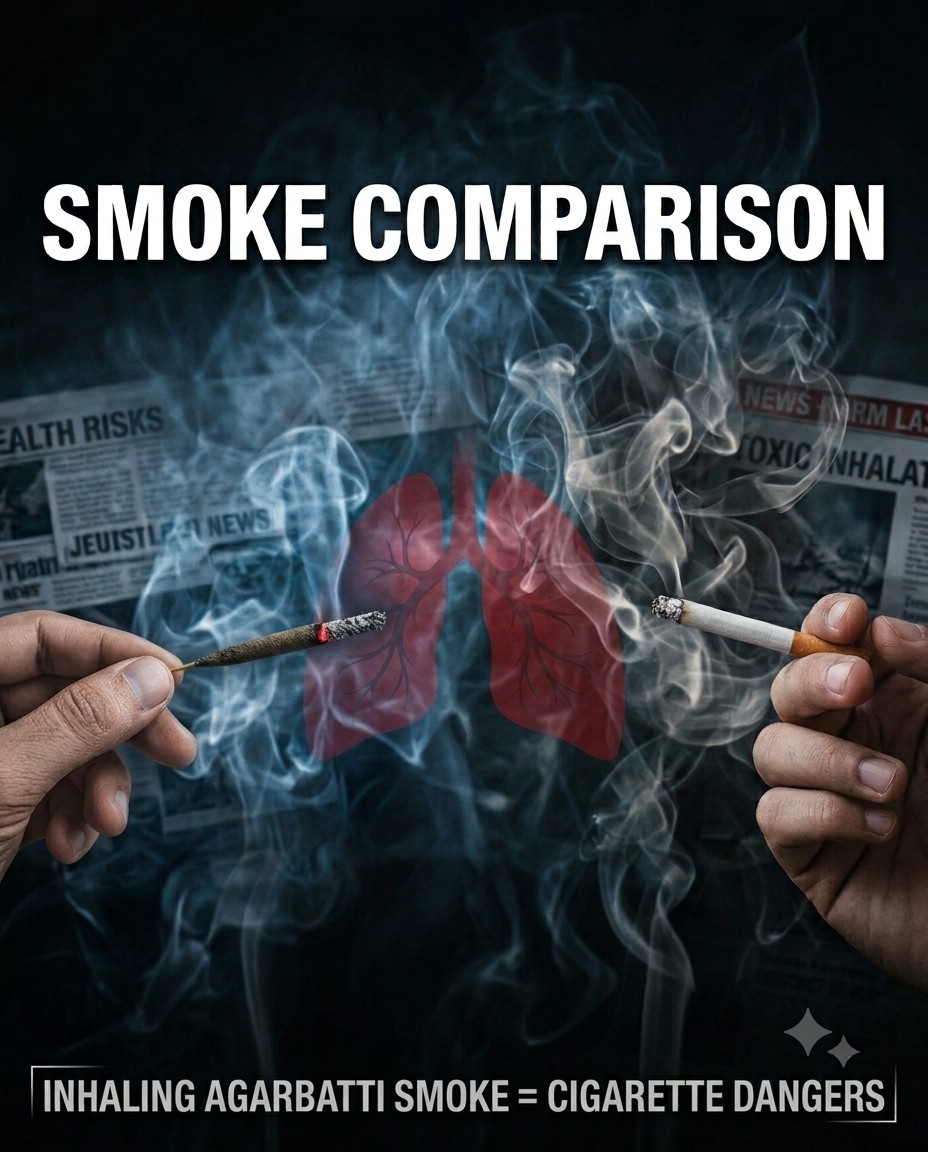
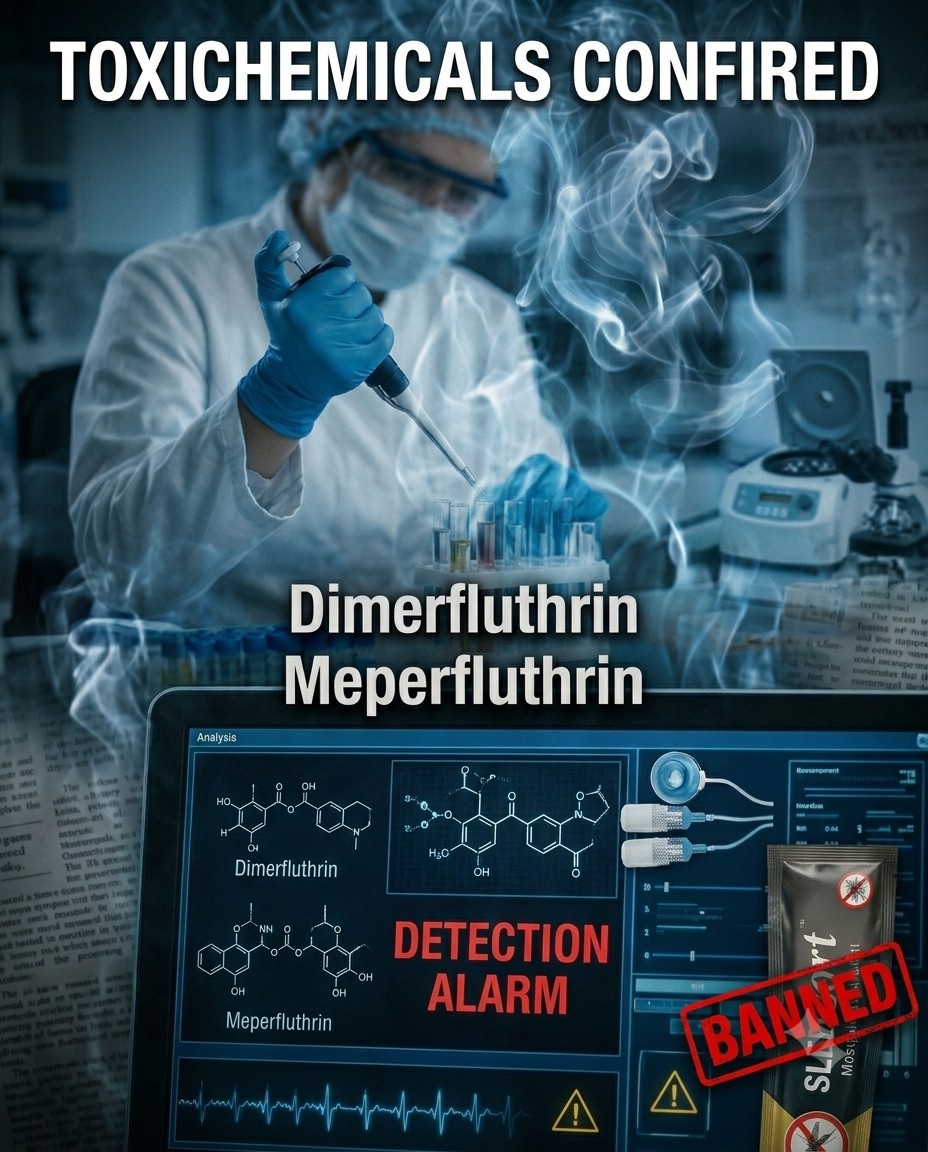
Investigations have reportedly detected illegal chemicals such as Dimerfluthrin and Meperfluthrin in several unregistered mosquito agarbattis. Continuous exposure to the smoke from such products may contribute to respiratory illnesses, including asthma, bronchitis and other breathing disorders.
Medical experts also caution that prolonged exposure to unapproved insecticidal chemicals could have long-term health implications, particularly for children, senior citizens and individuals with respiratory conditions.
Surveys cited by industry sources indicate that:
- Around 70% of doctors believe smoke from illegal mosquito agarbattis containing unapproved chemicals poses health risks comparable to cigarette smoke.
- Two out of every five users report experiencing suffocation while using these products.
- Nearly 69% of consumers say they feel uncomfortable using such incense sticks, while over 70% expressed concerns about unregulated chemical-laced mosquito repellents.
Government agencies intensify enforcement
Under the Insecticides Act, 1968, every household insecticide sold in India must undergo extensive formulation and safety testing before receiving approval.
Manufacturers are required to register active ingredients with the Central Insecticides Board & Registration Committee (CIB&RC), which evaluates their safety, efficacy and environmental impact before granting registration.
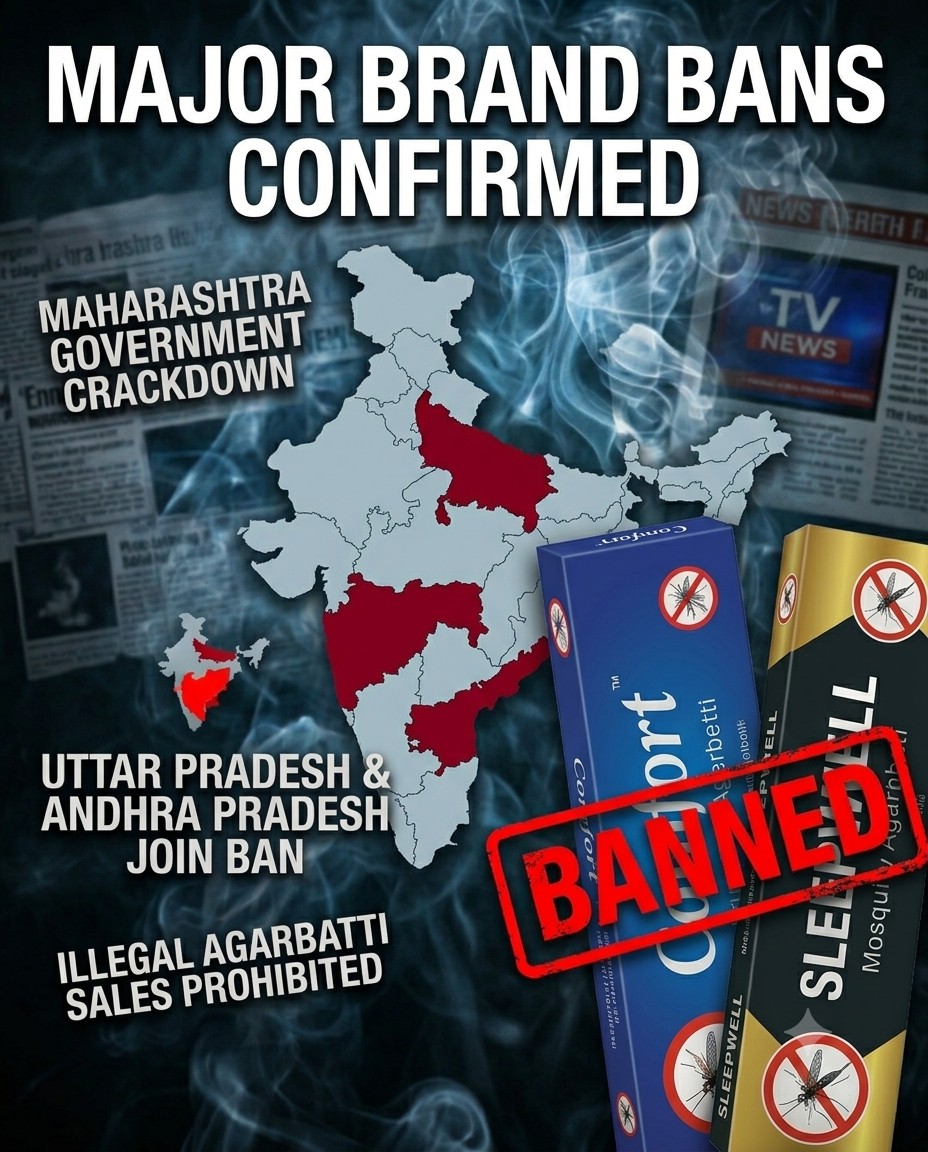
Officials state that manufacturing or selling mosquito repellents containing unapproved chemicals or without valid registration is a violation of Indian law.
Since 2018, enforcement agencies have reportedly conducted more than 150 raids against manufacturers and distributors of illegal mosquito agarbattis. Raids have been reported in states including Maharashtra, Uttar Pradesh and Andhra Pradesh, targeting several alleged illegal brands.
Consumers in Karnataka have also been advised to exercise caution regarding unregistered mosquito repellent incense sticks marketed under names such as Spoorthi Mosquito Controller, Soorya and No Entry, among others.
How consumers can identify legal products
Consumer safety experts recommend purchasing only government-approved mosquito repellent incense sticks from reputed manufacturers.
Before buying, consumers should:
- Check whether the product carries a valid CIR (Certificate of Registration) number issued under Indian insecticide regulations.
- Verify that the packaging clearly displays the manufacturer’s name, ingredients and statutory information.
- Avoid products lacking proper labelling or regulatory details.
- Report suspected illegal or unregistered products to the Home Insect Control Association (HICA) or the concerned local authorities.
Awareness key to protecting families
Public health experts say greater consumer awareness is essential to curb the spread of illegal mosquito repellents in the market.
While affordability often influences purchasing decisions, experts emphasise that choosing registered, government-approved mosquito repellents can help reduce potential health risks and ensure safer protection against mosquitoes.