


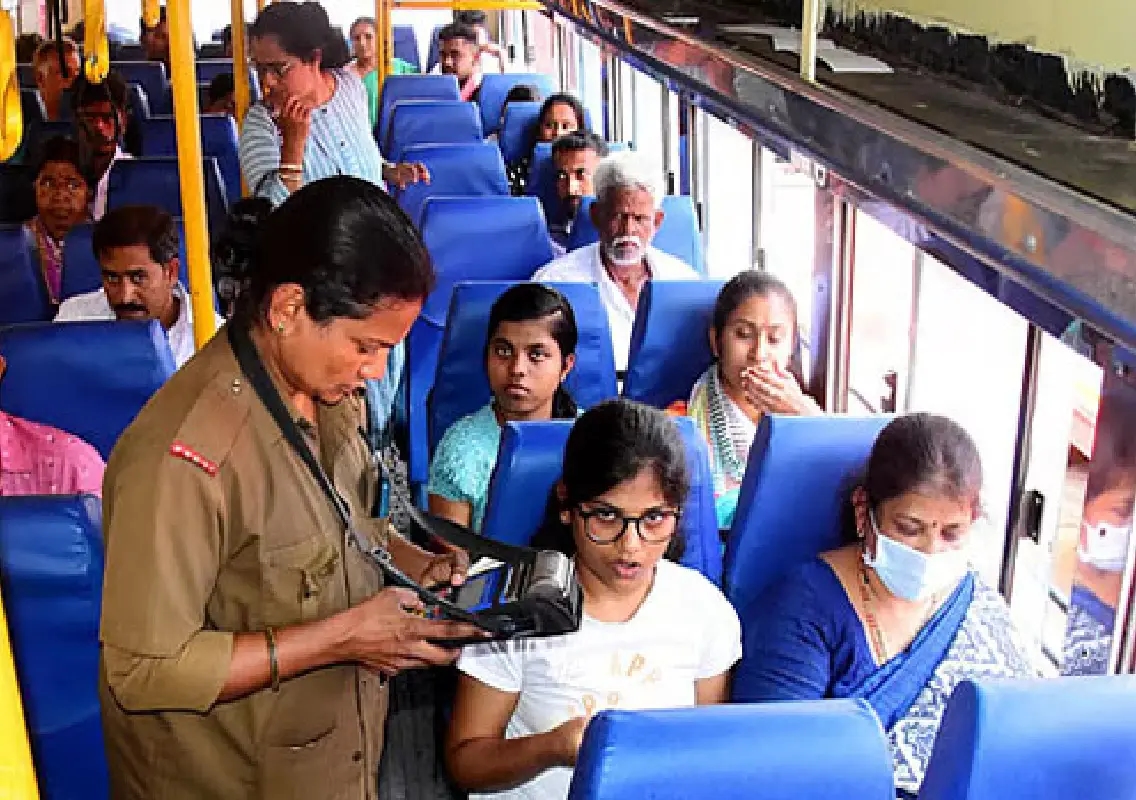


Bengaluru Karnataka’s state-run transport corporations are facing another operational challenge as a shortage of paper rolls used for printing bus tickets has reportedly forced conductors to issue a single ticket to three or four passengers travelling together. The development comes just days after a diesel shortage disrupted bus services over unpaid dues to oil companies.
The latest shortage has raised concerns about the financial difficulties confronting the state transport corporations, which are reportedly struggling to meet operational expenses amid mounting payment obligations and delays in government reimbursements.
The unusual ticketing practice has also triggered discussion among commuters, as conductors attempt to conserve the limited supply of paper rolls and keep bus services running.
Conductors issue common tickets to save paper
With supplies of ticket-printing rolls running low, conductors are reportedly grouping three or four passengers travelling to the same destination and issuing a single printed ticket for the group.
The practice is intended to conserve paper until fresh supplies become available. In some locations, conductors have reportedly been borrowing ticket rolls from colleagues to manage the shortage and continue issuing tickets.
The problem has been particularly noticeable on services operated by the Kalyana Karnataka Road Transport Corporation (KKRTC), including buses running on the Bidar–Kalaburagi route and several other routes.
Electronic ticketing machines (ETMs) used by conductors require dedicated paper rolls to print passenger tickets. A disruption in the supply of these consumables can therefore affect routine ticketing operations, even when buses remain available for service.
The shortage has placed additional pressure on frontline employees, who must manage passenger ticketing while dealing with limited supplies.
Paper suppliers reportedly await payments
The shortage has reportedly been linked to delays in clearing outstanding payments to suppliers of ticket-printing paper rolls.
With payments pending, suppliers have reduced or delayed the delivery of fresh stock, leaving some conductors with insufficient supplies for regular operations.
The situation highlights how delays in payments for relatively small but essential operational items can affect public transport services. While fuel is necessary to keep buses running, ticket paper is required to maintain routine ticketing and fare collection.
The extent of the shortage across all four state-run transport corporations was not immediately clear. However, reports of conductors sharing rolls and issuing common tickets have raised questions about supply management and the timely settlement of vendor dues.
Ticket paper shortage follows diesel crisis
The latest development comes days after a diesel shortage reportedly disrupted bus operations in Karnataka.
The transport department was reported to have outstanding dues of more than Rs 170 crore payable to oil companies. The delay in clearing the bills affected fuel supplies and resulted in the cancellation of several bus trips.
The diesel shortage had already highlighted the financial and operational pressures facing the state-run transport corporations. The emergence of a ticket-paper shortage has now added another concern for the agencies responsible for providing public transport across the state.
The two disruptions involve different essential supplies, but both have reportedly been associated with pending payments. Together, they have drawn attention to the importance of ensuring that transport corporations have sufficient funds to meet their routine operating expenses.
Shakti scheme and reimbursement delays under scrutiny
The financial pressures have also brought renewed attention to the implementation of the Karnataka government’s Shakti scheme, which provides free bus travel to eligible women within the state.
The scheme has contributed to a significant increase in women using public transport, expanding access to mobility for passengers travelling for work, education, healthcare and other daily needs.
However, delays in the reimbursement of subsidies and other payments due from the government have reportedly placed additional pressure on the finances of the transport corporations.
The corporations must continue to operate services and meet expenses such as fuel, employee salaries, vehicle maintenance and supplies required for ticketing. Any delay in receiving funds can complicate the management of these obligations.
The Shakti scheme has become an important part of Karnataka’s public transport system, but the reported shortages have highlighted the need for timely reimbursement and effective financial planning to support uninterrupted operations.
Operational challenges affect frontline staff
The shortage of ticket rolls has left conductors with the task of managing passenger travel using limited resources. Borrowing supplies from colleagues and issuing common tickets to passengers travelling together are reported measures to stretch the available stock.
Such arrangements may help crews manage immediate shortages, but sustained disruptions could make routine ticketing more difficult, particularly on busy routes with high passenger volumes.
Clear instructions from transport authorities are important to ensure that ticketing procedures remain consistent and passengers receive appropriate proof of travel while supplies are limited.
The situation also underlines the importance of maintaining adequate inventories of essential consumables and ensuring that suppliers receive payments on time.
Financial management key to maintaining services
Karnataka’s transport corporations play a major role in connecting urban centres, towns and rural communities. Maintaining regular bus services requires reliable access to fuel, ticketing materials, vehicle parts and other essential supplies.
The recent diesel disruption and the reported shortage of ticket-printing paper have brought these operational requirements into focus. Timely government reimbursements, prompt settlement of vendor dues and effective supply-chain management will be important in preventing further disruptions.
The immediate challenge is to restore adequate supplies of ticket rolls and ensure that conductors can issue individual tickets through the normal process. The broader concern is the financial stability of the transport corporations and their ability to maintain dependable services while meeting the costs of existing welfare commitments and daily operations.