









Bengaluru: The Karnataka government has constituted a five-member Cabinet sub-committee to examine the growing concerns of students and recommend comprehensive reforms in the education system. The move comes amid increasing youth mobilisation and nationwide student protests over issues including examination integrity and paper leaks.
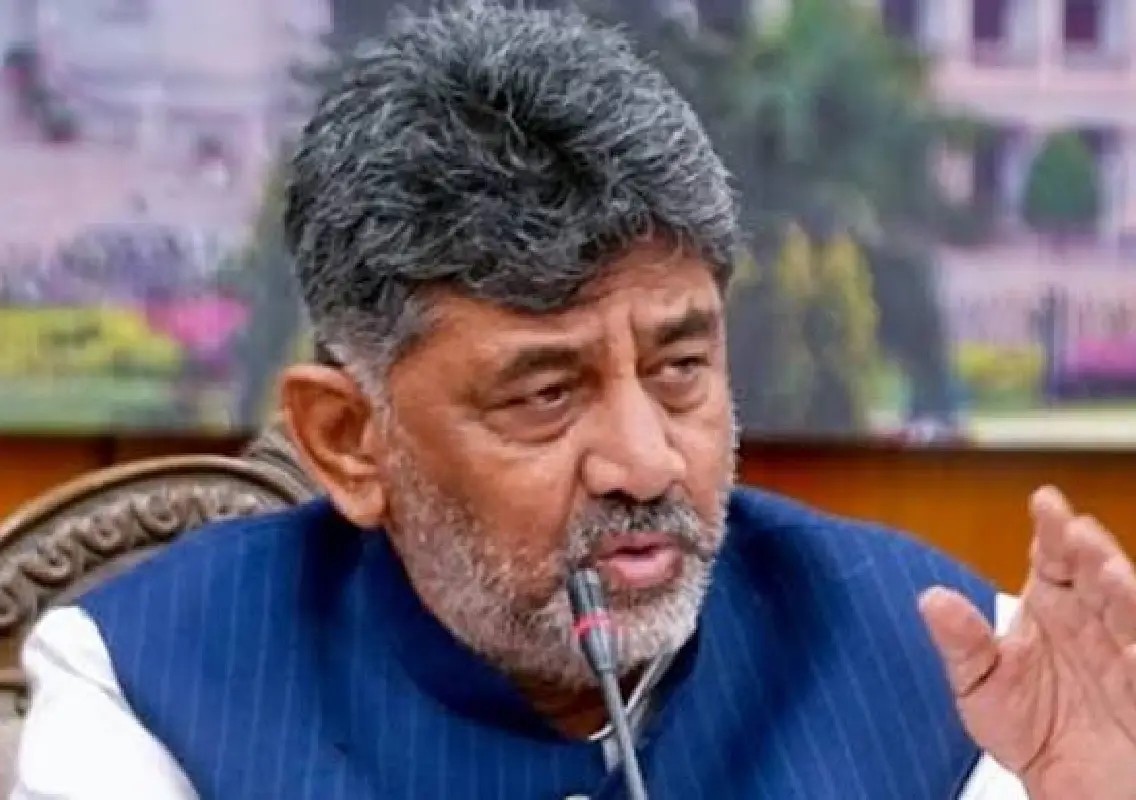
The decision was taken at a Cabinet meeting chaired by Chief Minister D K Shivakumar, with the government seeking a detailed assessment of the systemic challenges confronting students and measures to address their grievances.
U T Khader to lead high-level panel
Health and Family Welfare Minister U T Khader will chair the newly constituted Cabinet sub-committee. The panel includes Basavaraj Rayareddy, Minister for Higher Education; Priyank Kharge, Minister for Home, IT/BT and E-Governance; Dr Sharan Prakash Patil, Minister for Medical Education and Skill Development; and Madhu Bangarappa, Minister for School Education and Literacy.
The committee has been given one month to submit its findings and recommendations to the government.
The government’s decision reflects growing attention to issues affecting students across different stages of education, particularly concerns about the credibility of examinations, academic pressure and the need for stronger institutional support.
Focus on exam integrity and paper leaks
One of the major areas before the committee will be ensuring greater integrity in examinations and preventing question paper leaks. Examination-related controversies in recent years have increased concerns among students and families about fairness and transparency in the education system.
The panel is expected to examine existing safeguards and identify measures that can strengthen the examination process. Better coordination between departments and the use of technology could also form part of the broader reform effort.
Ensuring that students can compete on a level playing field is crucial for maintaining confidence in competitive and academic examinations.
Student mental health among priorities
The committee will also examine issues related to student mental health. Academic pressure, competition, uncertainty over examinations and concerns about future employment have emerged as important challenges for young people.
By bringing ministers from school, higher and medical education, as well as health and technology-related portfolios, the government has attempted to adopt a broader approach to student welfare.
The panel’s recommendations could therefore extend beyond examination reforms to measures aimed at creating a more supportive educational environment for students.
Wider education reforms planned
The formation of the committee comes at a time when young people, particularly members of Generation Z, have increasingly emerged as an influential voice in public debates. Nationwide student protests over examination-related concerns have added urgency to discussions about accountability and reform.
The Karnataka government has indicated that the panel will look at systemic challenges rather than focusing on a single examination or department.
Its report is expected to identify areas where existing policies and practices can be strengthened and recommend reforms that could improve transparency, student welfare and the overall quality of education.
The one-month deadline also indicates that the government wants the exercise to move quickly from consultation to concrete recommendations.
With students and parents demanding greater confidence in the education system, the committee’s findings could play an important role in shaping Karnataka’s approach to examination security, mental health support and education reform.