









Bengaluru: Nearly 800 children engaged in labour were rescued across Karnataka during a major statewide crackdown, with Bengaluru accounting for 503 of the rescued children. The operation involved inspections at thousands of workplaces and has brought renewed attention to the continued presence of child labour in commercial establishments across the State.
Bengaluru accounts for the highest number of rescues
Bengaluru recorded the highest number of rescued children during the drive, with 503 children found engaged in labour. Officials inspected 5,897 premises across the city as part of the enforcement operation, according to police data reported by local media.
The large number of rescues in Bengaluru highlights the scale of the challenge in the State capital, where children were found working in different types of establishments. The crackdown comes shortly after authorities stepped up action against child labour following complaints and directions from the State government.
Earlier this week, a separate operation at the Yeshwanthpur APMC market resulted in 29 children being rescued. Four FIRs were registered against shop owners, while the Labour Department also filed cases over alleged violations of child labour laws.
Nearly 17,000 workplaces inspected across Karnataka
The statewide operation covered approximately 17,000 workplaces across Karnataka. Nearly 800 children were rescued from establishments including hotels, eateries, garages and shops, underlining that child labour continues to be present across several informal and commercial sectors.
Apart from Bengaluru, several other districts also reported rescues. Vijayapura accounted for 72 children, while 33 children were rescued in Tumakuru and 27 in another district, according to figures cited in reports on the operation.
The scale of the exercise makes it one of the major recent enforcement drives against child labour in Karnataka. Authorities are expected to pursue legal action against establishments found employing children in violation of labour laws.
Action follows renewed focus on child labour
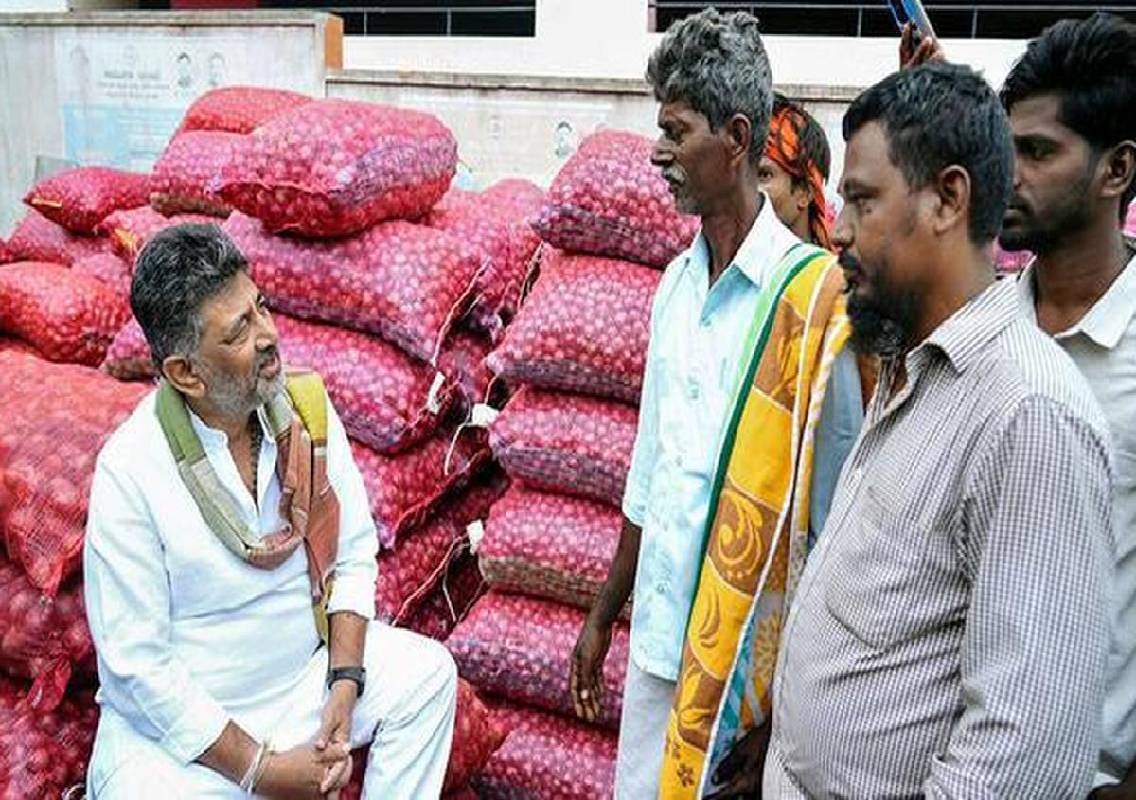
The latest drive follows increased attention to child labour in Bengaluru and across Karnataka. Chief Minister D.K. Shivakumar had earlier directed officials to act after complaints about children working at establishments in the Yeshwanthpur APMC market.
Following his visit to the market, police and Labour Department officials formed teams to inspect shops in the area. The operation resulted in the rescue of 29 children, including 19 who were reportedly employed in shops. Four FIRs were registered against shop owners.
The incident demonstrated how targeted inspections can uncover children working in commercial establishments and prompted further enforcement action.
Child labour remains a major concern
The rescue of hundreds of children in a short period has raised concerns about the effectiveness of existing checks and the need for sustained monitoring. While enforcement drives can remove children from workplaces, officials also face the challenge of ensuring that rescued children receive appropriate rehabilitation and are able to return to education.
Authorities must also ensure that employers found violating child labour provisions face appropriate legal action. Regular inspections, coordination between the police and Labour Department, and follow-up monitoring can help prevent rescued children from being pushed back into employment.
Rehabilitation remains crucial after rescue
Rescuing children from workplaces is only the first step in addressing child labour. The authorities need to identify the children, assess their individual circumstances and ensure that they receive access to education, welfare support and rehabilitation measures.
The statewide figures also indicate the need for continued inspections rather than isolated enforcement campaigns. Bengaluru’s 503 rescues, in particular, show that the issue requires sustained attention in the city’s markets, shops, eateries and other establishments.
The latest crackdown has therefore put the spotlight not only on enforcement but also on the need for stronger preventive measures to ensure children remain in school rather than workplaces.
Conclusion
The rescue of nearly 800 child labourers across Karnataka, including 503 in Bengaluru, marks a significant enforcement action against illegal child employment. With thousands of workplaces inspected, authorities now face the task of ensuring strict legal action against violators while providing rescued children with meaningful rehabilitation and opportunities to return to education.