







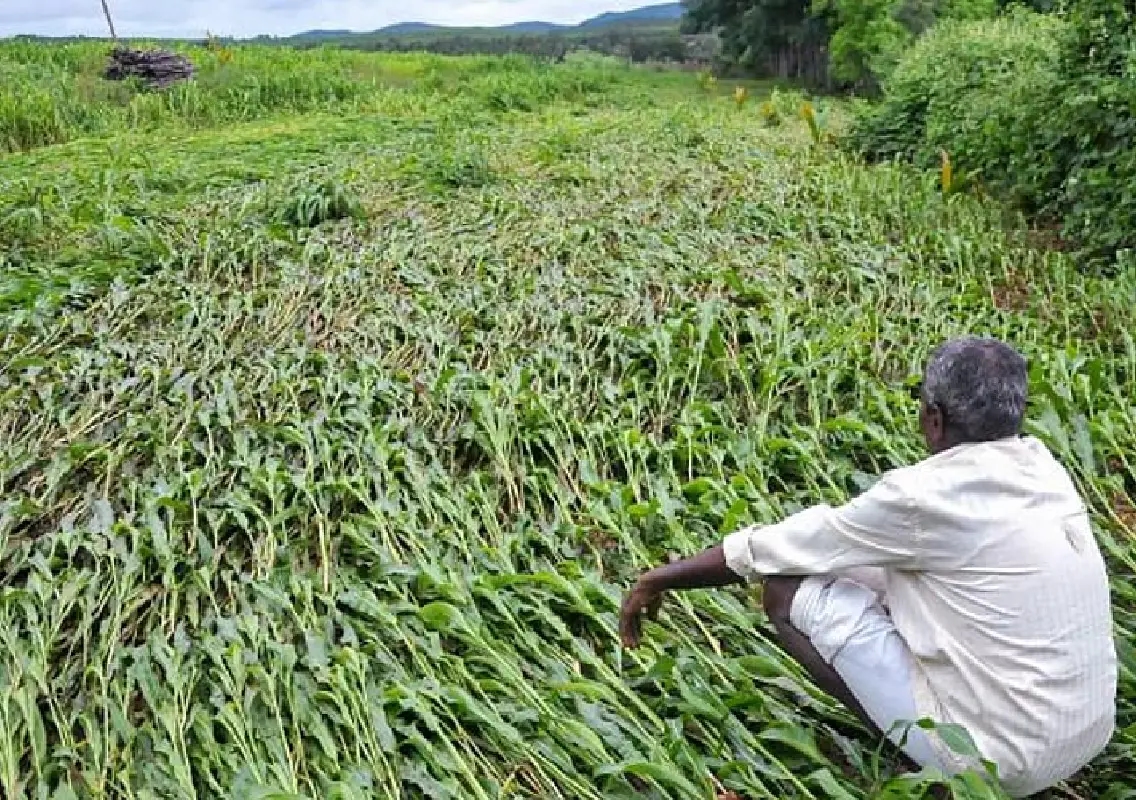


Massive floods along the Bhima river have led to extensive crop losses covering over 10 lakh hectares, and more than 10,500 people from 117 villages in Kalaburagi, Yadgir, and Vijayapura districts were relocated to 80 relief centres, Chief Minister Siddaramaiah said on Tuesday.
Relief measures and compensation announced
Addressing the media after conducting an aerial survey of the affected regions, Siddaramaiah said the state government would provide additional financial support to farmers impacted by the floods.
“While the National Disaster Response Fund (NDRF) provides Rs 8,500 relief per hectare for dry land, Rs 17,000 for irrigated land, and Rs 22,500 for multi-year crops, the state government will release an additional Rs 8,500 per acre,” he said, estimating the additional expenditure at around Rs 2,000–2,500 crore.
Preliminary assessments indicate that 9.6 lakh hectares of crops were affected, with 8.88 lakh hectares under agricultural crops and the remainder under horticulture. The figures are expected to rise following a joint survey of the flood-hit areas.
Damage to houses and infrastructure
The floods also caused significant damage to residential properties, with 547 houses fully destroyed. The government will provide Rs 1.2 lakh compensation per house, and a total of Rs 23.12 crore has already been released to victims whose homes were damaged or lost.
Since the beginning of the monsoon in June, 52 people have died in rain-related incidents across the state, including 15 from wall collapses and 23 due to drowning, the chief minister added. He assured that relief would be extended to all affected individuals.
Causes and context
Siddaramaiah attributed the disaster to climate change and unusually high rainfall in North Karnataka this year. He noted that the floods were exacerbated by heavy rainfall upstream in Maharashtra, which led to large discharges from dams, causing the Bhima river to overflow.
Government response and ongoing efforts
The state administration is actively coordinating with local authorities to ensure the prompt distribution of relief and to monitor ongoing risks. Officials are continuing aerial and ground assessments to determine the full extent of damage and prioritise relief operations.
The government has emphasised the importance of supporting both farmers and displaced residents while taking measures to strengthen flood preparedness in the future.