







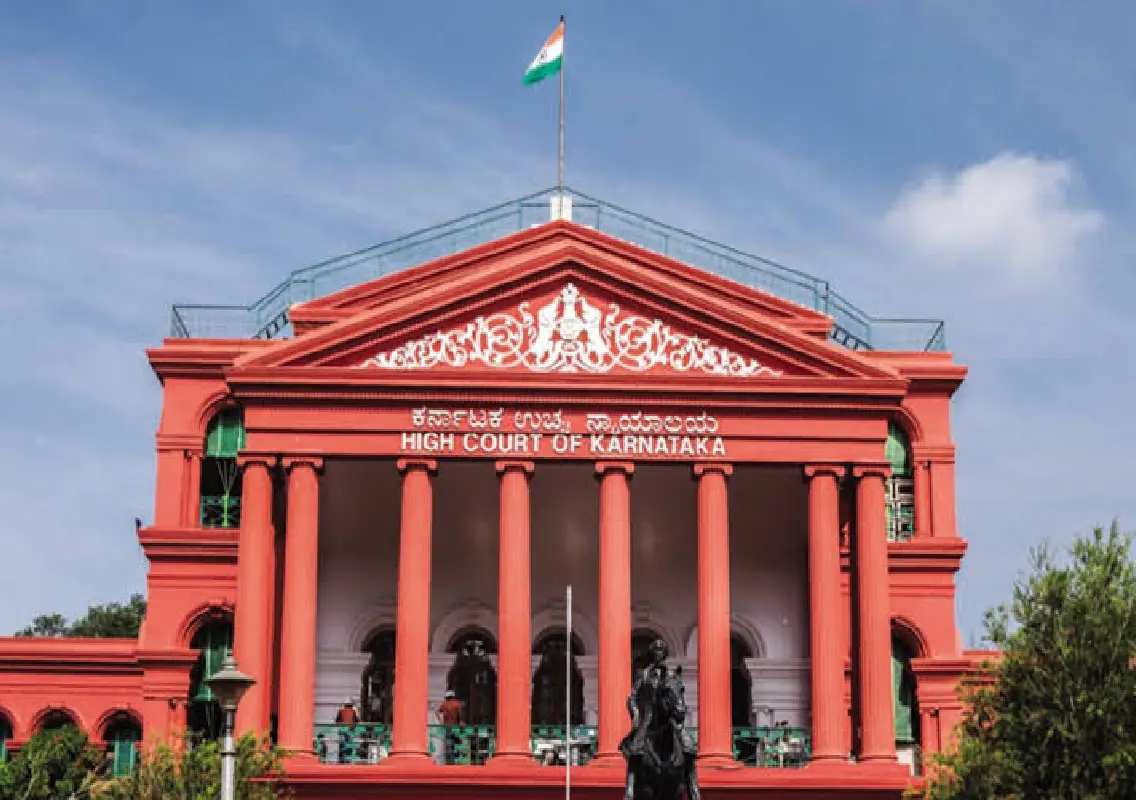


Bengaluru: The Karnataka High Court has quashed the state government’s decision to increase reservation for Scheduled Castes (SCs) and Scheduled Tribes (STs), setting aside the measure that raised the overall reservation quota in Karnataka from 50% to 56%.
The order was passed by a division bench comprising Chief Justice Vibhu Bakhru and Justice K S Hemalekha in a public interest litigation filed by Mahendra Kumar Mitra. The petition challenged the enhancement of reservation in educational institutions and state government services under the Karnataka Scheduled Castes and Scheduled Tribes (Reservation) Act, 2022.
The ruling marks a significant development in the legal dispute over the state’s revised reservation framework. The consequences for recruitment, appointments and educational admissions will depend on the court’s operative directions and subsequent action by the state government.
How Karnataka’s reservation quota was increased
The state government had increased reservation for Scheduled Castes from 15% to 17% and for Scheduled Tribes from 3% to 7%. The combined quota for the two communities consequently rose from 18% to 24%, taking the overall reservation in Karnataka to 56%.
The changes were based on recommendations made by the Justice Nagamohan Das Committee, which examined the existing reservation structure and recommended revisions based on population considerations.
The committee proposed an increase of two percentage points for Scheduled Castes and four percentage points for Scheduled Tribes. The recommendations were subsequently discussed at an all-party meeting, where political parties agreed to their implementation.
The then BJP government, led by Basavaraj Bommai, initiated the process of giving legal effect to the proposed changes.
Ordinance and gazette notification
Following the committee’s recommendations and consultations, the state Cabinet approved a draft measure to enhance reservation for the two communities. The government subsequently promulgated an ordinance, which received the Governor’s approval.
A special gazette notification was then issued to formalise the revised percentages.
The enhanced quota covered 103 sub-castes within the Scheduled Castes category and 56 sub-groups within the Scheduled Tribes category. The government justified the increase by citing the committee’s findings and the need to revise the existing allocation.
However, the move faced a legal challenge over the enhancement of reservation in educational institutions and state government employment.
PIL challenged the enhanced reservation
Mahendra Kumar Mitra approached the High Court through a public interest litigation, questioning the legality of the higher reservation percentages introduced under the 2022 Act.
The petition brought the state’s decision to increase the combined SC and ST quota before the court for judicial scrutiny.
The High Court has now set aside the government’s decision to implement the enhanced quotas, overturning the measure that raised the total reservation level to 56%.
The judgment brings the revised reservation framework into question and is expected to prompt further discussion on the legal and administrative steps available to the state government.
What happens next?
The state government’s next course of action will be important in determining the future of the revised reservation policy. Any decision to challenge the judgment before a higher court, along with further directions issued by the judiciary, could shape the next stage of the legal process.
The ruling may also have implications for recruitment notifications, appointments and admissions where the enhanced reservation percentages were intended to apply. However, the precise impact will depend on the operative portion of the judgment and any directions governing pending or ongoing processes.
The state government and the relevant authorities will need to consider the court’s directions while determining how to proceed with reservation-related administrative decisions.
The case remains an important development in Karnataka’s reservation debate, which centres on the allocation of quotas for Scheduled Castes and Scheduled Tribes and the legal framework governing such changes.