


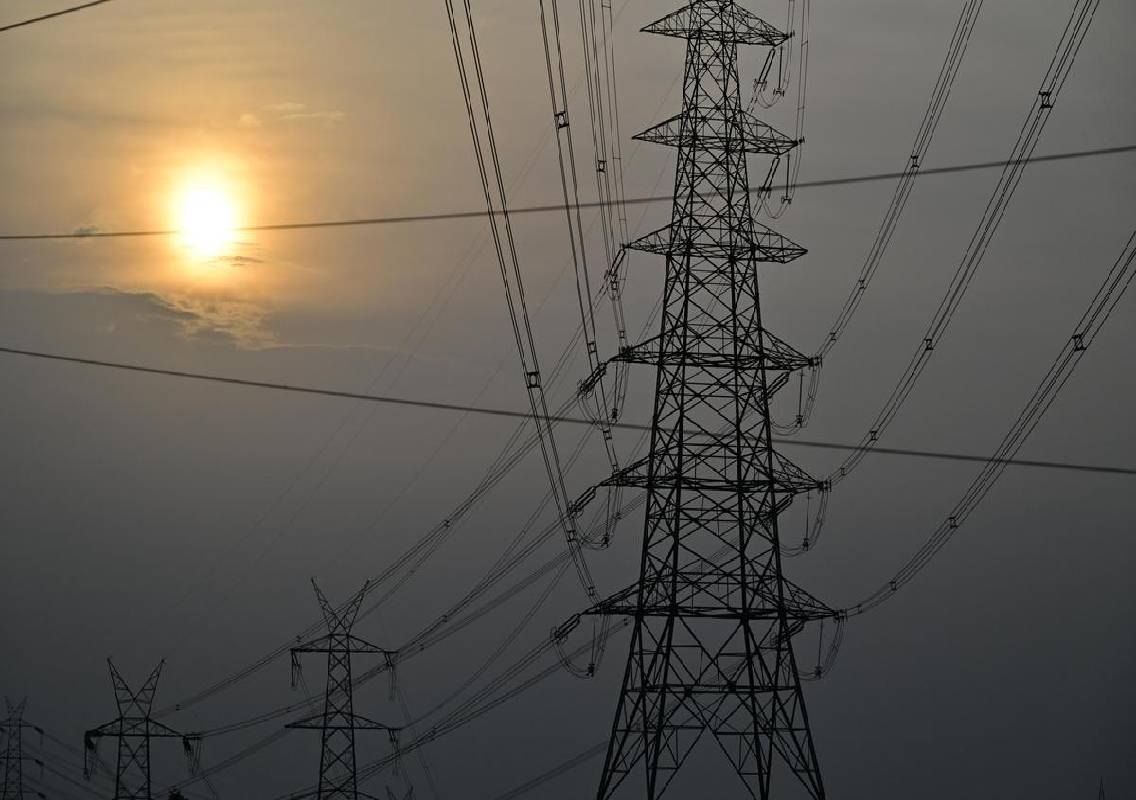


Bengaluru: Karnataka is stepping up preparations to meet rising electricity demand in the coming summer months even as consumers across the State continue to report frequent power interruptions.
The Energy Department has increased power availability by more than 3,000 MW through a combination of State thermal generation, power procurement and supplies from other sources. Officials have also begun planning additional capacity and energy storage to manage periods of high demand.
The preparations come after Karnataka witnessed a sharp increase in electricity consumption in September. Demand crossed 20,000 MW during the month, while consumers in Bengaluru and other districts complained of repeated interruptions attributed to maintenance, overloading and local network issues.
Power demand rises sharply
Karnataka’s electricity demand increased considerably during September, driven partly by higher temperatures, irrigation requirements and increased use of air-conditioners.
The State recorded a peak demand of 20,094 MW on September 11, the highest recorded at that point in 2026. Officials had earlier said demand had risen by around 30–35% in September, exceeding the increase anticipated under normal seasonal planning.
The pressure on the electricity system was particularly visible as poor monsoon conditions reduced hydropower availability. With reservoirs at relatively lower levels, a greater share of the requirement had to be met through thermal and renewable sources.
However, a late spell of rainfall towards the end of September provided some relief. Karnataka’s daily power demand fell by around 25% by October 1 after crossing 20,000 MW a few days earlier. The reduction was attributed partly to lower irrigation and air-conditioning consumption following the rains.
Consumers continue to report outages
Despite the improvement in overall availability, consumers in several parts of Karnataka have continued to complain about power interruptions.
Residents in Bengaluru and other cities have reported outages lasting from a few minutes to several hours. Some consumers have attributed the disruptions to maintenance work, while officials have also pointed to overloading and line-related issues.
The Energy Department has maintained that not all interruptions are the result of a shortage of electricity. Maintenance of substations and transmission infrastructure, line clearance and local overloading can also lead to temporary disruptions.
The distinction is significant because adequate generation capacity does not automatically guarantee uninterrupted electricity at the consumer level. Power generated at plants must pass through transmission and distribution networks before reaching homes, businesses and agricultural consumers.
State scales up supply by over 3,000 MW
The Energy Department has said it has increased power availability by more than 3,000 MW to address the additional requirement.
Energy Minister K.J. George said Karnataka is preparing to meet electricity demand in the coming months and is exploring additional procurement arrangements with other States.
The State has also procured 2,000 MW of thermal power in recent months. Annual maintenance schedules of Karnataka Power Corporation Limited thermal units have been optimised to keep more generating units available, while efforts are under way to build adequate coal stocks.
The State is also looking at power banking arrangements with northern States. According to officials, power borrowed earlier is expected to become available to Karnataka from November, providing an additional source during periods of higher demand.
Additional power expected from November
Additional supplies are expected to strengthen Karnataka’s position before the next major summer demand period.
Officials said around 1,000 MW of power would become available from November 1 as Karnataka stops returning power that had previously been borrowed from northern States.
Another 230 MW is also being taken in advance from other generators, while an additional 236 MW has been allocated to Karnataka from the Central pool.
The Union government has also issued a Section 11 notification effective October 1. The measure is expected to make additional power available through electricity exchanges.
These arrangements are intended to provide the State with greater flexibility as electricity consumption rises again during the summer.
Coal stocks being strengthened
Thermal power is expected to remain an important part of Karnataka’s electricity mix, particularly when hydropower generation is constrained.
The State has therefore been working to strengthen coal availability at its thermal power stations. Karnataka recently secured an additional 85 lakh tonnes of coal amid concerns over reduced hydropower generation, higher electricity demand and declining coal stocks.
Maintaining sufficient coal stocks is important because interruptions in fuel supply can affect the availability of thermal generating units precisely when demand is at its highest.
The Energy Department has also been reviewing maintenance schedules to ensure that generating units are available during periods of peak requirement.
Energy storage gets greater focus
Karnataka is also looking beyond conventional generation and procurement to strengthen long-term power security.
Energy storage systems are being developed to help the State manage peak demand and make better use of renewable energy. Battery Energy Storage Systems can store electricity when supply is relatively high and make it available when demand rises.
Projects totalling 500 MW/1,000 MWh are at various stages of implementation under KPTCL, according to the Energy Department.
KREDL is also pursuing a 250 MW solar project with 1,100 MWh of battery storage at Pavagada Solar Park.
Another storage project with a combined capacity of 900 MWh is being taken up at Kushtagi and Huliyurdurga. The projects are intended to improve the flexibility of the electricity system as Karnataka increases its dependence on renewable generation.
Demand expected to remain a challenge
The sharp increase in electricity consumption during September has highlighted the difficulty of forecasting demand in advance.
Officials had earlier prepared for increases of around 20–25%, but actual demand growth during September was substantially higher. The Energy Department attributed part of the increase to the effects of El Niño, higher temperatures and increased cooling demand.
Agricultural consumption is another major factor. Irrigation pump sets can significantly increase electricity demand when rainfall is inadequate. The recent rainfall temporarily reduced this requirement, but demand could rise again if dry conditions return.
This makes resource planning important not only for the peak summer months but also for periods when weather conditions change rapidly.
Generation alone may not prevent outages
The continuing complaints from consumers also underline the importance of strengthening the distribution network.
The Central Electricity Authority has previously advised State distribution companies to move towards more proactive summer planning, including preventive maintenance, demand forecasting, stronger distribution infrastructure and faster fault restoration.
Problems such as overloaded transformers and feeders, inadequate substation capacity, ageing equipment and local network bottlenecks can cause consumer-level outages even when sufficient electricity is available in the wider grid.
For Karnataka, ensuring reliable supply will therefore require attention to both electricity generation and the infrastructure that delivers it to consumers.
Karnataka prepares for the next summer
With the late September rainfall providing temporary relief, officials now have an opportunity to strengthen the State’s power position before temperatures rise again.
The combination of additional thermal power, coal stocks, power procurement, Central pool allocations, power banking and battery storage is expected to provide more options for managing demand.
At the same time, continued investment in transmission and distribution infrastructure will be important to reduce local outages and improve reliability for households, businesses and farmers.
Conclusion
Karnataka is preparing for the next summer by increasing power availability, securing additional thermal power and coal, exploring interstate procurement and developing battery storage projects. While recent rainfall has temporarily reduced demand, consumer complaints over local outages show that strengthening distribution infrastructure will remain equally important for ensuring reliable electricity supply.