


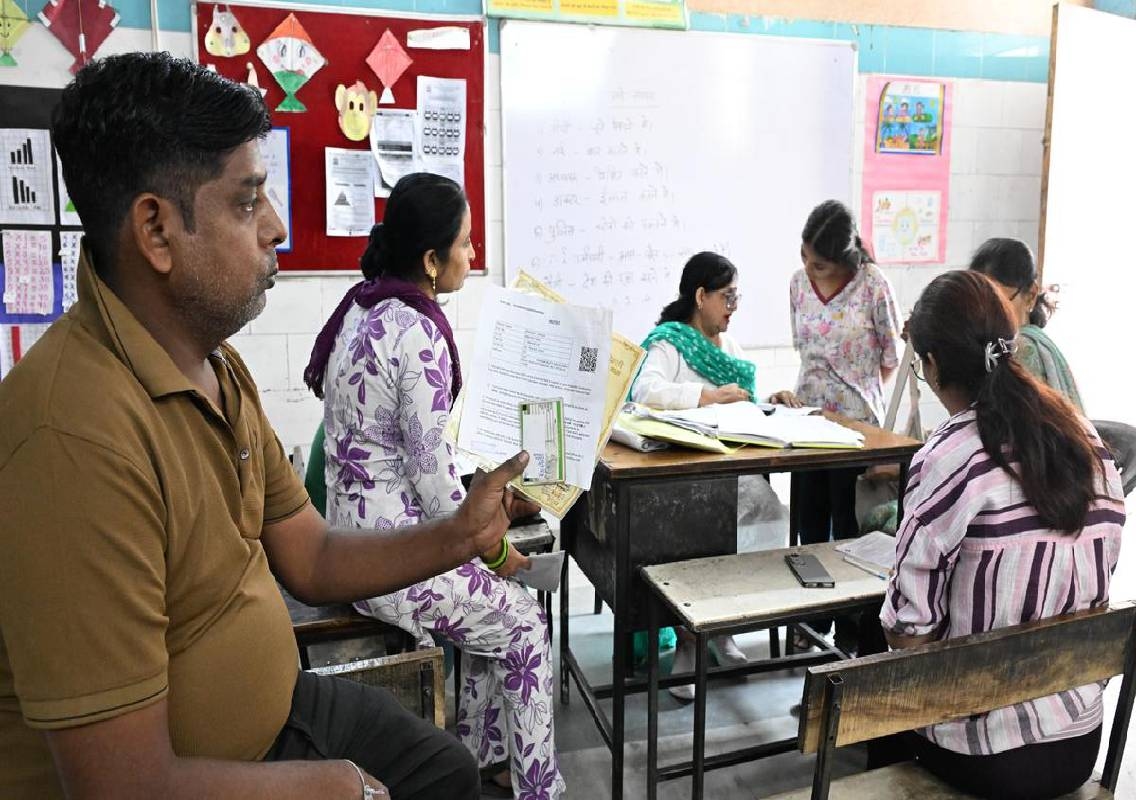


BENGALURU: The ongoing Special Intensive Revision (SIR) of electoral rolls in Karnataka has brought to light unusual cases in which 37 voters reportedly filed Form 7 applications declaring themselves dead, while 334 pairs of applicants allegedly declared each other dead.
The cases have drawn attention amid a wider controversy over the use of Form 7, which allows objections to the inclusion of a name or requests for deletion of an existing entry from the electoral roll. The unusual declarations have raised questions about the accuracy of information submitted during the voter-list revision process.
The figures come as Karnataka’s electoral authorities continue examining applications and complaints linked to the SIR exercise.
Unusual declarations emerge during voter-list revision
According to the figures cited in the report, 37 voters submitted applications stating that they were dead, while 334 pairs of applicants reportedly filed forms declaring one another dead.
The cases highlight the importance of verifying information submitted through the electoral process. A declaration that a voter has died can have serious consequences if accepted without proper checks, potentially resulting in an eligible elector’s name being removed from the rolls.
However, the filing of an application does not automatically mean that a voter’s name will be deleted. The information must be examined by the relevant election authorities in accordance with the prescribed procedure.
The circumstances behind the unusual declarations, including whether they resulted from errors, deliberate false statements or other reasons, require verification.
What is Form 7?
Form 7 is used to raise an objection to the inclusion of a name in the electoral roll or seek deletion of an existing entry. Grounds for requesting deletion can include the death of a voter, permanent shifting, duplicate registration and other reasons recognised under election rules.
During the SIR exercise, election officials verify voter details and process claims and objections before finalising the electoral rolls.
Karnataka Chief Electoral Officer V. Anbukumar has clarified in earlier statements that the submission of a Form 7 application does not, by itself, result in the deletion of a voter’s name. The concerned elector must be notified, and the prescribed verification and hearing process must be followed before a deletion decision is made.
This procedure is intended to prevent eligible voters from being removed from the rolls solely on the basis of an objection submitted by another person.
Form 7 filings under scrutiny across Karnataka
The latest figures emerge amid allegations of large-scale and potentially fraudulent Form 7 submissions in several parts of Karnataka.
Political leaders have raised concerns over bulk applications seeking deletion of voters’ names, with complaints reported from constituencies including Bengaluru, Belagavi, Vijayapura, Bhalki and other areas.
The controversy intensified after Chief Minister D.K. Shivakumar and Congress legislators approached the state’s Chief Electoral Officer, seeking an investigation into alleged false applications. The Congress has alleged that eligible voters were targeted through bulk filings, while the BJP has disputed accusations against its workers.
Separate police complaints and investigations have also been reported in connection with alleged false declarations. These cases remain subject to the relevant legal and administrative processes, and allegations should not be treated as established findings of guilt.
Election authorities have directed officials to take action where knowingly false declarations are established, following the prescribed inquiry. Under Section 31 of the Representation of the People Act, 1950, knowingly making a false declaration in connection with electoral rolls can attract legal consequences.
Verification remains crucial
The reported cases of voters declaring themselves or one another dead underline the need for careful scrutiny of electoral records. Accurate voter lists are essential to ensure that eligible citizens retain their right to vote while ineligible or duplicate entries are addressed through lawful procedures.
As Karnataka’s SIR process continues, the key issue will be whether the claims made in the applications are supported by evidence and whether the prescribed verification procedures have been followed.
The reported figures have added another dimension to the debate over Form 7 applications in the state. Further clarification from election authorities would be necessary to establish the circumstances of these specific cases and whether any action has been initiated in response.