




Bengaluru: Karnataka’s new Textile and Apparel Policy 4.0 is set to encourage investment and employment opportunities beyond Bengaluru, with a focus on strengthening textile manufacturing in Tier-2 and Tier-3 cities and developing industrial clusters across the state.
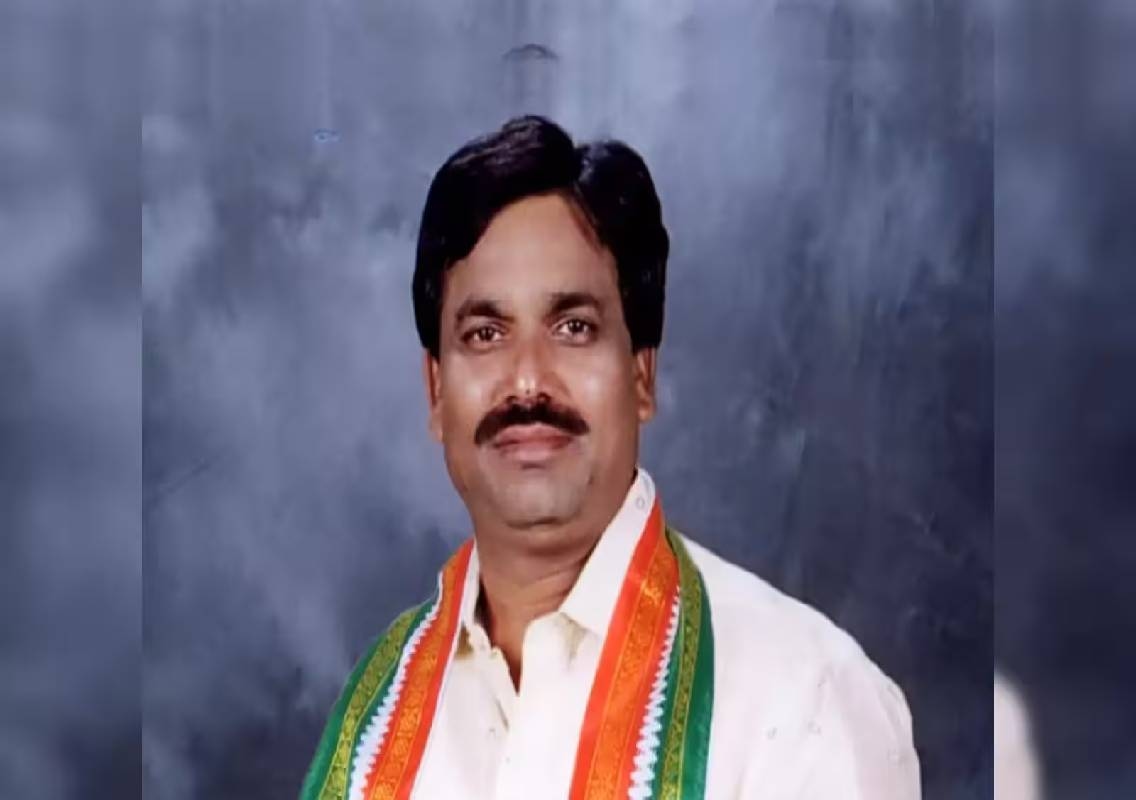
Textile Minister Rudrappa Lamani said the policy would help spread industrial activity to more regions instead of concentrating investment in Bengaluru and other established centres. The five-year policy, covering 2026–31, aims to attract ₹20,000 crore in investment and generate five lakh new jobs in the textile and apparel sector.
₹20,000 crore investment target and five lakh jobs
The state government has set an ambitious target of attracting ₹20,000 crore in domestic and foreign investment across the textile value chain over the next five years. The policy also aims to create five lakh employment opportunities, with particular emphasis on young people, women and disadvantaged communities.
The government has earmarked a financial outlay of ₹4,000 crore for implementing the policy. It is intended to strengthen Karnataka’s position as a major textile and apparel manufacturing destination while encouraging investment in areas that have not traditionally attracted large-scale industrial activity.
The policy focuses on expanding production capacity, modernising manufacturing facilities, improving exports, developing skills and promoting high-value textile products.
Focus on Tier-2 and Tier-3 cities
A major feature of the policy is its emphasis on regional development. The government intends to encourage investors to establish units in selected taluks and smaller cities by offering additional incentives and infrastructure support.
The approach follows the proposed ‘One District – One Taluk – One Global Textile Product’ initiative, which seeks to identify the textile strengths of individual regions and promote products linked to their local resources and traditional skills.
The policy identifies 34 focused taluks for investment and development. Eligible units in these areas can receive additional incentives and concessions to encourage new projects and generate local employment.
The government also plans to strengthen existing handloom, powerloom and garment clusters by supporting common facility centres, testing laboratories, marketing complexes, design studios and other essential infrastructure.
Kalaburagi PM MITRA Park to receive special attention
The proposed PM MITRA textile park at Kalaburagi is expected to play an important role in the state’s regional industrial development plans. Spread across approximately 1,000 acres, the project aims to attract investments of ₹10,000 crore and generate one lakh direct and two lakh indirect jobs.
The government has also approved ₹390.26 crore for providing essential infrastructure, including roads, water supply and electricity up to the park entrance. Special incentives and concessions are planned to attract textile companies to the facility.
The policy also identifies Shiggaon Textile Park in Haveri district as an important manufacturing location. The government has sanctioned ₹31.25 crore for developing common infrastructure at the park.
Silk production and technical textiles included
For the first time, activities related to silk yarn production, including silk reeling and spinning, have been brought within the scope of the textile policy. This is expected to support Karnataka’s established silk industry and encourage further investment in the sector.
Technical textiles have also been identified as a priority area. The government plans to encourage manufacturing, research and innovation in specialised textile products used in sectors such as healthcare, infrastructure and industry.
The policy proposes establishing at least two Centres of Excellence for technical textiles. Eligible investors setting up such centres may receive government assistance of up to ₹5 crore or 50% of the fixed capital investment, whichever is lower.
Support for handloom sector and weavers
The policy also places emphasis on protecting Karnataka’s handloom heritage while improving market opportunities for weavers.
The government plans to develop a state-managed online marketplace called the ‘Karnataka Store’ to bring registered weaver cooperatives, producer groups and cluster enterprises under a common platform.
Another key proposal is to make government departments, public sector undertakings, local bodies and educational institutions procure at least 30% of their annual textile requirements from the Karnataka Handloom Development Corporation and registered handloom cooperatives.
The policy also proposes handloom tourism circuits, improved retail infrastructure, branding support and better access to domestic and international markets. These measures are intended to improve the income and market reach of traditional weaving communities.
Skill development and employment opportunities
To meet the industry’s workforce requirements, the government plans to strengthen skill development programmes across the textile value chain.
Training will focus on areas such as sewing machine operation, handloom and powerloom activities. The policy envisages training up to 25,000 unemployed youth annually through existing skill development centres and other training institutions.
Eligible beneficiaries will receive support through training programmes, including stipends. The government also intends to link training with employment opportunities by providing additional support to institutions that demonstrate placement outcomes.
A wider industrial push across Karnataka
With its focus on investment, employment, regional development and modern manufacturing, Textile and Apparel Policy 4.0 seeks to expand the industry’s footprint across Karnataka.
The government hopes that targeted incentives, improved infrastructure and stronger market connections will encourage companies to establish operations outside Bengaluru. The five-year plan also aims to improve exports, promote sustainable production and strengthen the state’s traditional textile industries.
The success of the policy will depend on attracting investments, completing infrastructure projects and ensuring that the proposed incentives translate into actual factories and employment opportunities across the state.