







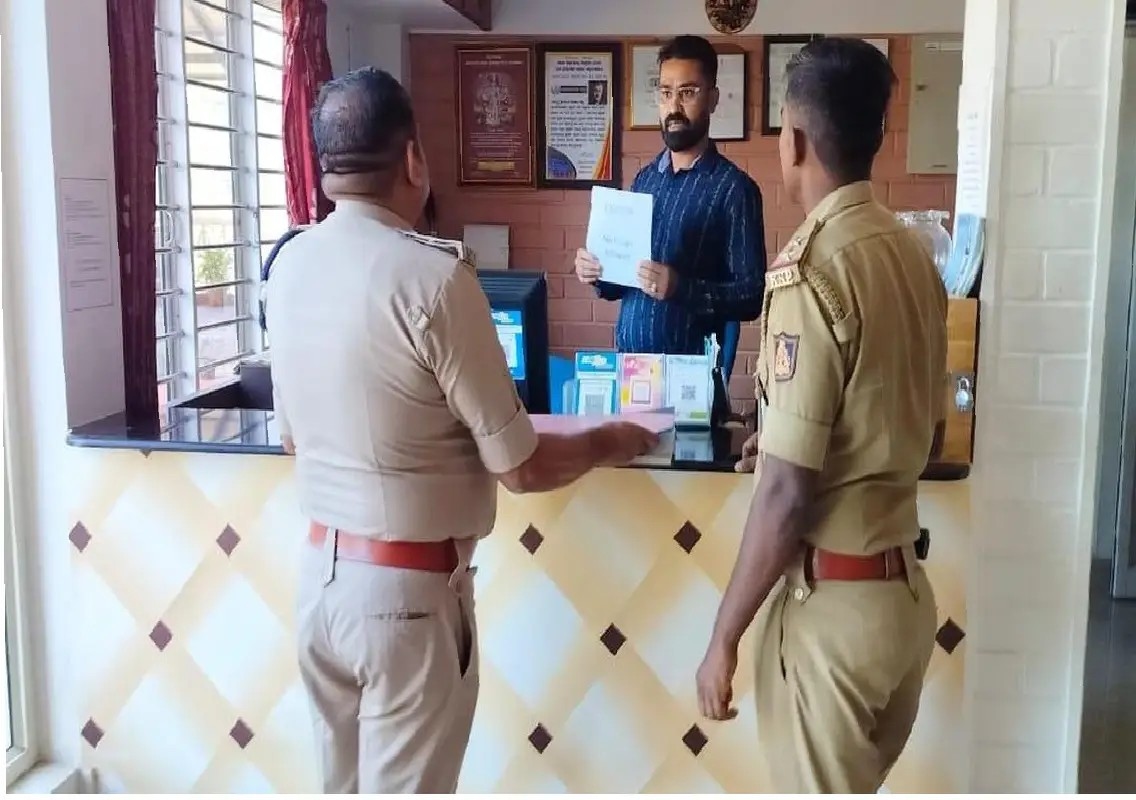


Bengaluru: The Karnataka government has introduced a comprehensive set of safety regulations for homestays and bed and breakfast (B&B) establishments following two serious crimes involving foreign tourists in Koppal and Kodagu. The new measures aim to strengthen visitor safety, improve oversight and eliminate unregistered accommodation across the state.
The Tourism Department issued the revised guidelines on Monday, stating that the incidents had exposed significant gaps in the regulation and monitoring of private tourist accommodations.
Stricter safety measures made mandatory
Under the new rules, all permanent and contractual staff employed at homestays and B&Bs must undergo police verification. Properties are also required to install CCTV cameras at reception areas and preserve footage for at least 30 days.
Operators must maintain digital or physical guest registers with identity documents, prominently display emergency helpline numbers and report details of foreign guests to the police.
To strengthen monitoring, every registered accommodation will be linked to the Karnataka Police’s Smart E-Beat system, enabling beat constables to conduct regular inspections and digitally record their visits using GPS-enabled devices.
Separate category introduced for B&Bs
The government has also created a separate regulatory category for bed and breakfast (B&B) establishments.
Under the new policy, a homestay is defined as a privately owned residence where the owner or an immediate family member lives on the premises and hosts guests. In contrast, a B&B is classified as a commercial accommodation managed by an operator, with the owner not residing at the property.
Although both categories can accommodate up to six rooms and 12 beds, they will now operate under separate guidelines.
Annual inspections and staff training
Deputy Commissioners have been directed to form joint inspection committees comprising officials from the Tourism Department, Police and other agencies to conduct random inspections and identify illegal establishments.
Hospitality staff will also receive training on gender sensitisation, the POSH Act, the POCSO Act and emergency response procedures. Reception areas must display QR codes for the Karnataka Police SOS app, with staff expected to explain its use during guest check-in.
Tourism Minister K.J. George said the reforms would preserve the authenticity of community-run homestays while creating a transparent regulatory framework for professionally managed accommodation. Industry representatives have welcomed the move, saying it will improve safety standards and help curb illegal homestays.