







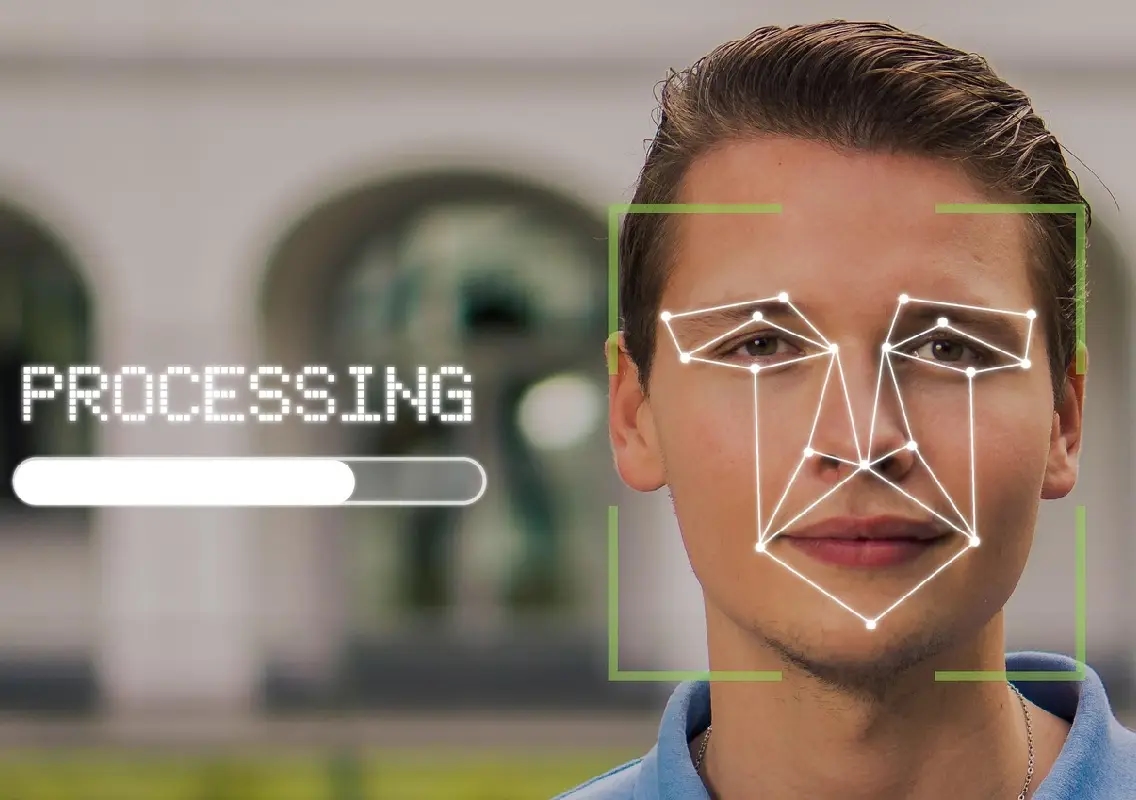


Bengaluru, Karnataka: The Department of Pre-University Education (PUE) in Karnataka is planning to implement a facial recognition-based attendance system for government PU college lecturers, aiming to improve accountability and monitoring, officials said.
Improving lecturer accountability
Bharat S, director of the PUE department, said many lecturers are assigned to multiple colleges due to staff shortages. “At present, we are not able to monitor whether they are covering additional responsibilities in a timely manner. The facial recognition system will be geo-tagged and increase accountability among lecturers,” he explained.
A similar system is already in use in the Department of Technical Education, while the Department of Collegiate Education is planning a rollout that is still underway. Bharat added, “We’ll have a meeting with the department of e-governance and hope to roll it out by the end of October.”
Pilot project for students in the pipeline
The department of school education and literacy also plans to introduce facial recognition for students in government schools. While announced in the 2025 budget, the system has not yet been rolled out.
Bharat said, “After lecturers, we hope to implement a similar system for students. The challenge is having a common device that can capture multiple students in a single shot. The Centre for e-Governance has developed an algorithm for this. We plan to start a small pilot at the Government PU College in Malleswaram 18th Cross.”
Scope and reach
The department oversees around 7,700 government PU lecturers and is also considering introducing the system in aided colleges. The initiative is part of broader efforts to improve academic reforms and student performance, with a particular focus on the II PU pass percentage.
Last year, the II PU pass percentage was 69.1%, with approximately 6.4 lakh students appearing for the exam.
Other initiatives for academic improvement
Bharat highlighted that after completing portions by December–January, a long gap exists until the March exams, during which student engagement drops. “We want to engage students during this period so that they continue to be immersed in academics,” he said.
The facial recognition initiative, along with other reforms, is expected to enhance attendance, monitor academic progress, and contribute to improving overall results in the upcoming 2026 exam season.
Conclusion
With the rollout of the facial recognition-based attendance system, Karnataka’s government aims to set a precedent in leveraging technology for transparency and accountability in education. If successful, the system could be expanded to other colleges and schools across the state, ensuring better monitoring and improved academic outcomes.