







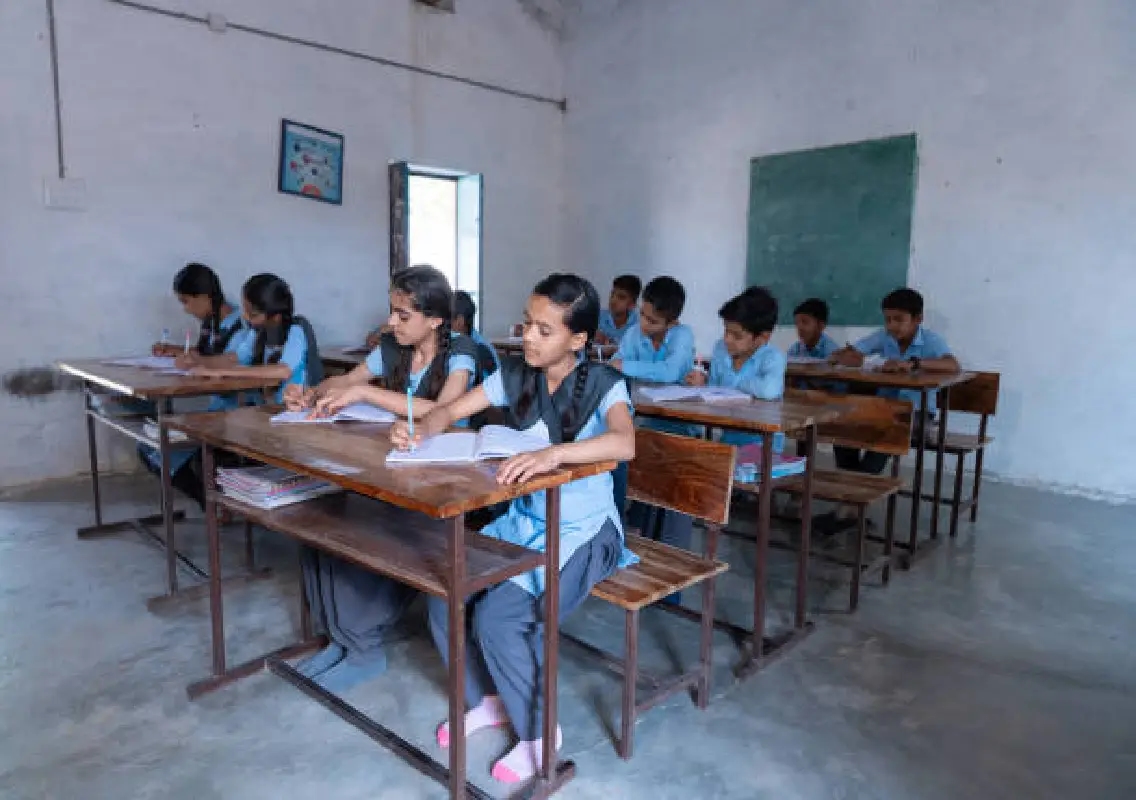


Bengaluru (Karnataka): The Department of School Education and Literacy will roll out a digital version of the new moral science textbook for students in government schools across Karnataka from November 1, marking the first phase of the state’s initiative to introduce value-based education in the curriculum.
Education Minister Madhu Bangarappa confirmed that the digital rollout is part of a phased plan to bring moral science education into the mainstream from this academic year. “We will introduce moral science education this year itself, and books will be available in digital mode. The mode will be different from what other states follow, where a book is readied and given to them. Here, we will invite public opinion,” Bangarappa said.
From next academic year, printed books will be made available, and a dedicated period will be allotted in the timetable for the subject in government schools across the state.
Curriculum to promote value-based education
The moral science curriculum has been designed to focus on ten core human values aimed at nurturing responsible, empathetic, and ethical citizens. These include:
- Empathy and compassion
- Respect for others
- Honesty and integrity
- Sustainable living and environmental awareness
- Civic responsibility
- Diversity, equity, and inclusion
- Emotional intelligence and resilience
- Scientific temper and creative imagination
- Safety
- Gender equality
Officials said the digital moral science book will be hosted on the Department of School Education’s e-learning platform, allowing students and teachers to access lessons through tablets, smartphones, and smart classrooms.
The content will include interactive modules, short videos, and real-life stories to make the lessons engaging and relatable.
Public participation invited in content creation
In a unique move, the state government will seek public opinion and expert suggestions on the draft moral science curriculum before finalising the printed version next year. The department plans to open an online feedback portal where educators, parents, and citizens can contribute ideas and perspectives.
Minister Bangarappa said the intent behind this participatory model is to ensure inclusivity and reflect the diverse moral and social values of Karnataka. “We want the people to be part of this process. This will not be a prescriptive textbook but a collaborative effort to shape responsible future citizens,” he added.
A step towards holistic learning
Education experts have welcomed the move, saying it could help address the growing need for social-emotional learning among schoolchildren. Over the past few years, educators and child psychologists have repeatedly called for moral education to be reintroduced into school curricula to help students develop character, empathy, and critical thinking.
A retired headmaster from a Bengaluru government school noted, “Children today face more social and emotional challenges. Learning values such as respect, honesty, and empathy will go a long way in shaping better individuals and a healthier society.”
Digital-first approach praised
The decision to begin with a digital version aligns with Karnataka’s broader goal of digital transformation in education, which includes smart classrooms, e-content libraries, and student tablets. Officials said the online format will allow the department to gather feedback efficiently, make content revisions, and track engagement before the printed rollout.
The digital book will be available in Kannada and English, and translations into other regional languages will be developed over time.
Implementation from next academic year
Once public feedback is reviewed, the department will finalise the curriculum and introduce printed textbooks from the 2025–26 academic year. Each school will be assigned a specific period per week for moral science, ensuring structured teaching rather than informal discussions.
Minister Bangarappa said the government’s long-term vision is to make moral science a core subject that complements academic learning and enhances overall student well-being.
“Education is not just about exams; it’s about shaping values. Through this initiative, we want to nurture a generation that is not only intelligent but also compassionate and responsible,” he said.